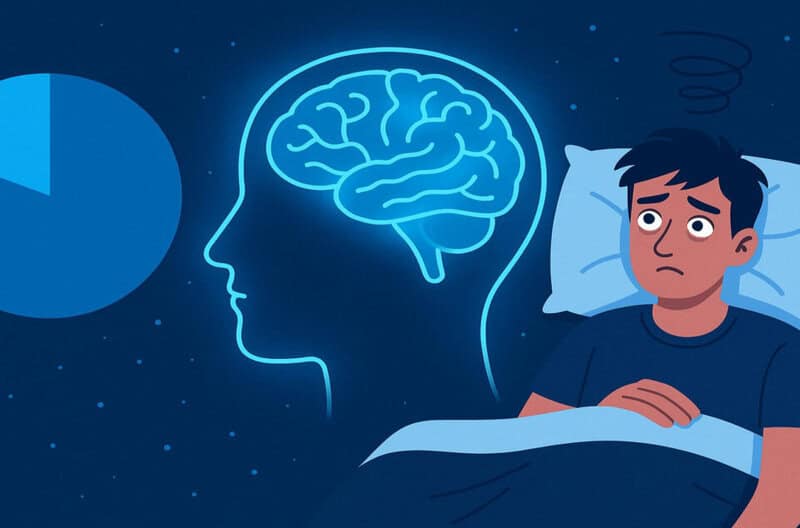
Insomnia affects an estimated 30% of adults worldwide, with chronic cases impacting up to 10% of the population. This pervasive sleep disorder disrupts the brain and nervous system, impairing cognitive function, mood, and overall health. Despite its widespread prevalence, insomnia is often under-recognized and addressed late, leading to prolonged suffering and increased risk for associated conditions. Understanding its scope and the physiological systems involved is crucial for timely and effective intervention.