According to the U.S. Census Bureau, adults aged 65 and older represented over 17% of the U.S. population in 2023, a figure projected to rise steadily. The CDC reports that 80% of seniors have at least one chronic disease, with many facing digestive and immune system changes. Nutritional deficiencies are common, further complicating health management as we age. Addressing these challenges with nutrient-rich superfoods can play a vital role in promoting optimal senior health and longevity.
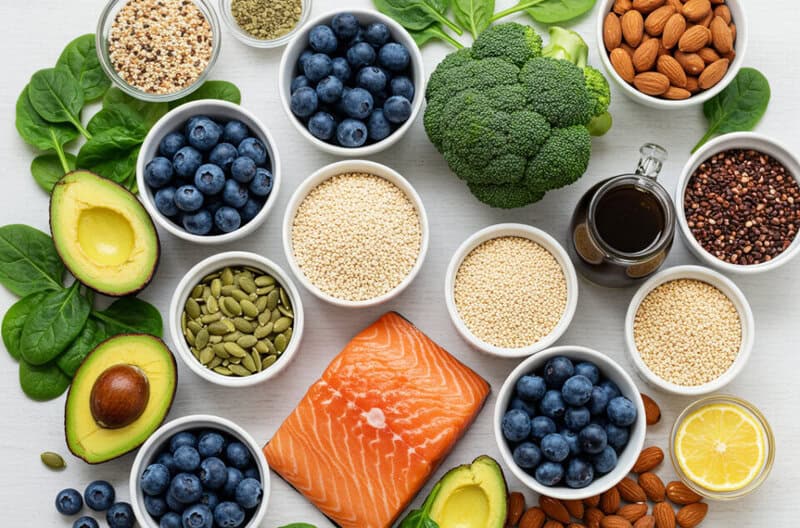
1. Blueberries

Blueberries are celebrated for their high concentration of antioxidants, particularly anthocyanins, which have been shown to support brain health and combat age-related cognitive decline. Some small studies in older adults suggest blueberry intake may modestly improve certain memory measures, but larger, longer studies are needed. Blueberries are rich in anthocyanins and other antioxidants, but evidence that they reduce oxidative damage to brain cells in people is limited.
Incorporating blueberries into a senior’s diet is simple and versatile. They can be sprinkled over oatmeal or yogurt for a nutritious breakfast, blended into smoothies, or added to salads for a burst of flavor. Blueberries can also be enjoyed as a convenient snack, fresh or frozen, throughout the day. For a creative twist, consider mixing them into whole grain muffins or pancakes. With their natural sweetness and impressive nutrient profile, blueberries are an easy and delicious way to support cognitive function and overall well-being in older adults.
2. Spinach

Spinach is a nutrient-dense leafy green that stands out for its high levels of lutein and zeaxanthin, two powerful carotenoids known to promote eye health. Lutein and zeaxanthin are associated with a lower risk of age-related macular degeneration (AMD), a leading cause of vision loss in seniors, and supplements in specific formulations have been studied for slowing advanced AMD. While kale is another excellent source of these nutrients, spinach generally contains higher levels of folate and iron, making it a more well-rounded choice for overall nutrition.
Adding spinach to daily meals is both simple and versatile. It can be tossed into salads, blended into smoothies, or lightly sautéed as a tasty side dish. Spinach also works well mixed into omelets, soups, and casseroles, allowing for easy integration into a variety of dishes. For those who prefer convenience, frozen spinach can be just as nutritious as fresh and is easily added to stews and pasta sauces. By making spinach a regular part of the diet, seniors can help protect their vision and support their broader nutritional needs.
3. Salmon

Salmon is highly regarded for its rich content of omega-3 fatty acids, particularly EPA and DHA, which are vital for maintaining heart and joint health in seniors. Omega-3 fatty acids are associated with heart health benefits, though the American Heart Association dietary fats guidance does not discuss omega-3 effects on triglycerides or joints. Some studies suggest omega-3 fats may modestly ease joint symptoms such as those of rheumatoid arthritis, though the evidence is mixed. When comparing wild and farmed salmon, wild-caught varieties generally offer higher levels of omega-3s and contain fewer contaminants, such as PCBs, according to research from the National Institutes of Health.
For optimal health benefits, the Dietary Guidelines for Americans recommend at least 8 ounces of seafood per week for adults, and fatty fish such as salmon are a good choice within that amount, as noted by the U.S. Food and Drug Administration. Baking, grilling, or poaching salmon preserves its nutrients and makes it easy to add to salads, grain bowls, or vegetable dishes. By incorporating salmon into their diets regularly, older adults can promote cardiovascular health, support joint mobility, and enjoy a delicious, nutrient-dense protein source.
4. Walnuts

Walnuts are a standout superfood for seniors due to their high content of alpha-linolenic acid (ALA), a plant-based omega-3 fatty acid that supports heart health. Walnuts are a notable plant source of ALA, but evidence that they improve memory or reduce cognitive decline in older adults is limited and should not be presented as established. They are particularly valuable for those seeking plant-based sources of omega-3s.
While walnuts offer substantial health benefits, portion control is important due to their calorie density. A recommended serving is about one ounce, or a small handful, per day. This amount delivers beneficial nutrients without contributing to excessive calorie intake. Walnuts can be easily added to oatmeal, yogurt, salads, or baked goods for a satisfying crunch and nutritional boost. For those looking to reduce sodium, choosing raw or unsalted walnuts is ideal. By including moderate portions of walnuts in the diet, seniors can support cognitive function and heart health while effectively managing calorie consumption.
5. Greek Yogurt

Greek yogurt is an excellent addition to a senior’s diet due to its probiotic content, which plays a crucial role in supporting digestive health. Probiotics are live beneficial bacteria that help maintain a healthy gut microbiome, improving digestion and boosting immunity. Some probiotic strains may help certain digestive symptoms such as IBS, but benefits vary by strain, and yogurt provides only limited probiotic amounts for most people. According to the Johns Hopkins Medicine, a balanced gut flora is especially important for older adults, whose digestive systems may become less efficient with age.
When compared to regular yogurt, Greek yogurt offers higher protein content and a creamier texture, as well as fewer carbohydrates due to its straining process. This makes it more filling and better suited for maintaining muscle mass in seniors. However, it’s important to choose varieties that are low in added sugar, as excessive sugar intake can negate the health benefits. Look for plain or unsweetened options, and consider adding fresh fruit or a drizzle of honey for natural sweetness. Incorporating Greek yogurt into breakfast bowls, smoothies, or as a snack can help seniors maintain digestive health and support overall well-being.
6. Sweet Potatoes

Sweet potatoes are a powerhouse food for seniors, rich in vitamin A (as beta-carotene) and dietary fiber. Vitamin A is essential for maintaining healthy vision, immune function, and skin integrity, while fiber supports digestive regularity and helps manage cholesterol levels. According to the Harvard T.H. Chan School of Public Health, one medium sweet potato provides more than 100% of the daily value for vitamin A, making it far superior to white potatoes, which contain negligible amounts of this nutrient.
In addition, sweet potatoes have a glycemic index and load nearly as high as white potatoes, so portion size matters for blood sugar control—an important consideration for seniors managing diabetes or metabolic syndrome. To maximize health benefits, try baking or roasting sweet potatoes with the skin on for extra fiber and nutrients. They can be mashed with a drizzle of olive oil, cubed and added to salads, or blended into soups for a creamy texture. For a blood-sugar-friendly meal, pair sweet potatoes with lean proteins and non-starchy vegetables. These versatile tubers are a delicious and nutritious choice for supporting vision, immunity, and stable energy.
7. Broccoli

Broccoli is a cruciferous vegetable celebrated for its high content of sulforaphane, a potent phytochemical known for its cellular protective properties. Sulforaphane helps activate the body’s natural detoxification enzymes and supports the reduction of inflammation. Broccoli contains sulforaphane, which has been studied for possible protective effects; human evidence on cancer risk reduction remains preliminary. This makes broccoli especially valuable for seniors seeking to maintain cellular function and resilience as they age.
When comparing raw versus cooked broccoli, studies reveal that raw broccoli contains higher levels of sulforaphane, but gentle cooking methods can still preserve much of its nutrient content. Overcooking, particularly boiling, can diminish both the vitamin C and sulforaphane levels. To maximize nutrient retention, it’s best to lightly steam or sauté broccoli for a few minutes—just until it turns bright green and remains slightly crisp. Adding a sprinkle of lemon juice or a dash of olive oil enhances both flavor and nutrient absorption. Broccoli can also be enjoyed raw in salads or with healthy dips. By preparing broccoli thoughtfully, seniors can enjoy its full spectrum of health benefits.
8. Oats

Oats are an excellent source of beta-glucan, a soluble fiber renowned for its ability to lower LDL (“bad”) cholesterol and support heart health. According to the U.S. Food and Drug Administration, consuming at least 3 grams of beta-glucan per day from oats can help reduce the risk of coronary heart disease. This makes oats a particularly valuable addition to the diets of seniors, who have an increased risk of cardiovascular issues.
When comparing steel-cut oats to instant oats, steel-cut varieties retain more of their natural texture and nutrients due to minimal processing. Instant oats, while convenient, often contain added sugars and may have a higher glycemic index, which can lead to faster spikes in blood sugar levels. To create heart-healthy breakfasts, opt for steel-cut or old-fashioned rolled oats, and cook them with water or low-fat milk. Enhance flavor and nutrition by adding fresh berries, chopped nuts, or a sprinkle of cinnamon instead of sugar. Preparing overnight oats or baking oat-based muffins are other delicious, heart-friendly ways to incorporate this superfood into a senior’s morning routine.
9. Avocado

Avocado is unique among fruits for its abundance of heart-healthy monounsaturated fats and its impressive potassium content. Monounsaturated fats help lower bad cholesterol and promote cardiovascular health, as discussed by the American Heart Association. Potassium is linked to healthy blood pressure. Compared to other fruits like apples or oranges, avocado contains significantly more healthy fats and nearly twice as much potassium as a banana, according to the U.S. Department of Agriculture.
Despite its health benefits, avocado is calorie-dense, so portion control is important, especially for seniors mindful of weight management. A recommended serving is about one-third to one-half of a medium avocado per meal. Avocado can be sliced onto whole grain toast, mashed as a spread, cubed in salads, or blended into smoothies for a creamy texture. Using avocado in place of butter or mayonnaise also reduces saturated fat intake. By enjoying avocado in moderation, seniors can take advantage of its healthy fats and potassium without compromising their weight control goals.
10. Beans

Beans are an excellent source of plant-based protein and fiber, making them ideal for seniors looking to support muscle health while also regulating blood sugar levels. The high fiber content in beans slows carbohydrate absorption and helps prevent blood sugar spikes, which is especially beneficial for those managing diabetes or prediabetes. According to the Harvard T.H. Chan School of Public Health, beans also contribute to heart health by lowering cholesterol and providing essential minerals.
Compared to animal proteins, beans are lower in saturated fat and free from cholesterol, making them a heart-smart protein alternative. They’re also rich in antioxidants and micronutrients such as magnesium, iron, and folate, which are often lacking in animal-based diets. To make beans easy to incorporate, try adding them to soups and stews, tossing them into salads, or making simple bean dips like hummus or black bean spread. Canned beans are convenient—just be sure to rinse them to reduce sodium content. By including a variety of beans such as lentils, chickpeas, and black beans, seniors can enjoy nutritious, satisfying meals that support stable blood sugar and overall health.
11. Chia Seeds

Chia seeds are a nutritional powerhouse, offering a rich source of plant-based omega-3 fatty acids, soluble fiber, and the ability to aid hydration. According to the Harvard T.H. Chan School of Public Health, chia seeds are a rich plant source of ALA, an omega-3 fat; they may contribute to heart health as part of a varied diet, though chia alone has not shown specific benefits in controlled trials. Chia seeds contain fiber that may slow digestion, but controlled trials have not shown a specific benefit for blood sugar, weight, or cardiovascular risk factors. When soaked, chia seeds absorb liquid and form a gel-like texture, helping the body retain fluids and support hydration—an important factor for older adults who may not drink enough water.
Compared to flaxseeds, chia seeds do not need to be ground to access their nutrients and are less prone to going rancid. Both seeds offer omega-3s and fiber, but chia seeds are slightly higher in calcium and easier to incorporate in their whole form. Seniors can add chia seeds to oatmeal, yogurt, or smoothies, or use them to create chia pudding by soaking them in milk or a milk alternative overnight. Sprinkling chia on salads or blending into energy bars are other simple ways to boost daily nutrition.
12. Tomatoes

Tomatoes are renowned for their high lycopene content, a powerful antioxidant. Some studies link higher lycopene intake to lower prostate cancer risk, but the evidence is inconsistent, and tomatoes should not be relied on for prevention. Research from the National Institutes of Health highlights lycopene’s potential to lower inflammation and protect against oxidative stress, making it particularly important for seniors. Lycopene may also help lower LDL cholesterol, supporting cardiovascular function.
While both raw and cooked tomatoes provide essential nutrients, cooked tomatoes may provide more absorbable lycopene. Heating may help break down the tomato’s cell walls, allowing the body to absorb more lycopene. For optimal absorption, it’s also helpful to pair tomatoes with healthy fats, such as olive oil. Seniors can easily boost lycopene intake by enjoying tomato-based soups, sauces, and stews, or by roasting cherry tomatoes with a drizzle of olive oil. Fresh tomatoes can be sliced into salads, layered on sandwiches, or mixed with avocado for a nutrient-rich salsa. By including both raw and cooked tomatoes in meals, older adults can maximize lycopene absorption and support long-term heart health; evidence that tomatoes help prevent prostate cancer is inconsistent.
13. Garlic

Garlic is famed for its immune-boosting properties, largely due to the compound allicin, which is released when garlic is chopped or crushed. Allicin possesses antimicrobial and anti-inflammatory effects that help strengthen the immune system—a particularly valuable benefit for seniors, whose natural defenses may decline with age. Some small trials suggest garlic supplements may modestly reduce cold frequency, but evidence that food garlic shortens colds or flu is weak.
When comparing fresh garlic to aged garlic, both forms offer health benefits but differ in potency and composition. Fresh garlic has the highest allicin content, while aged garlic supplements contain stable antioxidant compounds that also support heart health, though they may be less effective against acute infections. To maximize allicin production, it’s best to crush or chop fresh garlic and let it sit for about 10 minutes before cooking or eating. Garlic can be added to soups, stews, roasted vegetables, or salad dressings for both flavor and health benefits. Consuming garlic raw or lightly cooked preserves more allicin, but even cooked garlic can contribute to a healthier immune system for seniors.
14. Eggs

Eggs are an excellent source of high-quality protein, providing all nine essential amino acids necessary for muscle maintenance and repair—an important factor for seniors aiming to prevent age-related muscle loss. In addition to protein, eggs are rich in choline, a nutrient vital for brain health and memory function. According to the Harvard T.H. Chan School of Public Health, choline intake is often insufficient in older adults, making eggs a convenient way to meet daily needs and support cognitive longevity.
Compared to plant protein sources such as beans or nuts, eggs deliver a more complete amino acid profile, though plant proteins offer added fiber and phytonutrients. For those concerned about cholesterol, recent research demonstrates that moderate egg consumption—up to one egg per day—does not significantly impact heart disease risk in healthy individuals, as noted by the CDC. Seniors with specific cholesterol concerns should discuss intake with their healthcare provider. Eggs can be enjoyed boiled, poached, scrambled, or used in vegetable-rich omelets for a nutrient-dense meal. By including eggs in moderation, seniors benefit from high-quality protein and enhanced brain health.
15. Oranges

Oranges are well-known for their high vitamin C content, a vital antioxidant that fortifies the immune system and helps protect against infections and cellular damage. The Harvard T.H. Chan School of Public Health notes that seniors may have increased vitamin C requirements to maintain strong immunity and support wound healing. In addition to vitamin C, oranges provide fiber, potassium, and various phytochemicals that work synergistically to bolster overall health.
When comparing whole oranges to orange juice, whole oranges are the superior choice for seniors. Whole fruit delivers more dietary fiber, which aids digestion and helps regulate blood sugar, while juice often contains added sugars and lacks fiber, leading to quicker glucose spikes. To maximize benefits, it’s best to enjoy oranges as a snack, added to salads, or as part of a fruit salad for a refreshing dessert. Zesting orange peel into yogurt or oatmeal adds flavor and additional nutrients. Choosing whole oranges over juice ensures higher nutritional value, better blood sugar management, and a stronger immune defense for older adults.
16. Quinoa

Quinoa is a standout whole grain for seniors, offering a complete protein profile with all nine essential amino acids—something rare in plant-based foods. This makes quinoa an ideal choice for older adults seeking to maintain muscle mass and overall strength, especially for those who follow vegetarian or reduced-meat diets. According to the Harvard T.H. Chan School of Public Health, quinoa is also rich in fiber, magnesium, and antioxidants, contributing to heart and metabolic health.
Compared to white or brown rice, quinoa provides more protein and fiber per serving, and it is naturally gluten-free, making it suitable for those with gluten sensitivities or celiac disease. Quinoa’s mild, nutty flavor and light texture make it gentle on sensitive digestion. Seniors can prepare quinoa as a base for vegetable stir-fries, toss it into soups or salads, or use it in place of rice in casseroles. Cooking quinoa in low-sodium broth adds flavor without extra salt. For a gentle, easy-to-digest meal, try combining cooked quinoa with steamed vegetables and a drizzle of olive oil. This versatile grain supports balanced nutrition and digestive comfort for seniors.
17. Almonds

Almonds are a rich source of vitamin E, a powerful antioxidant that supports skin health in older adults. According to the Harvard T.H. Chan School of Public Health, vitamin E helps protect cells from oxidative stress and is important for skin health, though food sources have not been shown to reverse visible skin aging. Evidence that vitamin E slows cognitive decline is limited. Seniors often require higher antioxidant intake to protect against age-related changes, making almonds a smart addition to their diet.
When compared to other nuts such as walnuts, pecans, or cashews, almonds contain the highest amount of vitamin E per serving. They are also lower in saturated fat and provide a satisfying crunch, making them an excellent heart-healthy snack. To avoid excess calories, it is important to practice portion control—a small handful (about 1 ounce or 23 almonds) is the recommended serving. Choose raw or dry-roasted, unsalted varieties to minimize sodium and added fats. Almonds can be eaten alone, mixed into yogurt, sprinkled over oatmeal, or added to homemade trail mix. This versatile nut is a convenient way for seniors to boost their vitamin E intake and support overall health with each snack.
18. Red Bell Peppers

Red bell peppers are packed with antioxidants, especially vitamin C and vitamin A (as beta-carotene), which are crucial for immune support, skin health, and vision in seniors. According to the Harvard T.H. Chan School of Public Health, red bell peppers have about 1.5 times the vitamin C and roughly 8 to 10 times the vitamin A content of green bell peppers. This antioxidant boost helps protect against cellular damage and supports the body’s defenses against infections and inflammation.
Unlike green bell peppers, which are harvested earlier, red bell peppers are fully ripened, making them sweeter and richer in nutrients. Their bright color is a sign of higher phytonutrient content, including lycopene, which further supports heart and prostate health. Red bell peppers can be enjoyed raw—sliced into salads, paired with hummus, or added to vegetable platters for a crunchy snack. Cooking them by roasting, grilling, or sautéing enhances their natural sweetness and softens the texture, while still preserving most nutrients. For variety, try adding cooked red bell peppers to omelets, pasta dishes, or stir-fries. Whether eaten raw or cooked, red bell peppers are a delicious way for seniors to boost their antioxidant intake.
19. Turmeric

Turmeric is revered for its potent anti-inflammatory properties, primarily due to its active compound, curcumin. Curcumin has been shown to help reduce inflammation, which is linked to many chronic conditions affecting seniors, such as arthritis and cardiovascular disease. Early research on curcumin and brain health is promising but inconclusive, and curcumin should not be considered a treatment for cognitive decline.
While both turmeric and ginger are rhizomes with powerful health benefits, turmeric is especially noted for its curcumin content, whereas ginger is better known for its anti-nausea and digestive properties. Both can reduce inflammation, but turmeric offers more targeted support for joint health due to its unique compounds.
For possible better absorption of curcumin, it’s best to consume turmeric with black pepper, which contains piperine. Piperine increased curcumin absorption in a small early study, as shown in research from the National Institutes of Health; its effect at typical culinary amounts is unknown. Add turmeric to soups, stews, or smoothies, and combine it with a pinch of black pepper and a healthy fat like olive oil. Whether this improves anti-inflammatory benefit for seniors is unknown.
20. Sardines

Sardines are a nutritional powerhouse for seniors, offering high levels of omega-3 fatty acids and vitamin D—two nutrients vital for heart, brain, and bone health. According to the National Institutes of Health, omega-3s help reduce inflammation and support cardiovascular health, while vitamin D is essential for maintaining bone density and immune function, which often become concerns with aging.
When compared to tuna, sardines provide a similar omega-3 content but contain much more vitamin D per serving. Importantly, sardines have significantly lower levels of mercury and other heavy metals due to their small size and short lifespan, making them a safer seafood choice for seniors, as highlighted by the U.S. Food and Drug Administration. This is crucial for older adults who may be more sensitive to mercury’s neurological effects.
Sardines can be enjoyed straight from the can, added to salads, mashed onto whole grain toast, or mixed into pasta dishes for an easy and affordable protein boost. Opt for sardines packed in water or olive oil and rinse if needed to reduce sodium content. These simple preparations help seniors harness the full benefit of this nutrient-dense fish.
21. Apples

Apples are a popular and accessible fruit rich in dietary fiber and antioxidants, both of which play significant roles in promoting digestive and cardiovascular health for seniors. According to the Harvard T.H. Chan School of Public Health, the soluble fiber in apples, called pectin, helps lower cholesterol levels and supports regular digestion. Apples also provide polyphenols—powerful antioxidants that protect the body’s cells from oxidative stress and inflammation, contributing to reduced risk of chronic diseases.
When comparing apple varieties, red apples such as Fuji and Gala tend to have higher antioxidant content, while tart green varieties like Granny Smith are lower in sugar and calories. For maximum health benefit, it’s best to eat apples with the skin on, as this is where much of the fiber and antioxidants are concentrated. Thoroughly wash apples before eating to remove any pesticide residues, or opt for organic varieties when possible. Apples can be sliced into salads, paired with a handful of nuts for a balanced snack, or baked with cinnamon for a healthy dessert. Including apples with their skin in daily meals helps seniors enjoy the full spectrum of digestive and antioxidant benefits.
22. Kefir

Kefir is a fermented dairy beverage containing a diverse mix of bacteria and yeasts. These probiotics may support gut health by enhancing the diversity and balance of the gut microbiome, which is particularly important for seniors facing age-related changes in digestion. Some studies suggest benefits for digestion, but evidence for immune effects in people is limited.
When compared to yogurt, kefir contains a wider variety and greater number of probiotic strains, as well as beneficial yeasts, which can further aid digestion and nutrient absorption. Its thinner, drinkable consistency also makes it easy to consume for those with chewing or swallowing difficulties. For seniors with lactose intolerance, kefir is often better tolerated than regular milk or yogurt because the fermentation process significantly reduces lactose content. There are also non-dairy kefir options made from coconut, almond, or soy milk for those avoiding dairy entirely. Seniors can enjoy kefir plain, blended into smoothies, or poured over fruit and granola. Incorporating kefir into the diet is a delicious way to support gut and overall health.
23. Pumpkin Seeds

Pumpkin seeds, also known as pepitas, are a nutrient-dense snack packed with magnesium and zinc—minerals essential for bone strength and immune function in seniors. Magnesium helps support bone density and prevent osteoporosis, while zinc is crucial for maintaining a robust immune system and aiding in wound healing. According to the Harvard T.H. Chan School of Public Health, pumpkin seeds are one of the best plant sources of both minerals, making them especially valuable for older adults.
Compared to sunflower seeds, pumpkin seeds contain more magnesium and zinc per serving, as well as higher levels of protein and beneficial fats. Sunflower seeds are a good source of vitamin E, but pumpkin seeds offer a broader spectrum of minerals. For a nutritious snack, it’s best to roast pumpkin seeds at low temperatures (around 300°F/150°C) for 10-15 minutes, just until they’re golden and fragrant. Lightly tossing them with olive oil and your choice of herbs or spices adds flavor without excessive sodium. Sprinkle roasted pumpkin seeds on salads, yogurt, or oatmeal, or simply enjoy them on their own. This simple preparation helps seniors maximize mineral intake for strong bones and a resilient immune system.
24. Brussels Sprouts

Brussels sprouts are a cruciferous vegetable rich in glucosinolates, phytochemicals studied for possible protective effects. When digested, glucosinolates break down into biologically active compounds, as described by the National Institutes of Health. Evidence that they support liver detoxification or protect against cancer in people is limited. Including Brussels sprouts in the diet is a nutritious choice for seniors.
Compared to broccoli, Brussels sprouts offer a similar array of nutrients, including fiber, vitamin C, and glucosinolates, but in slightly higher concentrations per serving due to their dense, compact form. While both vegetables contain glucosinolates studied for possible protective effects, Brussels sprouts provide a unique flavor and texture that can add variety to meals. To reduce their natural bitterness, try roasting Brussels sprouts with a bit of olive oil and a sprinkle of sea salt at high heat until caramelized. Adding a splash of balsamic vinegar, lemon juice, or a touch of honey can also help mellow the taste. Slicing them in half before cooking ensures even browning and a more pleasant, nutty flavor. These methods make Brussels sprouts a delicious addition to a senior’s superfood rotation.
25. Lentils

Lentils are a nutritional powerhouse for seniors, particularly valued for their high iron and folate content—two nutrients essential for healthy blood and the prevention of anemia. Iron helps transport oxygen throughout the body, while folate (vitamin B9) is crucial for red blood cell production and cognitive function. According to the Harvard T.H. Chan School of Public Health, lentils are one of the best plant-based sources of both nutrients, making them an excellent choice for older adults who may be at increased risk for deficiencies.
Compared to other legumes such as chickpeas or black beans, lentils cook faster, are easier to digest, and provide a higher concentration of folate per serving. They are also lower in fat and very versatile in the kitchen. Lentils can be used as a protein-rich base for hearty soups and stews, or mixed into salads and grain bowls. Popular preparations for seniors include classic lentil soup with carrots and celery, or Mediterranean-style stews with tomatoes and spinach. Their mild flavor and soft texture make lentils easy to incorporate into many dishes, offering a simple way to support blood health and overall vitality.
26. Kiwi

Kiwi is a vibrant, nutrient-packed fruit that stands out for its exceptionally high vitamin C content and unique digestive enzymes. A single kiwi provides more than 100% of the recommended daily value for vitamin C, an antioxidant crucial for immune support, skin health, and wound healing. According to the Harvard T.H. Chan School of Public Health, kiwi also contains the enzyme actinidin, which may help break down proteins and promotes healthy digestion—making it especially beneficial for seniors who may experience sluggish digestion.
When compared to citrus fruits like oranges, kiwi offers similar or even higher levels of vitamin C per serving, along with additional potassium, fiber, and vitamin K. Its digestive enzyme content also sets it apart from most other fruits, which may aid protein digestion, though evidence that it relieves bloating or discomfort after meals is limited. However, it’s important to note that some individuals may be allergic to kiwi, particularly those with allergies to latex or certain pollens. Symptoms can include itching or swelling of the mouth and should be discussed with a healthcare provider if experienced. For most seniors, enjoying kiwi peeled and sliced on its own, added to fruit salads, or blended into smoothies offers a delicious way to boost immunity and digestion.
27. Mushrooms

Mushrooms are a valuable addition to a senior’s diet due to their ability to modulate immune function. Certain varieties, such as maitake and shiitake, are especially rich in beta-glucans and other bioactive compounds that help regulate immune responses and support the body’s natural defenses. Mushrooms exposed to ultraviolet light, such as some labeled as high in vitamin D, can be a source of vitamin D, while most mushrooms contain very little. Vitamin D is essential for bone health and immune regulation, factors that become increasingly important with age.
While all edible mushrooms offer nutrients and antioxidants, different types provide unique benefits. For example, white button and cremini mushrooms are widely available and low in calories, while portobello mushrooms are higher in potassium. Exotic varieties like shiitake, maitake, and oyster contain additional immune-supportive polysaccharides. To ensure safety, always purchase mushrooms from reputable sources and avoid wild foraging, as some wild mushrooms are toxic. Wash mushrooms gently to remove dirt and cook them thoroughly to enhance digestibility and nutrient absorption. Sautéing, roasting, or adding mushrooms to soups and omelets are easy ways for seniors to enjoy their flavor and health benefits while supporting immune health.
28. Brown Rice

Brown rice is a whole grain that provides an excellent source of dietary fiber and B vitamins, both of which are essential for energy production and digestive health in seniors. The fiber in brown rice helps regulate bowel movements, lower cholesterol, and support stable blood sugar levels. According to the Harvard T.H. Chan School of Public Health, brown rice retains its bran and germ layers, which means it contains more fiber, magnesium, and B vitamins (such as niacin and thiamin) than white rice.
In contrast, white rice is stripped of these nutrient-rich layers during processing, resulting in lower fiber and vitamin content and a higher glycemic index, which can cause faster spikes in blood sugar. For seniors, choosing brown rice over white rice supports heart health and more sustained energy levels. To make brown rice easier to digest, consider soaking it in water for several hours or overnight before cooking. This process softens the grains, reduces cooking time, and may help break down some of the naturally occurring compounds that can hinder mineral absorption. Brown rice can be used in grain bowls, stir-fries, or as a hearty side dish, offering a wholesome base for nutritious meals.
29. Asparagus

Asparagus is a nutrient-rich green vegetable prized for its high folate content and natural prebiotics, making it particularly beneficial for seniors. Folate, a B vitamin, is essential for healthy cell function, red blood cell formation, and cognitive support, while prebiotics help nourish beneficial gut bacteria, promoting digestive health and enhanced immune response. According to the Harvard T.H. Chan School of Public Health, asparagus stands out among green vegetables for its significant levels of both nutrients.
When compared to other green vegetables like green beans or broccoli, asparagus offers more folate per serving and unique prebiotic fibers such as inulin, which acts as food for probiotics and supports a balanced gut microbiome. Its tender stalks and mild flavor make it easy to enjoy in a variety of dishes. For seniors, asparagus can be simply steamed, roasted with olive oil and lemon, or grilled for a smoky taste. It can also be chopped and added to omelets, frittatas, or blended into soups for a creamy texture. These preparation methods retain the vegetable’s nutrients while offering appealing textures and flavors suited to older adults’ preferences and dietary needs.
30. Dark Chocolate

Dark chocolate is celebrated for its rich concentration of flavonoids, a group of plant compounds known to improve vascular health by enhancing blood flow and reducing blood pressure. Flavonoids in dark chocolate have been studied for possible effects on blood flow and heart health, and evidence for cognitive benefit in older adults is preliminary. For background, see the Harvard T.H. Chan School of Public Health.
Compared to milk chocolate, dark chocolate contains higher levels of cocoa solids and significantly more flavonoids while being lower in added sugars and unhealthy fats. Milk chocolate, on the other hand, is often diluted with milk solids and sugar, reducing its potential health benefits. To maximize the positive effects, choose dark chocolate with at least 70% cocoa content. However, portion control is key, as even dark chocolate contains sugar and calories that can add up quickly. A 1-ounce (28-gram) serving a few times per week is a reasonable guideline for most seniors. Enjoy dark chocolate on its own, grated over fruit, or melted into a warm beverage for a satisfying treat that supports heart and brain health while maintaining sugar control.
31. Seaweed

Seaweed is a mineral-rich superfood that stands out for its naturally high iodine content, which is essential for proper thyroid function and metabolic health. The thyroid gland requires iodine to produce hormones that regulate energy levels, body temperature, and cognitive function—areas that often need extra support in seniors. According to the Harvard T.H. Chan School of Public Health, seaweed is also an excellent source of calcium, magnesium, iron, and unique antioxidants, making it an excellent addition to a nutrient-dense diet.
There are several types of edible seaweed, each offering different nutrient profiles. Nori, commonly used in sushi rolls, is lower in iodine but high in vitamin B12. Kombu and wakame, often used in soups and salads, provide more iodine and minerals per serving. While seaweed offers many benefits, it is important to consume it in moderation to avoid excessive iodine intake, which can disrupt thyroid function. The National Institutes of Health recommends that adults aim for about 150 micrograms of iodine daily. Incorporate seaweed by sprinkling dried flakes on salads, adding nori strips to snacks, or enjoying miso soup with wakame for a mineral boost and healthy thyroid support.
32. Beets

Beets are highly valued for their natural nitrate content, which has been shown to help lower blood pressure and improve circulation—crucial benefits for seniors at risk of cardiovascular disease. Dietary nitrates are converted into nitric oxide in the body, relaxing blood vessels and supporting healthy blood flow. Research published by the National Institutes of Health indicates that regular beet consumption can result in modest but meaningful reductions in systolic blood pressure.
When comparing fresh and pickled beets, both forms retain beneficial nitrates and antioxidants such as betalains, which support anti-inflammatory and detoxification processes. However, pickled beets can be higher in added sugars and sodium, which may be a concern for seniors managing blood sugar or hypertension. For maximum benefit, opt for fresh, roasted, or steamed beets and limit pickled varieties to occasional enjoyment. Because beets are naturally high in sugar relative to other vegetables, portion control is important—about half a cup per serving is a healthy guideline. Try adding sliced beets to salads, blending them into smoothies, or roasting with olive oil for a sweet, earthy flavor that supports cardiovascular health without excess sugar.
33. Cauliflower

Cauliflower is a versatile cruciferous vegetable rich in vitamin C and dietary fiber, both of which are essential for immune support and digestive health in seniors. According to the Harvard T.H. Chan School of Public Health, a single cup of cauliflower provides over half the recommended daily value of vitamin C, which aids in collagen production and cellular repair, while its fiber content helps regulate bowel movements and maintain a healthy gut.
Compared to broccoli, cauliflower contains a similar array of nutrients but is typically lower in vitamin K and certain phytonutrients. However, cauliflower’s mild flavor and texture make it an excellent low-carb substitute for grains and starches, which is especially beneficial for seniors managing blood sugar or weight. Cauliflower can be steamed, roasted, or mashed as a replacement for potatoes, or pulsed in a food processor to create “rice” that can be used in stir-fries and salads. It can also be incorporated into pizza crusts or blended into soups for a creamy, nutrient-dense base. These creative applications allow seniors to enjoy the health benefits of cauliflower while reducing carbohydrate intake and supporting overall wellness.
34. Edamame

Edamame, or young soybeans, are an excellent source of plant-based protein and isoflavones—compounds linked to heart health and hormonal balance. Each cup of edamame provides about 17 grams of protein, making it ideal for seniors looking to support muscle mass without relying on animal products. Isoflavones in soybeans have antioxidant properties and may help reduce the risk of cardiovascular disease and certain cancers, according to the Harvard T.H. Chan School of Public Health.
Compared to other soy foods such as tofu or tempeh, edamame is less processed and retains more fiber and micronutrients, including folate, vitamin K, and magnesium. Its whole form also makes it easy to portion and enjoy as a snack or salad ingredient. When considering soy safety, the U.S. Food and Drug Administration notes that moderate soy consumption is safe for most seniors and may even offer protective health benefits. For best results, stick to whole or minimally processed soy products like edamame. Seniors can enjoy edamame steamed and lightly salted, tossed in salads, or blended into dips for a nutritious, protein-rich snack that supports heart and bone health.
35. Strawberries

Strawberries are an excellent source of vitamin C and polyphenols, both of which play significant roles in supporting immune function, skin health, and reducing inflammation. According to the Harvard T.H. Chan School of Public Health, just one cup of strawberries provides more than 100% of the recommended daily intake for vitamin C, making them an immune-boosting superfood. The polyphenols found in strawberries, such as ellagic acid and flavonoids, offer antioxidant effects that may help lower the risk of chronic diseases and protect brain health as we age.
When compared to other berries like blueberries or raspberries, strawberries are lower in calories and sugar, while still delivering a robust antioxidant punch. However, strawberries are among the fruits most likely to contain pesticide residues. To minimize exposure, consider purchasing organic strawberries or washing conventional strawberries thoroughly under running water. Soaking them in a solution of water and baking soda for a few minutes can also help reduce residues, as suggested by the Environmental Working Group. Enjoy strawberries sliced over oatmeal, blended into smoothies, or eaten fresh as a sweet, nutrient-rich snack for better overall senior health.
36. Flaxseeds

Flaxseeds are a powerhouse of nutrition, offering high levels of lignans—plant compounds with antioxidant and phytoestrogen properties—and alpha-linolenic acid (ALA), an essential omega-3 fatty acid. According to the Harvard T.H. Chan School of Public Health, lignans may help protect against certain cancers and support cardiovascular health, while ALA promotes heart and brain function in seniors. Regular flaxseed consumption can also help regulate cholesterol and support digestive health due to its soluble and insoluble fiber content.
When comparing ground to whole flaxseeds, ground flaxseeds are superior in terms of nutrient absorption. The tough outer shell of whole flaxseeds often passes through the digestive system intact, preventing the body from accessing their beneficial components. For best results, purchase whole flaxseeds and grind them at home, or choose pre-ground flaxseed for convenience. Flaxseeds can be easily added to baked goods such as muffins, breads, and pancakes, or sprinkled over oatmeal, yogurt, or salads. Mixing ground flaxseeds into smoothies is another simple way to enhance nutrition. By including ground flaxseeds in their diet, seniors can boost their intake of omega-3s, fiber, and lignans for comprehensive wellness support.
37. Pomegranate

Pomegranate is renowned for its rich antioxidant content, especially punicalagins and anthocyanins, which are linked to reduced inflammation and improved heart health. Small studies suggest pomegranate may modestly lower blood pressure, but evidence that it reduces cholesterol buildup or protects arterial walls in people is limited, making it of interest for seniors concerned about cardiovascular disease.
When comparing pomegranate juice to seeds (arils), whole seeds offer the added benefit of fiber, which helps regulate blood sugar and supports digestive health. Juice, while concentrated with antioxidants, is often stripped of fiber and can be high in natural sugars, leading to a rapid rise in blood glucose levels. For this reason, seniors should enjoy pomegranate juice in moderation and opt for unsweetened varieties when possible. Eating the seeds whole—sprinkled on salads, mixed into yogurt, or enjoyed as a snack—provides both the antioxidant and fiber benefits without excess sugar. For those managing diabetes or watching sugar intake, limiting juice to a small serving or prioritizing whole seeds will help maximize heart health while keeping sugar consumption in check.
38. Barley

Barley is a whole grain celebrated for its high soluble fiber content, particularly beta-glucan, which can help lower cholesterol and support heart health in seniors. According to the Harvard T.H. Chan School of Public Health, consuming barley regularly may reduce total and LDL cholesterol, promote digestive health, and assist in blood sugar management—key factors for aging adults concerned about cardiovascular and metabolic disease.
When compared to oats, barley contains similar amounts of beta-glucan and provides a slightly chewier texture, making it a hearty addition to meals. While oats are often enjoyed at breakfast, barley is more versatile in savory dishes, holding its shape well when cooked. To incorporate barley into a senior’s diet, try adding it to soups and stews for extra bulk and nutrition, or use it as a base for grain salads tossed with chopped vegetables and vinaigrette. Pearl barley cooks faster than hulled barley, though hulled barley retains more nutrients due to less processing. For easier digestion, soak barley before cooking. By including barley in soups, salads, or as a side dish, seniors can boost their fiber intake and support cholesterol management naturally.
39. Peas

Peas are a vibrant, nutrient-rich legume that provide a valuable combination of plant protein and vitamin K, both important for maintaining muscle mass and supporting bone health in seniors. According to the Harvard T.H. Chan School of Public Health, peas supply about 8 grams of protein and more than 20% of the recommended daily value for vitamin K per cup, making them a robust addition to a balanced diet. Vitamin K plays a crucial role in blood clotting and bone mineralization. Peas are one dietary source of vitamin K, but evidence that peas reduce the risk of osteoporosis in older adults is not established.
While both peas and beans are excellent sources of plant-based protein and fiber, peas generally have a milder flavor, softer texture, and cook more quickly, making them especially convenient for quick meals and snacks. Fresh, frozen, or even canned peas are easy to add to soups, stews, casseroles, or pasta dishes. For a simple side, peas can be steamed and tossed with a bit of olive oil, lemon, and herbs. They also make a colorful addition to salads and grain bowls or can be pureed into dips and spreads. Including peas in daily meals is an effortless way for seniors to support bone health, muscle maintenance, and overall nutrition.
40. Carrots

Carrots are celebrated for their high beta-carotene content, a precursor to vitamin A that is crucial for maintaining healthy vision, immune function, and skin integrity—areas of particular concern for seniors. According to the Harvard T.H. Chan School of Public Health, beta-carotene acts as a powerful antioxidant, helping protect eye tissues from oxidative damage, but evidence that carrots reduce the risk of age-related macular degeneration is limited.
While both raw and cooked carrots are nutritious, cooking carrots can actually increase the bioavailability of beta-carotene, making it easier for the body to absorb this vital nutrient. Lightly steaming, roasting, or sautéing carrots with a small amount of healthy fat, such as olive oil, further boosts absorption since beta-carotene is fat-soluble. For variety and maximum benefit, try adding shredded carrots to salads, blending cooked carrots into soups, or roasting carrot sticks with herbs for a sweet and savory side dish. Pureeing cooked carrots as a base for sauces or dips is another senior-friendly option. These preparation methods ensure that seniors gain the full vision-supporting and immune-boosting benefits of this colorful superfood.
41. Berries (Mixed)

Mixed berries—including strawberries, blueberries, raspberries, and blackberries—offer a unique synergy of antioxidants that can provide greater health benefits than consuming any single berry type alone. Each berry variety contains its own blend of polyphenols, vitamins, and flavonoids, such as anthocyanins, ellagic acid, and vitamin C, which work together to reduce inflammation, support heart health, and protect brain function. Research highlighted by the Harvard T.H. Chan School of Public Health suggests that a diverse intake of berries can maximize antioxidant activity and may lower the risk of chronic diseases associated with aging.
Compared to consuming a single berry, eating mixed berries provides a broader spectrum of antioxidants and nutrients, delivering a more comprehensive protective effect against oxidative stress. Seniors can reap these benefits by rotating berry varieties or choosing pre-mixed fresh or frozen berry blends. For the best flavor and nutritional value, shop for berries in season at local farmers’ markets or grocery stores, as seasonal berries are typically fresher and higher in antioxidants. When out of season, frozen berries offer a convenient and equally nutritious alternative. Add mixed berries to yogurt, oatmeal, or smoothies for a colorful, antioxidant-rich boost to any meal.
42. Sunflower Seeds

Sunflower seeds are a nutrient-dense snack rich in vitamin E and selenium, both essential for protecting cells from oxidative stress and supporting immune health in seniors. According to the Harvard T.H. Chan School of Public Health, vitamin E acts as a powerful antioxidant, while selenium plays a role in thyroid function and DNA synthesis. Together, these nutrients can help reduce inflammation and support overall vitality as we age.
When compared to pumpkin seeds, sunflower seeds provide significantly more vitamin E and are also a good source of B vitamins and healthy fats. Pumpkin seeds, on the other hand, are higher in magnesium and zinc. Including both seed types in the diet can deliver a broader range of minerals and antioxidants. Sunflower seeds are easy to sprinkle on salads, stir into oatmeal, or mix into homemade granola. However, it’s important for seniors to be aware of potential seed allergies, which can cause reactions such as itching, swelling, or digestive discomfort. Those with known seed allergies should avoid sunflower seeds or consult a healthcare provider before introducing them. For most seniors, moderate intake of unsalted, roasted sunflower seeds offers a simple and tasty way to boost vitamin E and selenium intake.
43. Green Tea

Green tea is revered for its abundance of catechins, particularly epigallocatechin gallate (EGCG), which have been shown to support both brain and heart health. According to the Harvard T.H. Chan School of Public Health, these antioxidants help reduce inflammation, protect blood vessels, and may lower the risk of cognitive decline and cardiovascular disease—concerns that are especially important for seniors. Some studies link green tea intake to modest cognitive effects, but evidence is mixed and not conclusive.
Compared to black tea, green tea undergoes minimal oxidation during processing, preserving higher levels of catechins and resulting in a milder flavor and lighter color. Black tea, while still beneficial, contains more theaflavins and tends to have slightly less antioxidant power. For optimal health benefits, brew green tea by steeping in hot (not boiling) water—ideally 160-180°F (70-80°C)—for two to three minutes. Overheating or over-steeping can cause bitterness and degrade some antioxidants. Enjoy green tea plain or with a squeeze of lemon to enhance flavor and boost antioxidant absorption. Seniors can incorporate one to three cups per day as a refreshing and health-promoting beverage for both mind and body.
44. Yogurt (Plain)

Plain yogurt is a highly nutritious food for seniors, offering a robust source of calcium and beneficial probiotics. Calcium is essential for maintaining strong bones and preventing osteoporosis, a common concern with aging, while probiotics support a healthy gut microbiome and enhance digestive and immune function. According to the Harvard T.H. Chan School of Public Health, regular yogurt consumption can help seniors meet their daily calcium requirements, while evidence that it reduces the risk of gastrointestinal issues is limited.
When comparing plain to flavored yogurts, plain varieties are significantly lower in added sugars and artificial ingredients, making them a healthier choice for blood sugar management. Flavored yogurts often contain high amounts of sweeteners that can negate health benefits, especially for seniors managing diabetes or weight. For those with lactose sensitivity, many plain yogurts—especially those labeled “live and active cultures”—are easier to digest because the probiotics help break down lactose. Lactose-free or plant-based yogurts made from almond, coconut, or soy are also available and can provide similar probiotic benefits, though it’s important to check for added calcium and live cultures. Enjoy plain yogurt with fresh fruit, a drizzle of honey, or a sprinkle of seeds for a balanced, senior-friendly snack.
45. Garlic (Black)

Black garlic is aged raw garlic that undergoes a fermentation-like process, resulting in a sweet, mild flavor and a soft, chewy texture. This aging process transforms the allicin found in fresh garlic into unique antioxidant compounds such as S-allyl-cysteine (SAC), which are believed to have enhanced bioavailability and may offer additional health benefits. According to the National Institutes of Health, black garlic exhibits stronger antioxidant activity than raw garlic and may help reduce inflammation, support cardiovascular health, and protect against oxidative stress—key concerns for seniors.
While both raw and black garlic support immune function and heart health, black garlic is gentler on the stomach and less likely to cause the strong aftertaste or digestive discomfort sometimes associated with raw garlic. The mellow, umami-rich flavor of black garlic makes it a versatile ingredient in both sweet and savory dishes. Seniors can incorporate black garlic into salad dressings, mashed potatoes, roasted vegetables, or spread it on whole grain toast as a flavorful, nutrient-rich topping. Because of its concentrated flavor and health-promoting properties, black garlic can be used in smaller amounts to enhance meals while reaping the unique benefits of its aging process.
46. Watermelon

Watermelon is an ideal fruit for seniors, especially during warmer months, due to its high water content—over 90%—which helps promote hydration and maintain fluid balance. Proper hydration is vital for older adults, as the sensation of thirst often diminishes with age. According to the Harvard T.H. Chan School of Public Health, watermelon is also a significant source of lycopene, a potent antioxidant linked to reduced risk of heart disease and certain cancers.
Compared to other melons such as cantaloupe or honeydew, watermelon provides more lycopene and slightly fewer calories per serving. While all melons are hydrating and low in fat, watermelon’s unique combination of water, vitamins A and C, and lycopene makes it a standout choice for supporting skin, heart, and immune health. Seniors should be mindful of portion sizes, as watermelon is high in natural sugars and large servings can lead to blood sugar spikes. A sensible portion is about one cup of cubed watermelon at a time. Enjoy watermelon chilled on its own, added to fruit salads, or blended into refreshing smoothies for a delicious, hydrating treat that also supports antioxidant intake.
47. Mackerel

Mackerel is an oily fish highly regarded for its abundance of omega-3 fatty acids and vitamin B12, both essential for supporting heart and brain health in seniors. According to the National Institutes of Health, omega-3s help lower inflammation, reduce triglyceride levels, and support cognitive function, while vitamin B12 is vital for nerve health and the prevention of anemia, which can be a concern with aging.
When compared to sardines, mackerel offers a similar omega-3 content but often provides even higher levels of vitamin B12 per serving. Both fish are excellent sources of protein and other nutrients, but mackerel’s rich, flavorful flesh makes it a popular choice in many cuisines. However, it’s important to note that king mackerel has the highest mercury levels and should be avoided, as it may pose health risks for seniors if consumed frequently. To minimize mercury exposure, choose Atlantic or Pacific mackerel, which are lower in mercury, and follow the U.S. Food and Drug Administration’s guidelines on weekly fish servings. This provides optimal heart and brain support while ensuring safety.
48. Peaches

Peaches are a delicious and nutritious fruit rich in vitamin C and dietary fiber, both of which are essential for immune function, skin health, and digestive regularity in seniors. According to the Harvard T.H. Chan School of Public Health, the vitamin C in peaches helps boost the body’s defenses against infection and supports collagen production, while the fiber aids in maintaining healthy bowel movements and may help lower cholesterol levels.
When comparing fresh and canned peaches, fresh peaches generally offer higher levels of vitamin C and retain more natural fiber, while canned peaches—especially those packed in syrup—can be significantly higher in added sugars and lower in nutrients due to the canning process. If canned peaches are chosen for convenience, opt for varieties packed in water or 100% fruit juice with no added sugar. To maintain nutrition, store fresh peaches at room temperature until ripe, then refrigerate to slow spoilage. Avoid washing peaches until just before eating to prevent mold and nutrient loss. Enjoy peaches sliced over yogurt, blended into smoothies, or eaten as a juicy snack to take full advantage of their immune-boosting and digestive benefits.
49. Grapes

Grapes are celebrated for their high content of resveratrol, a natural polyphenol that has been linked to improved vascular health and protection against age-related diseases. Grapes contain resveratrol, but evidence that eating grapes lowers the risk of heart disease or cognitive decline is limited, since resveratrol’s effects in people are inconsistent and food-level amounts are far lower than those studied.
When comparing red and green grapes, red and purple varieties contain significantly more resveratrol and anthocyanins, the antioxidants responsible for their deep color and additional health benefits. Green grapes, while still hydrating and nutritious, have lower levels of these antioxidants. To enjoy grapes without added sugar, eat them fresh as a snack, add them to salads for a burst of sweetness, or freeze them for a refreshing summer treat. Roasting grapes alongside vegetables or adding them to grain bowls can create a naturally sweet and savory dish. Since grapes are naturally sweet, there is no need to add sugar or syrup. For maximum benefit, consume grapes with their skin, where much of the antioxidant content is concentrated, and opt for organic when possible to reduce pesticide exposure.
50. Garlic (Roasted)

Roasted garlic is a flavorful and health-promoting addition to a senior’s diet, offering notable benefits for digestion and immune function. While roasting garlic mellows its pungency and creates a sweet, creamy texture, it retains many of the beneficial sulfur compounds—such as allicin derivatives—which have been linked to antimicrobial and anti-inflammatory effects. According to the National Institutes of Health, these compounds can help strengthen the immune system and may support healthy gut flora, making roasted garlic especially valuable for seniors seeking gentle digestive support.
Compared to raw garlic, roasted garlic is easier to digest and less likely to cause stomach discomfort or strong aftertaste. This makes it a great option for those with sensitive digestive systems or who dislike the sharpness of raw garlic. To prepare, cut the top off a whole garlic bulb, drizzle with olive oil, wrap in foil, and roast at 400°F (200°C) for 30-40 minutes until soft and caramelized. The cloves can be squeezed out and spread on whole grain bread, mixed into mashed potatoes, stirred into soups, or blended into salad dressings. These methods enhance both the flavor and health benefits of garlic, making it an easy addition to daily meals.
Conclusion

Incorporating a wide variety of superfoods into daily meals is a powerful strategy for supporting healthy aging, improving immunity, and reducing the risk of chronic disease. As nutritional needs evolve with age, making intentional dietary changes becomes increasingly urgent for seniors to maintain vitality and independence. Simple, practical steps—such as gradually introducing new superfoods, seeking guidance from a registered dietitian, or scheduling a dietary review with a healthcare provider—can make a significant impact on overall well-being. For more tailored advice, visit the Academy of Nutrition and Dietetics to find a qualified nutrition expert in your area and begin your journey toward healthier, more vibrant living today.
Disclaimer

This article is for informational purposes only and does not constitute medical advice. Always consult your doctor or a registered dietitian before making significant changes to your diet or health regimen. For more information, visit the CDC Nutrition page.
Disclaimer
The information provided in this article is for general informational purposes only. While we strive to keep the information up-to-date and correct, we make no representations or warranties of any kind, express or implied, about the completeness, accuracy, reliability, suitability, or availability with respect to the article or the information, products, services, or related graphics contained in the article for any purpose. Any reliance you place on such information is therefore strictly at your own risk.
In no event will we be liable for any loss or damage including without limitation, indirect or consequential loss or damage, or any loss or damage whatsoever arising from loss of data or profits arising out of, or in connection with, the use of this article.
Through this article you are able to link to other websites which are not under our control. We have no control over the nature, content, and availability of those sites. The inclusion of any links does not necessarily imply a recommendation or endorse the views expressed within them.
Every effort is made to keep the article up and running smoothly. However, we take no responsibility for, and will not be liable for, the article being temporarily unavailable due to technical issues beyond our control.
.article-content-img img { width: 100% }About the author
Keep reading

15 Diet Habits Linked to Memory Loss and Dementia

15 Ways to Lower Cholesterol Naturally

15 ‘Healthy’ Foods That Can Quietly Damage Your Kidneys

15 Foods That Can Silently Damage Your Nervous System
Advertisement