Thyroid disorders are surprisingly common, yet their symptoms often go unnoticed. These symptoms can be subtle—easily mistaken for stress, aging, or minor health issues. Missing the early signs may delay diagnosis, leading to more significant health problems over time. Recognizing these subtle cues is crucial, as early detection paves the way for effective management and improved quality of life. By understanding what to look for, you can take proactive steps to protect your well-being and address potential thyroid issues before they escalate.
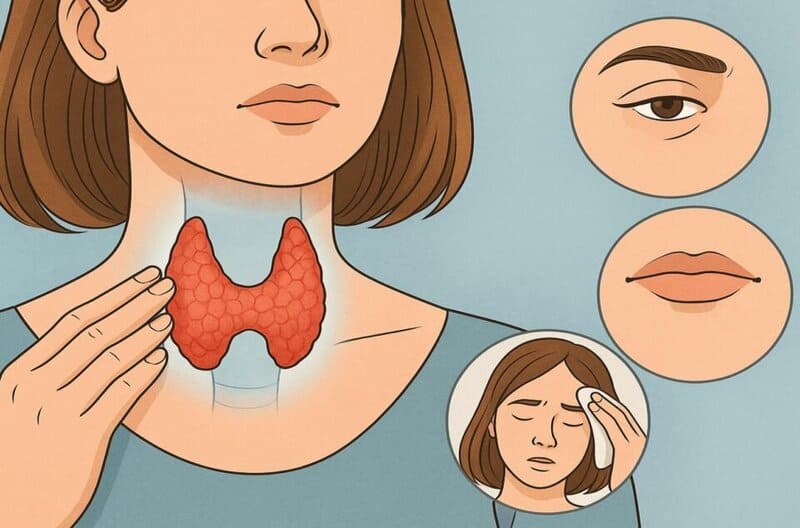
1. Persistent Fatigue

Fatigue is a common complaint, but when it lingers despite getting enough sleep, it could signal an underlying thyroid disorder. Many people brush off ongoing tiredness as a normal part of a busy lifestyle or aging. However, the exhaustion linked to thyroid dysfunction—especially hypothyroidism—is different. It often feels overwhelming and persistent, making daily activities feel disproportionately challenging.
Unlike typical tiredness, which resolves with rest, thyroid-related fatigue lingers regardless of how much you sleep or relax. This kind of tiredness can interfere with concentration, motivation, and even your mood.
According to the American Thyroid Association, fatigue is among the most commonly overlooked symptoms of hypothyroidism, frequently mistaken for depression or general stress.
If you find yourself constantly drained, struggling to keep up with your regular routine, or needing more sleep than usual without feeling refreshed, it may be time to consider your thyroid health. Persistent fatigue is a subtle but important sign that your body could be signaling a thyroid imbalance.
2. Unexplained Weight Changes

Weight can fluctuate for many reasons, but a sudden or persistent change without a clear cause may be a sign of thyroid dysfunction. An underactive thyroid (hypothyroidism) often leads to gradual weight gain, even if your eating habits and activity levels remain the same. Conversely, an overactive thyroid (hyperthyroidism) can cause unexpected weight loss, sometimes despite an increased appetite.
These changes differ from the usual ups and downs experienced with diet or exercise adjustments. Thyroid-related weight shifts tend to happen independently of lifestyle factors and can be resistant to typical weight management strategies. This can be confusing and frustrating, particularly for those who are otherwise healthy.
According to the Mayo Clinic, unexplained weight changes are among the classic signs of both hypothyroidism and hyperthyroidism. If you notice your weight increasing or decreasing without explanation, it’s wise to consider your thyroid as a potential factor and discuss these changes with your healthcare provider.
3. Dry Skin and Hair

The health of your skin and hair can reveal much about your internal well-being. Thyroid hormones play a vital role in regulating cell turnover and moisture retention. When thyroid function is compromised, these processes slow down, leading to dry, rough skin and brittle, thinning hair. This type of dryness is different from what you might experience during winter or after using harsh products—it can be persistent and resistant to typical moisturizers or conditioners.
Dermatology studies have shown that people with hypothyroidism often report skin that feels coarse and flaky, even on areas not usually prone to dryness, such as the elbows and shins. Hair may become noticeably dull, more prone to breakage, or shed in larger quantities. In hyperthyroidism, hair thinning can be more diffuse and rapid, sometimes accompanied by increased oiliness instead.
These subtle changes are often overlooked or attributed to aging. However, when skin and hair dryness persist despite good self-care, it may be a clue that your thyroid is not functioning optimally. Paying attention to these shifts can help you and your healthcare provider pinpoint possible thyroid-related issues earlier.
4. Increased Sensitivity to Cold or Heat

One of the more subtle, yet telling, signs of thyroid dysfunction is a noticeable change in how your body perceives temperature. The thyroid gland plays a central role in regulating your metabolism, which in turn affects how your body generates and manages heat. When thyroid hormones are out of balance, you may find yourself feeling unusually cold or hot compared to those around you.
With hypothyroidism, your metabolism slows, making it difficult for your body to produce enough heat. As a result, you might find yourself piling on extra layers or shivering in environments where others are comfortable. This increased sensitivity to cold is often persistent and doesn’t improve with typical remedies like warm clothing or blankets.
On the other hand, hyperthyroidism can ramp up your metabolic rate, causing you to feel excessively warm or prone to frequent sweating. You may struggle to tolerate heat or find yourself seeking out cooler spaces, even when others are not bothered. If you notice that your comfort with temperature is out of sync with those around you, it could be a subtle sign your thyroid needs attention.
5. Changes in Heart Rate

Your heart is highly responsive to thyroid hormones, which help control the speed and strength of each heartbeat. When thyroid function is disrupted, you might notice a slower or faster heart rate than usual, even when at rest.
This can sometimes feel like your heart is fluttering, pounding, or skipping beats—a sensation known as palpitations.
With hypothyroidism, the heart rate often slows down, potentially making you feel unusually tired, faint, or lightheaded. In contrast, hyperthyroidism can cause your heart to race, resulting in episodes of rapid heartbeat or irregular rhythms. These palpitations may come and go or persist, and they might be more noticeable during periods of rest or sleep.
According to the American Heart Association, these subtle changes in heart rate are often overlooked or attributed to anxiety or caffeine. However, persistent or unexplained alterations in your heartbeat should not be ignored. Paying close attention to these signals can help identify a thyroid problem before it affects your cardiovascular health more seriously.
6. Mood Swings and Depression

Thyroid disorders can have a profound impact on your mental and emotional health, sometimes in ways that are easily mistaken for unrelated mood or psychological conditions. Subtle symptoms like persistent low mood, anxiety, or unpredictable mood swings may actually be early indicators of thyroid dysfunction. According to the Mental Health America organization, people with hypothyroidism often experience symptoms resembling depression—feeling down, hopeless, or unmotivated for extended periods.
On the flip side, those with hyperthyroidism may feel more anxious, irritable, or restless. You might notice yourself worrying excessively or having trouble relaxing, even when there’s no obvious cause. These emotional changes can develop gradually, making them easy to attribute to stress, life changes, or other circumstances rather than a medical issue.
If you or someone you love is experiencing unexplained depression, irritability, or dramatic shifts in mood, it’s important to consider thyroid health as a possible factor. Addressing the underlying thyroid issue can often lead to significant improvement in emotional well-being and overall quality of life.
7. Muscle Weakness and Joint Pain

If you notice muscle aches, stiffness, or joint pain that seem to appear without a clear cause, your thyroid may be playing a role. Unlike the soreness that follows strenuous activity or exercise, thyroid-related discomfort can emerge gradually—even when you haven’t changed your routine. The pain may feel diffuse, affecting large muscle groups like the thighs, shoulders, or arms, and is often coupled with weakness or trouble climbing stairs or lifting objects.
With hypothyroidism, muscles may feel unusually tired, cramp easily, or become stiff, especially in the morning. Joint pain can also develop, sometimes mimicking the symptoms of arthritis. In cases of hyperthyroidism, muscle weakness can progress rapidly, particularly in the upper arms and thighs, making everyday motions feel unexpectedly difficult.
These symptoms can often be mistaken for aging or overuse, causing many people to overlook the underlying thyroid connection. If your muscle or joint discomfort persists and doesn’t improve with rest or standard remedies, it may be time to discuss thyroid testing with your healthcare provider. Early recognition could make a significant difference in your comfort and mobility.
8. Constipation or Diarrhea

Your thyroid plays a significant role in regulating your body’s metabolism, including how efficiently your digestive system works. When thyroid hormones are out of balance, digestive changes can become a subtle but important clue. Hypothyroidism can slow down many bodily functions, including those in the gastrointestinal tract, leading to persistent constipation. This isn’t just occasional irregularity—it’s often ongoing, stubborn, and may not respond to typical dietary changes or over-the-counter remedies.
On the other hand, hyperthyroidism can speed up your metabolism and, in turn, your digestive transit. This may result in more frequent bowel movements or even chronic diarrhea. According to gastrointestinal research, these symptoms are often overlooked or misattributed to stress, diet, or unrelated GI conditions.
If you notice changes in your bowel habits that persist for weeks—whether it’s ongoing constipation or diarrhea—it’s wise to consider potential thyroid involvement. Recognizing these subtle digestive signals can help you catch thyroid problems early and improve your overall digestive comfort.
9. Hair Loss or Thinning

Hair health is closely linked to hormonal balance, and the thyroid gland is a key player in this process. When thyroid function is disrupted, one of the more subtle symptoms can be diffuse hair loss or noticeable thinning, especially on the scalp. Sometimes, this loss extends to the eyebrows—particularly the outer third, which can thin markedly in hypothyroidism.
Unlike patterned hair loss, which tends to follow a specific progression, thyroid-related hair changes are generally more uniform and sudden. You might notice more hair collecting in your brush, on your pillow, or in the shower drain. According to leading dermatology sources, this kind of hair shedding is often overlooked or attributed to stress, diet, or seasonal changes.
Both hypothyroidism and hyperthyroidism can trigger these changes, although the underlying mechanisms differ. If you experience unexpected or persistent hair thinning that doesn’t improve with standard care or lifestyle changes, it’s worth considering a thyroid evaluation. Early intervention can help restore hair health and prevent further loss.
10. Menstrual Irregularities

Thyroid hormones have a direct influence on the reproductive system, so menstrual irregularities can be an early and often overlooked sign of thyroid dysfunction. When the thyroid is underactive, periods may become heavier, more frequent, or longer-lasting than usual. In contrast, an overactive thyroid may cause lighter, less frequent, or even missed periods.
These changes are different from the minor fluctuations most women experience due to stress or life changes. Thyroid-related menstrual shifts tend to occur over several cycles and may be accompanied by other symptoms, such as increased fatigue or changes in mood. According to the American College of Obstetricians and Gynecologists (ACOG), women with undiagnosed thyroid issues frequently report menstrual changes before other symptoms arise.
If your cycles become irregular, unexpectedly heavy, or you begin missing periods without another clear reason, it’s important to talk to your healthcare provider about thyroid testing. Early detection and treatment of thyroid imbalances can help restore hormonal harmony and overall reproductive health.
11. Difficulty Concentrating

Many people experience occasional forgetfulness, but persistent trouble focusing, memory lapses, or mental sluggishness—often described as “brain fog“—can be a subtle indicator of thyroid dysfunction. Thyroid hormones are critical for healthy brain function, supporting everything from attention span to short-term memory. When these hormones are imbalanced, your ability to concentrate or recall information can noticeably decline.
People with hypothyroidism may feel mentally “slowed down,” struggling to complete tasks, follow conversations, or remember names and details. Those with hyperthyroidism might experience heightened distractibility or nervous energy, making it hard to focus or organize thoughts. According to cognitive health research, these symptoms can develop gradually and are often attributed to aging, stress, or lack of sleep, rather than thyroid issues.
If you notice a lingering sense of mental fogginess that interferes with daily activities, it’s important to consider your thyroid as a potential factor. Addressing thyroid dysfunction can often bring significant improvement in mental clarity and overall cognitive performance.
12. Hoarseness or Voice Changes

Unexpected changes in your voice—such as persistent hoarseness, a raspy tone, or a sensation of throat tightness—can sometimes be traced back to thyroid issues. The thyroid gland sits just below the voice box (larynx), and when it becomes enlarged or swollen (a condition known as a goiter), it can press against the vocal cords and surrounding structures. This subtle pressure may cause your voice to sound different, even if you don’t feel any pain.
You may notice that your voice becomes hoarse, lower in pitch, or tires easily after speaking. According to ENT (Ear, Nose, and Throat) specialists, these vocal symptoms are often overlooked or mistaken for the effects of allergies, colds, or overuse. However, thyroid-related hoarseness tends to persist and may be accompanied by other subtle symptoms, such as mild neck discomfort or the feeling of a lump in your throat.
If you experience ongoing voice changes without a clear explanation, especially alongside other thyroid symptoms, it’s important to consult your healthcare provider. Early evaluation can help identify thyroid problems before they progress and affect your quality of life.
13. High Cholesterol Levels

Thyroid hormones influence how your body processes fats, so an undiagnosed thyroid disorder—especially hypothyroidism—can lead to elevated cholesterol levels. This connection is often subtle because there may be no obvious symptoms until blood tests reveal a problem. When the thyroid is underactive, metabolism slows, and the liver becomes less efficient at clearing excess cholesterol from the bloodstream.
As a result, you may develop high total cholesterol or LDL (“bad” cholesterol) despite a healthy diet and lifestyle. These changes are often first discovered during routine blood work, leaving many people surprised, especially if they have no family history of cholesterol problems. According to thyroid research and clinical guidelines, persistent high cholesterol that doesn’t respond to lifestyle changes should prompt thyroid evaluation.
If you receive unexpected cholesterol results, especially along with other subtle symptoms, it’s wise to ask your healthcare provider about thyroid testing. Identifying and treating hypothyroidism can often help bring cholesterol levels back into a healthier range and reduce your risk of heart disease.
14. Swelling in the Neck (Goiter)

A subtle swelling or sense of fullness in the neck can be an early sign of thyroid enlargement, known as a goiter. This swelling may develop so gradually that you don’t notice it at first. Sometimes, it’s only detected when looking in the mirror, fastening a necklace, or when someone else points it out. The fullness is usually painless and may feel like a gentle bulge at the base of your throat.
In clinical cases, patients often report a sensation of tightness when swallowing collars feel snug, or they notice a slight asymmetry when tilting their head. Goiters can be associated with both hypothyroidism and hyperthyroidism, as well as with nodules or autoimmune thyroid conditions. According to clinical case studies, these subtle changes in the neck are often overlooked until the swelling becomes more prominent or other thyroid symptoms emerge.
If you observe any new or persistent swelling at the front of your neck, it’s important to have it evaluated by a healthcare provider. Early detection of goiter can lead to prompt thyroid assessment and help prevent further complications.
15. Sleep Disturbances

Quality sleep is essential for your health, but thyroid disorders can quietly disrupt your sleep patterns in surprising ways. Both insomnia and excessive sleepiness can be linked to thyroid dysfunction, often without obvious cause. When the thyroid is overactive (hyperthyroidism), you may struggle to fall asleep, experience restless nights, or wake frequently due to a racing mind or rapid heartbeat.
On the other hand, hypothyroidism can lead to profound sleepiness, making it difficult to stay awake during the day or causing you to need more sleep than usual—yet still wake up feeling unrefreshed. According to sleep medicine studies, these disturbances are commonly overlooked or mistaken for lifestyle issues, stress, or unrelated sleep disorders.
If you notice persistent changes in your sleep quality—whether it’s trouble sleeping through the night or unexplained daytime drowsiness—it could be worth considering your thyroid health. Addressing thyroid imbalances may help restore restful sleep and significantly improve your overall energy and well-being.
16. Increased Appetite or Loss of Appetite

Unexpected changes in appetite can be a subtle clue that your thyroid is out of balance. With hyperthyroidism, your metabolism speeds up, often causing a noticeable increase in hunger. You might find yourself eating more than usual but still losing weight—a confusing combination that’s easy to overlook or blame on lifestyle changes or stress.
Conversely, hypothyroidism can lead to a diminished appetite. Foods that once appealed to you may seem less enticing, or you may find yourself skipping meals without realizing it. Unlike temporary appetite shifts caused by emotional stress, illness, or dietary changes, thyroid-related fluctuations tend to persist over weeks or months and may occur alongside other subtle symptoms.
It’s important to distinguish these patterns from the typical ebb and flow of appetite that accompanies busy schedules or minor illness. If you notice a sustained change in how much or how often you want to eat, particularly if it’s accompanied by other signs like fatigue or weight changes, it’s worth discussing with your healthcare provider. Sometimes, these appetite shifts are your body’s way of signaling a deeper thyroid issue.
17. Elevated Blood Pressure

Blood pressure is influenced by many factors, and thyroid hormones are among the most important regulators. Both hyperthyroidism and hypothyroidism can subtly affect your cardiovascular system, sometimes leading to elevated blood pressure. These changes may develop gradually and are often missed during routine medical checks, especially if no other symptoms are present.
With hyperthyroidism, the body’s heightened metabolic activity can cause the heart to work harder, raising systolic blood pressure and sometimes causing a faster pulse. In contrast, hypothyroidism may increase diastolic blood pressure by making blood vessels less flexible and slowing overall circulation. According to cardiovascular studies, these shifts are frequently overlooked, attributed to stress, aging, or dietary habits instead of a potential thyroid disorder.
If your blood pressure readings are higher than usual—especially if this is a new finding and not explained by other risk factors—it’s wise to consider checking your thyroid function. Recognizing thyroid-related blood pressure changes early can help you and your healthcare provider better manage your heart health and overall well-being.
18. Altered Sweating Patterns

Thyroid hormones help regulate your body’s internal thermostat, influencing not only temperature perception but also sweating patterns. Many people don’t realize that unusual changes in how much they sweat—either excessive sweating or a noticeable lack of it—can be subtle signs of thyroid dysfunction. These changes are often gradual, making them easy to overlook or attribute to environmental factors.
With hyperthyroidism, your metabolism is in overdrive, which can lead to increased sweating even in cool environments or during minimal activity. You may notice damp skin, frequent need to change clothes, or night sweats that disrupt your sleep. On the other hand, hypothyroidism can slow down sweat production, leaving your skin unusually dry or making you sweat less than you used to, even during exercise or warm weather.
Altered sweating is different from the occasional changes you might experience due to stress, exercise, or hot days. If you observe a persistent shift in your sweating patterns without clear cause, it’s important to consider your thyroid health. Subtle as it is, this symptom can be a valuable clue for early detection and management of thyroid disorders.
19. Tingling or Numbness in Extremities

A subtle but important sign of thyroid dysfunction is tingling, numbness, or a “pins and needles” sensation in your hands, feet, or even lower legs and arms. Thyroid hormones are essential for healthy nerve function, and when they’re out of balance, the nerves that carry signals to your extremities can become affected. This can result in intermittent or persistent nerve sensations, often developing so gradually that they’re mistaken for circulation issues or the result of sleeping in an odd position.
With hypothyroidism, the slowed metabolism can cause fluid retention and swelling, which in turn may compress nerves and lead to neuropathic symptoms. In some cases, hyperthyroidism can also impact nerve health, causing similar discomfort. According to neurology resources, these subtle nerve changes are frequently overlooked or attributed to unrelated causes, like carpal tunnel syndrome or vitamin deficiencies.
If you notice persistent tingling or numbness in your extremities, especially if it’s paired with other subtle symptoms, it’s wise to discuss thyroid testing with your healthcare provider. Early attention to these signs can help protect nerve health and overall function.
20. Reduced Sex Drive

A reduced sex drive is a subtle and often overlooked symptom of thyroid dysfunction. Thyroid hormones are crucial for regulating many aspects of reproductive and sexual health in both men and women. When these hormones are imbalanced—either too low (hypothyroidism) or too high (hyperthyroidism)—they can disrupt hormone levels involved in sexual desire and function.
People experiencing hypothyroidism may notice a gradual decline in interest in sexual activity, sometimes accompanied by fatigue, mood changes, or menstrual irregularities. Hyperthyroidism can also affect libido, often by causing anxiety, restlessness, or general discomfort that makes intimacy less appealing. According to endocrinology studies, thyroid-related changes in libido are common but frequently misattributed to stress, aging, or relationship factors.
If you find that your interest in sex has noticeably decreased and this change persists despite healthy relationships and lifestyle factors, it may be worth investigating your thyroid health. Addressing thyroid imbalances can not only restore hormonal harmony but also improve overall sexual well-being and quality of life.
21. Puffy Face

A puffy or swollen face—particularly around the eyes and cheeks—can be a subtle but telling indicator of hypothyroidism. This symptom often develops slowly, making it easy to dismiss as weight gain, fatigue, or even allergies. However, when thyroid hormone levels are low, the body retains more fluid and certain proteins, leading to swelling of the soft tissues in the face.
You may notice your features look slightly different in photos, or that you have mild morning puffiness that doesn’t go away throughout the day. The area around the eyes is especially prone to swelling, sometimes making your eyelids look heavier or giving you a “tired” appearance, even if you’ve had enough rest. Clinical reports suggest that this puffiness is often one of the earliest visible signs of hypothyroidism, but it is frequently overlooked or misattributed to lifestyle factors.
If you observe persistent facial puffiness, particularly if it occurs alongside other subtle symptoms, it’s worth discussing with your healthcare provider. Early recognition and treatment of thyroid dysfunction can help reduce swelling and restore your natural facial contours.
22. Brittle Nails

Healthy nails often reflect your overall wellness, and subtle changes in their appearance or texture can be an important sign that something is amiss. Brittle, dry, or ridged nails are frequently associated with thyroid dysfunction. When thyroid hormones are out of balance, they can disrupt the normal growth cycle of your nails, causing them to become weak, thin, and prone to splitting or breaking.
With hypothyroidism, you might notice your nails grow more slowly and develop vertical ridges, or that they peel and crack easily. In some cases, the cuticles may thicken, and the nail surface may become dull or uneven. Hyperthyroidism can also affect the nails, sometimes causing them to lift away from the nail bed—a condition known as onycholysis.
These nail changes often arise gradually and may be dismissed as the result of manual work, aging, or exposure to harsh chemicals. However, if your nails suddenly become brittle or you notice persistent changes despite good nail care, it’s worth considering your thyroid health. Addressing thyroid imbalances can help restore nail strength and improve their overall appearance.
23. Carpal Tunnel Syndrome

Many people are surprised to learn that carpal tunnel syndrome—characterized by tingling, numbness, or weakness in the hands and fingers—can be linked to thyroid dysfunction, particularly hypothyroidism. The carpal tunnel is a narrow passageway in the wrist through which the median nerve runs. When thyroid hormone levels are low, the body can retain excess fluid and proteins, causing tissues in the wrist to swell and compress the median nerve.
This compression leads to the classic symptoms of carpal tunnel: tingling, numbness, or burning sensations in the thumb, index, middle, and part of the ring finger. You might notice symptoms worsen at night or after repetitive hand movements, and in severe cases, grip strength can also be affected. Studies from neurology and rheumatology fields have shown a higher prevalence of carpal tunnel syndrome in individuals with untreated thyroid disorders.
These symptoms are often attributed to computer use, repetitive strain, or aging, but if they persist or don’t respond to common remedies, it’s important to consider your thyroid health. Effective management of thyroid dysfunction can reduce swelling and relieve carpal tunnel symptoms, improving hand function and comfort.
24. Eye Problems

The eyes can offer subtle clues about underlying thyroid disorders, especially in the case of Graves’ disease, a form of hyperthyroidism. One of the most recognizable symptoms is a bulging appearance of the eyes, known as exophthalmos, but the earliest signs are usually much more subtle. You might experience dryness, irritation, redness, or a gritty sensation in your eyes, which can easily be mistaken for allergies or too much screen time.
Some people develop increased tearing or sensitivity to light, while others notice that their eyes feel more uncomfortable in wind or air conditioning. In Graves’ disease, the tissues and muscles behind the eyes become inflamed and swollen, contributing not only to dryness but also to changes in how the eyes appear and move. Clinical ophthalmology research shows that these symptoms may precede more obvious eye changes by months, making early recognition especially important.
If you notice persistent eye discomfort, unexplained redness, or a change in how your eyes look or feel, it’s important to discuss these symptoms with your healthcare provider. Early intervention can help prevent more serious eye complications and preserve your vision and comfort.
25. Poor Temperature Regulation During Exercise

Physical activity naturally raises your body temperature, but if you struggle to regulate heat or cold during exercise, your thyroid could be involved. Thyroid hormones play a key role in how efficiently your body adapts to increased physical demands, including temperature control. When thyroid function is out of balance, you may notice you overheat quickly, become excessively sweaty, or, conversely, feel chilled and unable to warm up—even during moderate workouts.
With hyperthyroidism, your metabolism is in overdrive, making you more prone to overheating, excessive sweating, and even dizziness during physical exertion. In contrast, hypothyroidism can slow your body’s ability to generate warmth, causing you to feel cold and sluggish no matter how hard you exercise. These issues are distinct from the typical temperature fluctuations experienced by most people during a workout.
If you consistently feel out of sync with your exercise environment—struggling to cool down or warm up in ways that others do not—it’s worth considering your thyroid health. Recognizing these temperature regulation issues can help guide you toward a comprehensive evaluation and more effective management of your symptoms.
26. Delayed Reflexes

One of the lesser-known but telling neurological signs of hypothyroidism is the presence of delayed reflexes. Reflexes are automatic responses that help protect your body from harm, and they rely on the healthy functioning of your nerves and muscles. When thyroid hormone levels are low, nerve signals can slow down, causing your reflexes to become noticeably sluggish.
This slowing may not be immediately obvious in day-to-day life, but clinical examinations often reveal it through tests such as the ankle jerk reflex. For example, when a doctor taps your Achilles tendon, your foot might take longer to respond and return to its resting position. According to neurology research, delayed reflexes are a classic but frequently overlooked sign of untreated hypothyroidism.
These subtle neurological changes can develop gradually, making them easy to dismiss as normal aging or fatigue. If you or your healthcare provider notice slowed reflexes during a routine checkup—especially if accompanied by other subtle symptoms—it’s important to consider thyroid testing. Early detection can prevent further complications and support optimal nerve and muscle function.
27. Infertility or Difficulty Conceiving

Thyroid health is intricately connected to reproductive function, and subtle thyroid imbalances can have a significant impact on fertility for both men and women. In women, abnormal thyroid hormone levels can disrupt the menstrual cycle, ovulation, and the ability to sustain a pregnancy. Even mild hypothyroidism or hyperthyroidism may reduce the chances of conception by interfering with the hormones that regulate egg release or by affecting the uterine environment.
Men are also affected, as thyroid dysfunction can lower testosterone levels, reduce sperm quality, and impair sexual function. According to reproductive medicine sources, couples experiencing unexplained infertility or repeated miscarriages are often advised to have their thyroid function evaluated as part of a comprehensive assessment.
Because these effects can be subtle and develop gradually, many people are unaware of the thyroid’s role in their fertility challenges. If you or your partner are having difficulty conceiving without an obvious cause, discussing thyroid testing with your healthcare provider may uncover an underlying issue that is both treatable and reversible.
28. Hearing Loss

Hearing loss is not often the first symptom people associate with thyroid disorders, yet subtle, gradual hearing changes can be linked to untreated thyroid conditions. Both hypothyroidism and hyperthyroidism can affect the delicate structures of the inner ear, as well as the nerves that transmit sound signals to the brain. Over time, this can result in diminished hearing acuity, which may go unnoticed until it begins to interfere with daily communication.
People with thyroid-related hearing loss often describe a sense of muffled sounds, difficulty following conversations in noisy environments, or needing to increase the volume on devices more than usual. According to otolaryngology research, these changes may be reversible with appropriate thyroid treatment, especially if caught early.
Because age-related hearing loss is common, thyroid-related causes are frequently overlooked. However, if you experience persistent or progressive hearing difficulties—particularly in the absence of other risk factors—it’s important to include thyroid function testing as part of your evaluation. Addressing the underlying thyroid disorder can help preserve your hearing and overall quality of life.
29. Anemia

Anemia, a condition marked by low levels of healthy red blood cells or hemoglobin, can be a subtle consequence of low thyroid hormone levels. The thyroid plays a vital role in stimulating bone marrow to produce red blood cells. When thyroid function is impaired—especially in hypothyroidism—this process slows down, leading to mild or moderate anemia. The symptoms can be vague, such as persistent fatigue, paleness, weakness, or shortness of breath, and often overlap with other signs of thyroid dysfunction.
Many people only discover they are anemic during routine blood tests or when investigating unexplained tiredness. According to hematology research, anemia associated with thyroid disorders is sometimes overlooked because the drop in red blood cell count may be modest and develop over time.
If you receive unexpected blood test results showing low hemoglobin or are experiencing unexplained symptoms such as fatigue and weakness, it’s important to consider a thyroid evaluation. Treating the underlying thyroid disorder can often resolve the anemia and restore your energy and overall health.
30. Restless Legs Syndrome

Restless Legs Syndrome (RLS) is a neurological condition that causes an uncontrollable urge to move the legs, often accompanied by uncomfortable sensations like tingling, crawling, or itching. While RLS is commonly linked to iron deficiency or nerve issues, research has found a notable association between thyroid disorders and restless legs symptoms. Both hypothyroidism and hyperthyroidism can disrupt neurotransmitter balance and nerve function, increasing the likelihood of RLS, especially at night.
People with thyroid-related RLS often describe symptoms that worsen during periods of rest or inactivity and improve with movement. This can severely impact sleep quality, leading to daytime fatigue and irritability. According to neurology studies, thyroid dysfunction may exacerbate underlying RLS or even trigger new onset of symptoms in previously unaffected individuals.
If you experience persistent restlessness in your legs or find that your sleep is frequently disturbed by the need to move, it’s worth discussing your thyroid health with a healthcare provider. Addressing thyroid imbalances can help alleviate RLS symptoms and improve both sleep and quality of life.
31. Decreased Sweating

While many associate thyroid dysfunction with increased sweating, decreased sweating is a subtle but important symptom, particularly in individuals with hypothyroidism. Thyroid hormones help regulate your body’s metabolic rate and, by extension, how much you sweat. When thyroid activity is low, your sweat glands produce less moisture, even during activities that would normally make you perspire.
People with hypothyroidism may notice that their skin feels drier and less clammy, even in warm weather or during vigorous exercise. You might find that you rarely sweat, or that you no longer need to change clothes after working out. This change can develop so gradually that it’s easy to overlook or attribute to other factors, such as dehydration, aging, or reduced activity levels.
According to endocrinology references, decreased sweating, when paired with other subtle symptoms like fatigue and dry skin, can be a useful early indicator of hypothyroidism. If you notice a sustained reduction in sweating for no clear reason, consider discussing thyroid testing with your healthcare provider. Proper management can help restore normal sweating patterns and improve your skin’s health and comfort.
32. Frequent Infections

A healthy thyroid is crucial for maintaining a well-functioning immune system. When thyroid hormones are out of balance, your body’s ability to fight off germs and viruses may be compromised. As a result, people with thyroid disorders—especially untreated hypothyroidism or hyperthyroidism—can experience more frequent colds, respiratory illnesses, or other infections than usual.
You might notice that you’re getting sick more often, that minor illnesses linger longer, or that you have trouble recovering fully between bouts of sickness. This increased susceptibility is often subtle and may be mistaken for stress, poor sleep, or seasonal changes. According to immunology research, thyroid hormones play a key role in regulating immune cell activity, and imbalances can weaken your body’s natural defenses.
If you find yourself frequently battling infections without another clear explanation, it’s important to consider your thyroid health as a possible factor. Improving thyroid function with proper treatment can help restore immune strength, reducing the frequency and severity of infections and supporting your overall resilience.
33. Slowed Heart Rate

A slowed heart rate, or bradycardia, can be a subtle but significant sign of hypothyroidism. Thyroid hormones are essential for maintaining normal heart rhythm and contractility. When hormone levels drop, the heart’s electrical signals slow down, often causing the pulse to fall below the typical adult range of 60 beats per minute at rest. This reduction is not always noticeable in daily life, especially for those who are physically fit or accustomed to a lower heart rate.
However, bradycardia related to thyroid dysfunction may be accompanied by symptoms such as fatigue, dizziness, shortness of breath, or even fainting in more severe cases. According to cardiology guidelines, a persistently slow heart rate—especially when paired with other subtle symptoms—should prompt evaluation of thyroid function.
This sign is often missed during routine checkups or attributed to athletic conditioning. If you or your healthcare provider notice an unusually slow pulse, especially in conjunction with fatigue or other thyroid-related symptoms, discussing thyroid testing could lead to early detection and better management of both your thyroid and heart health.
34. Mild Swelling in Hands and Feet

Mild, persistent swelling in the hands and feet is a subtle symptom that can be linked to thyroid dysfunction, particularly hypothyroidism. When thyroid hormone levels are low, the body tends to retain more fluid and certain proteins, leading to puffiness or slight swelling in the extremities. This swelling, known clinically as myxedema, often goes unnoticed or is attributed to standing for long periods, heat, minor injuries, or dietary salt intake.
You might find that your rings or shoes feel tighter than usual, or that your hands and feet look slightly fuller in the morning and don’t return to normal as the day progresses. The swelling is typically soft and not painful, which makes it easy to dismiss or overlook. According to endocrinology references, this kind of subtle fluid retention is a common but frequently missed sign of thyroid issues.
If you consistently observe swelling in your hands or feet without another clear explanation, it’s wise to mention it to your healthcare provider. Early detection and management of thyroid dysfunction can help reduce fluid retention and restore comfort and mobility in your extremities.
35. Decreased Taste and Smell

A reduced sense of taste (hypogeusia) or smell (hyposmia) is an often-overlooked symptom that can be linked to thyroid dysfunction, particularly hypothyroidism. Thyroid hormones play a key role in maintaining the health and function of sensory nerves, including those responsible for taste and smell. When these hormones are out of balance, the nerve signaling to your taste buds and olfactory receptors can be disrupted, causing a subtle but noticeable decline in these senses.
People experiencing this symptom may find that food seems bland, or that familiar scents no longer register as strongly as before. This loss is typically gradual, making it easy to attribute to aging, allergies, or recent illness rather than an underlying thyroid issue. According to clinical research, the sense of taste and smell often improves with appropriate thyroid treatment.
If you notice persistent changes in your ability to taste or smell without other obvious causes, it’s important to consider your thyroid health. Early identification and management of thyroid dysfunction can help restore your sensory experiences and improve your enjoyment of daily life.
36. Difficulty Swallowing

A subtle difficulty swallowing—known medically as dysphagia—can sometimes be traced to an enlarged thyroid, or goiter. The thyroid gland sits at the front of the neck, just below the Adam’s apple, and when it becomes enlarged, it can gently press against the esophagus. This pressure may not cause pain but can create a sensation of tightness, a lump in the throat, or mild trouble swallowing solid foods or pills.
Many people describe the sensation as needing to swallow more than once or feeling like food moves more slowly down the throat. These symptoms often develop gradually and are frequently mistaken for anxiety, dehydration, or minor throat irritation. According to clinical thyroid studies, difficulty swallowing related to goiter is a key, though often overlooked, sign of underlying thyroid dysfunction.
If you experience persistent tightness or trouble swallowing that doesn’t resolve with hydration or lozenges, it’s important to mention this to your healthcare provider. Early evaluation of the thyroid can help identify the cause and prevent further complications, restoring normal swallowing and comfort.
37. Anxiety or Panic Attacks

A surge in anxiety, nervousness, or sudden panic attacks can be an unexpected sign of thyroid dysfunction—most commonly, hyperthyroidism. When the thyroid is overactive, it releases excess hormones that can overstimulate the nervous system. This heightened state of arousal may manifest as constant worry, irritability, restlessness, or even episodes of intense fear that seem to come out of nowhere.
People with thyroid-related anxiety often report a racing mind, trouble relaxing, difficulty sleeping, or feeling “on edge” much of the time. In some cases, these symptoms escalate into panic attacks, with rapid heartbeat, sweating, trembling, or a sense of impending doom. According to mental health research, a significant number of individuals with newly diagnosed hyperthyroidism present with anxiety or panic symptoms before other thyroid-related signs become apparent.
Because anxiety and panic attacks have many potential triggers, thyroid involvement is frequently overlooked. If you notice a sudden or unexplained increase in anxiety—especially if accompanied by other subtle changes—it’s important to ask your healthcare provider about thyroid testing. Effective management of thyroid function can restore emotional balance and improve your overall well-being.
38. Increased Thirst or Urination

An often-overlooked symptom of thyroid dysfunction—particularly hyperthyroidism—is a noticeable increase in thirst or urination. Thyroid hormones influence many metabolic processes, including how your body regulates fluid balance. When these hormones are elevated, your kidneys may filter blood more rapidly, leading to increased urine production. This, in turn, can cause you to feel thirsty more often as your body tries to compensate for fluid loss.
Some people with hyperthyroidism report needing to visit the bathroom more frequently, even during the night, or feeling persistently parched despite drinking adequate fluids. Although increased thirst and urination are classic symptoms of diabetes, they can also occur in the context of thyroid overactivity or, less commonly, with severe hypothyroidism. According to endocrinology resources, these changes may be subtle at first and are often attributed to dietary habits, stress, or other medical conditions.
If you observe a persistent shift in your thirst or urination patterns without another clear explanation, consider discussing thyroid testing with your healthcare provider. Identifying the underlying cause can help guide appropriate treatment and restore your body’s fluid balance.
39. Itchy Skin

A persistent sensation of itchy skin, even in the absence of an obvious rash or visible irritation, can be a subtle indicator of thyroid imbalance. Both hypothyroidism and hyperthyroidism can lead to changes in skin texture and moisture, affecting how your skin feels and responds to daily life. With hypothyroidism, the skin often becomes dry, flaky, and more prone to irritation, making even gentle fabrics or mild soaps feel uncomfortable.
In some cases, people experience a generalized itch that’s hard to pinpoint or relieve, and scratching may not provide lasting comfort. Hyperthyroidism, while more likely to cause moist or sweaty skin, can also trigger itchiness due to increased sensitivity and rapid skin cell turnover. According to dermatology resources, these subtle skin changes are frequently chalked up to environmental factors or allergies, rather than underlying thyroid issues.
If you find that your skin is consistently itchy, especially if it’s dry or accompanied by other unexplained symptoms, consider asking your healthcare provider about thyroid testing. Treating the thyroid imbalance can help restore your skin’s comfort and improve your overall sense of well-being.
40. Delayed Wound Healing

A slower-than-expected recovery from cuts, scrapes, or other minor injuries can be an underappreciated sign of low thyroid hormone levels. Thyroid hormones are crucial for cell growth, tissue repair, and maintaining healthy blood flow—all key components of the body’s ability to heal wounds efficiently. When these hormone levels are insufficient, the healing process can become sluggish, leaving wounds open or inflamed for longer periods than usual.
You might notice that small skin injuries linger, scab over slowly, or become more susceptible to infection. Even bruises or surgical incisions may take longer to disappear. According to wound care research, hypothyroidism is linked to impaired collagen production, reduced immune activity, and decreased circulation, all of which contribute to delayed wound healing.
This subtle sign is often overlooked or attributed to aging, diabetes, or poor nutrition. However, if you find that your wounds consistently heal slowly without another explanation, it’s important to consider your thyroid health. Proper management can speed up recovery and help maintain the integrity of your skin and tissues.
Conclusion

Recognizing the subtle symptoms of thyroid disorders can make a significant difference in early detection and effective treatment. If you notice several of these signs in yourself or a loved one, don’t dismiss them as mere coincidences or part of daily life. Instead, be proactive—consult a healthcare professional for proper evaluation and guidance. Early diagnosis and management can restore balance, improve well-being, and prevent long-term complications, ensuring a healthier, more vibrant future.
Disclaimer

This article is for informational purposes only and is not a substitute for professional medical advice, diagnosis, or treatment. Always consult a qualified healthcare provider with any questions about your health or before making changes to your care.
About the author
Medical News Staff
Editorial team
Articles from the Medical News editorial team, covering everyday health, nutrition and fitness in plain language.
Keep reading

15 Signs of Liver Disease You Can See

15 Mistakes Measuring Your Blood Pressure

15 Visible Signs of Hyperthyroidism (Graves Disease) You Can See

15 Signs of Iron Deficiency You Can See
Advertisement