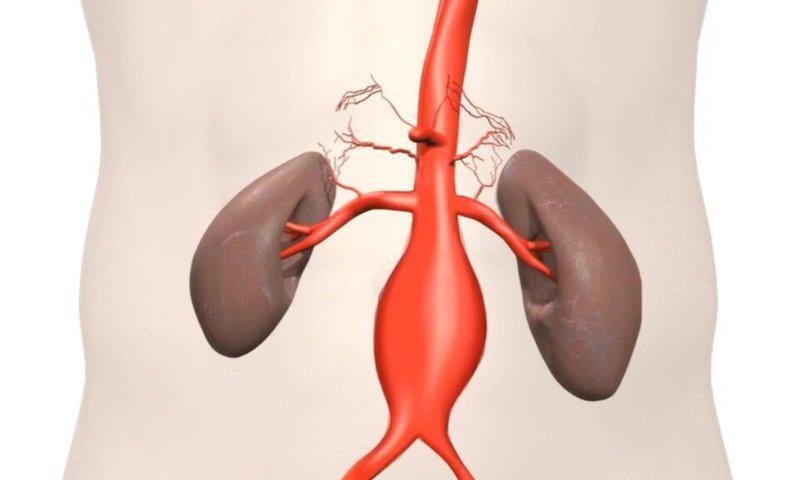
Can lifestyle changes help prevent the formation of an abdominal aortic aneurysm?

Yes, lifestyle changes can play a crucial role in reducing the risk of developing an abdominal aortic aneurysm (AAA). Although some risk factors, such as age and genetics, cannot be controlled, adopting a healthy lifestyle can help improve overall vascular health and prevent conditions that contribute to aneurysm formation. Quitting smoking is one of the most effective ways to lower the risk, as smoking weakens the aortic wall and accelerates aneurysm growth. Maintaining a healthy blood pressure through regular exercise, stress management, and a low-sodium diet can also reduce strain on the arteries. Eating a balanced diet rich in fruits, vegetables, whole grains, and lean proteins helps to lower cholesterol levels and prevent atherosclerosis, a condition that can contribute to AAA.
Additionally, maintaining a healthy weight and managing conditions such as diabetes can further decrease the risk. Regular medical check-ups and screenings for people at high risk can aid in early detection and prevention.An abdominal aortic aneurysm (AAA) is a potentially life-threatening condition where the lower part of the aorta, the major blood vessel supplying blood to the body, becomes enlarged or bulges outward. The aorta runs from the heart through the chest and abdomen, and when weakened, it can expand abnormally, increasing the risk of rupture. A ruptured AAA can cause severe internal bleeding, which is often fatal without immediate medical intervention.
In many cases, AAAs develop slowly and without noticeable symptoms, making early detection challenging. While small aneurysms may remain stable for years, larger ones can expand rapidly and require medical attention. Certain factors, such as smoking, high blood pressure, and genetic predisposition, contribute to the development of an AAA. Screening is recommended, especially for men over 65 with a history of smoking, as early detection allows for timely treatment, reducing the risk of life-threatening complications.