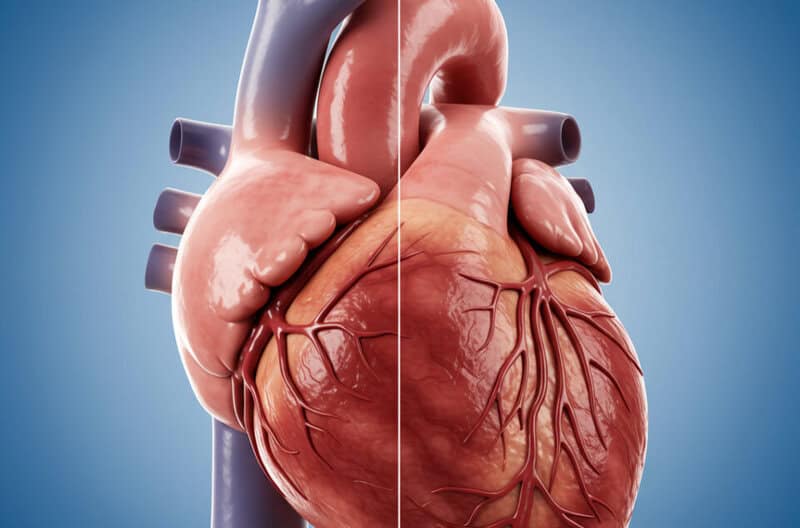
Hypertrophic cardiomyopathy (HCM) is a genetic heart disorder estimated to affect roughly 1 in 500 people. The CDC notes that as many as 1 in 500 adults may have some form of cardiomyopathy. Despite its relatively high prevalence, HCM often goes undiagnosed due to subtle or absent early symptoms. The condition involves abnormal thickening of the heart muscle, particularly the ventricles, which can impede normal blood flow and increase the risk of sudden cardiac events. Early detection is critical, yet many individuals remain unaware of their risk until complications arise, underscoring the importance of recognizing early warning signs and improving diagnostic approaches.
1. Shortness of Breath (Dyspnea)

Shortness of breath, or dyspnea, is one of the earliest and most common symptoms experienced by individuals with hypertrophic cardiomyopathy (HCM). This occurs because the abnormal thickening of the heart muscle, particularly in the left ventricle, reduces its ability to pump blood efficiently. As a result, pressure builds up in the lungs and fluid can accumulate, making it difficult to breathe, especially during physical activity or while lying down. For instance, someone might notice they become unusually winded when climbing stairs or engaging in light exercise—activities that previously posed no challenge.
Although mild breathlessness can be attributed to various benign causes, persistent or worsening dyspnea should never be ignored. If an individual finds that their breathlessness is out of proportion to their exertion or is accompanied by chest discomfort, palpitations, or fainting, it is crucial to seek medical evaluation. Early recognition of this symptom can lead to timely diagnosis and management, potentially preventing life-threatening complications. For more information on the symptomatology and management of HCM, visit the American Heart Association’s HCM resource page.
2. Chest Pain or Discomfort (Angina)

Chest pain or discomfort—often referred to as angina—is another early symptom experienced by individuals with hypertrophic cardiomyopathy (HCM). In HCM, the thickened heart muscle requires more oxygen than normal, yet its blood supply is often limited due to compressed coronary arteries. This mismatch between oxygen demand and supply can trigger chest pain, especially during exertion or emotional stress. Unlike typical angina caused by coronary artery disease, pain in HCM may occur even when the coronary arteries are clear, making it a unique and sometimes confusing symptom.
Chest pain associated with HCM can manifest as a sensation of pressure, tightness, or burning in the chest. While it may resemble the discomfort felt during a heart attack or anxiety, it is important to consider the context and associated symptoms. Alarming signs include chest pain that occurs at rest, lasts more than a few minutes, radiates to the jaw or arm, or is accompanied by shortness of breath, sweating, or fainting. Such features warrant immediate medical attention. For more detailed information on chest pain in cardiomyopathies, visit the Mayo Clinic’s overview of hypertrophic cardiomyopathy.
3. Palpitations

Palpitations—the sensation of a rapid, fluttering, or pounding heartbeat—are a frequent early sign of hypertrophic cardiomyopathy (HCM). In HCM, the abnormally thickened heart muscle can disrupt the heart’s electrical pathways, leading to arrhythmias such as atrial fibrillation or ventricular tachycardia. These abnormal rhythms can cause the heart to beat irregularly, too quickly, or forcefully, making individuals acutely aware of their heartbeat. For example, a person with HCM might notice sudden episodes of their heart “racing” or “skipping beats” while sitting quietly or during mild activity.
While occasional palpitations can occur in healthy people due to stress, caffeine, or lack of sleep, recurrent or persistent palpitations should not be dismissed in someone at risk for or diagnosed with HCM. Palpitations accompanied by dizziness, fainting, chest pain, or shortness of breath may indicate a dangerous arrhythmia and require prompt medical evaluation. Early detection and treatment of arrhythmias are crucial for reducing the risk of complications, including sudden cardiac death. For further details on arrhythmias and their management in HCM, consult the Cleveland Clinic’s resource on hypertrophic cardiomyopathy.
4. Fainting or Near-Fainting (Syncope)

Fainting or near-fainting, medically known as syncope, is a serious symptom sometimes seen in individuals with hypertrophic cardiomyopathy (HCM). This occurs when the thickened heart muscle obstructs blood flow out of the heart or when abnormal heart rhythms disrupt the heart’s ability to pump blood effectively. As a result, the brain receives less oxygen-rich blood, leading to sudden loss of consciousness or a sensation of lightheadedness and impending blackout. This is particularly common during or immediately after exercise or sudden standing.
For instance, an otherwise healthy young athlete may suddenly collapse while playing sports—a scenario that is often mistaken for dehydration or exhaustion. However, unlike common fainting episodes caused by standing up too quickly, syncope in HCM can be recurrent and may not always be associated with obvious triggers. Anyone experiencing unexplained fainting or near-fainting should seek immediate medical evaluation, as these episodes can signal life-threatening arrhythmias or severe obstruction of blood flow. To learn more about the risks and management of syncope in HCM, visit the European Society of Cardiology’s patient resource.
5. Fatigue

Fatigue is a frequent but often overlooked early symptom in people with hypertrophic cardiomyopathy (HCM). The heart’s thickened muscle reduces its ability to efficiently pump blood, leading to decreased oxygen and nutrient delivery to the body’s tissues. Additionally, arrhythmias and impaired relaxation of the heart muscle can further compromise blood flow, resulting in a persistent sense of tiredness or lack of energy. This fatigue may occur even after adequate rest and can worsen with physical activity or stress.
For example, an individual with HCM may notice that daily activities—such as walking to the mailbox or carrying groceries—leave them feeling unusually worn out compared to peers. Unlike the tiredness that follows a long day or poor sleep, HCM-related fatigue tends to be more persistent and less relieved by rest. Monitoring the duration, frequency, and severity of fatigue is important. If persistent tiredness interferes with daily life or is accompanied by other symptoms like shortness of breath, chest pain, or palpitations, a medical evaluation is warranted to rule out cardiac causes. For more information on fatigue and its relationship to heart conditions, visit the Centers for Disease Control and Prevention’s cardiomyopathy resource.
6. Rapid Heartbeat (Tachycardia)

Rapid heartbeat, or tachycardia, is another early symptom that can occur in individuals with hypertrophic cardiomyopathy (HCM). The thickened heart muscle and disrupted electrical pathways characteristic of HCM make the heart more susceptible to abnormal rhythms, which can cause the heart to beat faster than normal. While a typical adult resting heart rate ranges from 60 to 100 beats per minute, a person with HCM may experience episodes where their heart rate suddenly accelerates, even without exertion.
This can feel like the heart is “racing” or pounding in the chest and may be accompanied by dizziness, weakness, or anxiety. For example, someone may notice their heart beating rapidly while sitting quietly or during sleep, which can be alarming and uncomfortable. While occasional increases in heart rate can result from exercise, excitement, or caffeine, unexplained or frequent episodes of tachycardia—especially if associated with fainting, chest pain, or shortness of breath—should prompt immediate medical attention. Persistent tachycardia can increase the risk of complications, including heart failure and sudden cardiac events. For more information on tachycardia and its relationship to HCM, visit the National Heart, Lung, and Blood Institute’s HCM page.
7. Swelling in the Legs or Feet (Edema)

Swelling in the legs or feet, known as edema, can occur in individuals with hypertrophic cardiomyopathy (HCM) as the condition progresses. The heart’s reduced ability to pump blood efficiently leads to increased pressure in the veins, causing fluid to leak into surrounding tissues, most commonly in the lower extremities. This swelling may develop gradually, starting around the ankles and moving up the legs, and is often more noticeable at the end of the day or after prolonged standing.
For example, someone with HCM might observe that their socks leave deeper impressions on their ankles or that their shoes feel tighter than usual. In more advanced cases, swelling can extend up to the knees and may be accompanied by a feeling of heaviness or discomfort. While mild swelling can result from standing for long periods or minor injuries, persistent or worsening edema should not be ignored. Swelling that is associated with shortness of breath, rapid weight gain, or fatigue may indicate worsening heart function and warrants prompt evaluation by a healthcare professional. For more detailed information on edema and its relationship with heart disease, visit the American Heart Association’s guide to heart failure warning signs.
8. Lightheadedness

Lightheadedness is a common and sometimes overlooked early symptom in individuals with hypertrophic cardiomyopathy (HCM). The thickened heart muscle in HCM can impair the heart’s ability to pump blood efficiently, especially during exertion or sudden changes in posture. This can result in decreased blood flow to the brain, leading to sensations of dizziness or feeling faint. In addition, abnormal heart rhythms or drops in blood pressure can further contribute to these episodes.
The sensation of lightheadedness in HCM can sometimes feel similar to the dizziness experienced from dehydration or standing up too quickly. For example, someone may notice that they become dizzy after rising from a chair, during exercise, or when exposed to hot weather. While occasional dizziness from dehydration or fatigue is usually benign and resolves with rest and hydration, persistent or unexplained lightheadedness—especially if accompanied by palpitations, chest pain, or fainting—may signal an underlying heart problem and should be evaluated by a healthcare provider. Recognizing these episodes early is important for preventing more serious complications. To learn more about dizziness related to heart conditions, visit the Cardiomyopathy UK symptoms page.
9. Heart Murmur Detected by Doctor

Heart murmurs are unusual sounds heard during a heartbeat, often described as whooshing or swishing noises. In hypertrophic cardiomyopathy (HCM), murmurs are commonly caused by turbulence in blood flow due to the thickened heart muscle. This thickening can narrow the outflow tract from the left ventricle, forcing blood to move through a smaller opening and creating the distinctive murmur sound. In some cases, the abnormal motion of the mitral valve can also contribute to the murmur heard during a physical examination.
Most people with HCM are unaware of a murmur until their doctor discovers it during a routine check-up with a stethoscope. The presence of a murmur does not always indicate a serious problem; however, in the context of other symptoms or a family history of heart disease, it can be a crucial clue pointing toward HCM. If a healthcare provider detects a new or unusual heart murmur, further evaluation with an echocardiogram or other cardiac imaging is often recommended to determine the underlying cause. Early identification and follow-up are important for managing HCM and preventing complications. For more about heart murmurs and their significance, visit the Cleveland Clinic’s guide to heart murmurs.
10. Reduced Exercise Capacity

Reduced exercise capacity is an early and telling symptom of hypertrophic cardiomyopathy (HCM). The thickened heart muscle restricts the heart’s ability to fill and pump blood efficiently, meaning that less oxygen-rich blood circulates to the muscles during physical activity. As a result, individuals with HCM may notice that activities they once completed with ease—such as jogging, brisk walking, or climbing stairs—now leave them feeling unusually tired, short of breath, or even dizzy.
Unlike the normal breathlessness or fatigue that comes after strenuous exercise in healthy individuals, people with HCM often experience a more significant and abrupt decline in stamina. For example, someone who previously enjoyed playing tennis or cycling might find themselves needing frequent breaks or struggling to keep up with others. These changes can occur gradually or suddenly, and may be mistaken for aging or being out of shape. It is important to monitor any unexplained or progressive decrease in exercise capacity, especially when paired with other symptoms like chest pain or palpitations. Early recognition allows for timely evaluation and intervention. For more information on exercise limitations related to HCM, visit the American Heart Association’s HCM page.
11. Irregular Heartbeat (Arrhythmias)

Irregular heartbeat, or arrhythmias, are a prominent feature of hypertrophic cardiomyopathy (HCM). The thickened and sometimes scarred heart muscle disrupts the normal electrical signals that control heart rhythm, increasing the risk of both benign and potentially dangerous arrhythmias. Common types seen in HCM include atrial fibrillation (an irregular, often rapid heartbeat in the upper chambers) and ventricular tachycardia (a fast, abnormal rhythm in the lower chambers).
People with HCM may notice sensations such as their heart “fluttering,” skipping beats, or racing unpredictably. For example, someone might feel their heart suddenly beating out of rhythm while at rest, or may wake up at night with a pounding or irregular heartbeat. While occasional skipped beats can be normal, frequent or persistent arrhythmias—especially those that cause dizziness, fainting, shortness of breath, or chest discomfort—are concerning and warrant evaluation.
If you experience ongoing or new episodes of irregular heartbeat, especially in the context of other symptoms or a family history of heart problems, it is important to consult a cardiologist for further assessment. For more information on arrhythmias and their management in HCM, visit the Mayo Clinic’s HCM arrhythmia resource.
12. Difficulty Sleeping (Paroxysmal Nocturnal Dyspnea)

Difficulty sleeping due to sudden nighttime breathlessness, known as paroxysmal nocturnal dyspnea (PND), can be an early warning sign of hypertrophic cardiomyopathy (HCM). In HCM, the heart’s impaired pumping ability can lead to fluid buildup in the lungs, especially when lying flat during sleep. This causes a sudden sensation of shortness of breath that awakens individuals from sleep, often forcing them to sit or stand to catch their breath.
PND in HCM can resemble symptoms of sleep apnea, where individuals wake up gasping for air. However, while sleep apnea is typically caused by airway obstruction, PND is rooted in the heart’s inability to effectively manage fluid and blood flow during sleep. An individual with HCM-related PND may find themselves stacking pillows to sleep upright or frequently waking throughout the night due to breathlessness. If you or someone you know regularly wakes up gasping for air or experiences difficulty breathing at night, it’s important to seek medical evaluation, as these episodes may reflect worsening heart function. For more information about nighttime symptoms and heart failure, visit the American Heart Association’s warning signs of heart failure.
13. Dizziness upon Standing (Orthostatic Hypotension)

Dizziness upon standing, medically termed orthostatic hypotension, can occur in some people with hypertrophic cardiomyopathy (HCM), particularly those with outflow obstruction. In HCM, the heart’s ability to adapt to sudden changes in position is impaired due to the thickened heart muscle and altered blood flow dynamics. When an individual stands up quickly, gravity causes blood to pool in the lower extremities. A healthy heart responds by increasing heart rate and constricting blood vessels to maintain adequate blood flow to the brain. However, HCM can blunt these compensatory mechanisms, resulting in a temporary drop in blood pressure and a feeling of dizziness or even near-fainting.
For example, someone with HCM might feel lightheaded or momentarily disoriented after getting out of bed in the morning or rising from a chair. This sensation may pass quickly but can increase the risk of falls or injury. Managing these episodes includes standing up slowly, staying hydrated, and avoiding sudden positional changes. If dizziness upon standing is frequent, severe, or associated with other symptoms like palpitations or fainting, it is important to consult a healthcare provider. For more details about orthostatic hypotension and heart conditions, visit the Cleveland Clinic’s orthostatic hypotension resource.
14. Cough, Especially at Night

Coughing, particularly during the night, can be an early and subtle sign of hypertrophic cardiomyopathy (HCM). As the thickened heart muscle impairs the heart’s ability to effectively pump blood, fluid may begin to accumulate in the lungs—a condition known as pulmonary congestion. This fluid buildup can irritate the airways and trigger a persistent, sometimes dry cough that is most noticeable when lying down or during sleep. The cough may be accompanied by shortness of breath or wheezing, differentiating it from the typical cough associated with colds or respiratory infections.
Unlike a common cold, which usually presents with sore throat, fever, or nasal congestion and resolves within a week or two, a heart-related cough tends to be persistent and often worsens at night when fluid shifts in the body. If you or a loved one experiences an unexplained cough that is more pronounced at bedtime or is associated with other symptoms such as breathlessness, swelling, or fatigue, it may be a sign of underlying heart dysfunction. Timely medical evaluation is essential for appropriate diagnosis and treatment. For further information on heart failure symptoms, including nighttime cough, visit the American Heart Association’s heart failure warning signs page.
15. Swelling in the Abdomen (Ascites)

Swelling in the abdomen, or ascites, can occur in advanced heart failure, which is uncommon in hypertrophic cardiomyopathy (HCM). When the heart cannot efficiently circulate blood, pressure builds up in the veins that return blood from the body to the heart. This increased pressure can force fluid out of blood vessels and into the abdominal cavity, leading to noticeable swelling or bloating of the abdomen.
Abdominal swelling caused by heart-related fluid retention may resemble that seen in liver disease, which also causes ascites due to elevated pressure in blood vessels around the liver. However, when it occurs with heart failure, this symptom is often accompanied by other signs of heart dysfunction, such as leg swelling, shortness of breath, or fatigue. A person may notice a feeling of fullness, discomfort, or tightness in their clothes, and in severe cases, visible distension of the abdomen.
Persistent or unexplained abdominal swelling should always prompt medical evaluation, especially if it occurs alongside other symptoms of heart failure. Early intervention can help prevent complications and improve quality of life.
16. Sudden Cardiac Arrest (Rare, but Possible First Event)

Sudden cardiac arrest (SCA) is a rare but devastating event in some people with hypertrophic cardiomyopathy (HCM), especially in young athletes and adolescents. SCA occurs when the heart’s electrical system malfunctions, causing it to stop beating effectively and abruptly halting blood flow to the brain and other organs. In HCM, the thickened and scarred heart muscle can predispose individuals to life-threatening arrhythmias such as ventricular fibrillation. In some people with HCM, sudden cardiac arrest is the first noticeable event, often without earlier warning symptoms; family history and screening matter for this reason.
One real-world example is the sudden collapse of a seemingly healthy high school athlete during a basketball game, later found to have undiagnosed HCM. While this outcome is rare, it highlights the importance of early recognition, screening, and awareness. If someone collapses unexpectedly and is unresponsive, it is critical to call emergency services immediately and begin cardiopulmonary resuscitation (CPR). Use of an automated external defibrillator (AED), if available, can significantly increase the chances of survival. For more information on sudden cardiac arrest in HCM and emergency response guidelines, visit the Centers for Disease Control and Prevention’s cardiomyopathy resource and the American Heart Association’s cardiac arrest page.
17. Decreased Urine Output

Decreased urine output can occur when heart function is seriously impaired. When the heart cannot circulate blood effectively, the kidneys receive less blood flow, impairing their ability to filter waste and produce urine. This can lead to noticeable reductions in the volume or frequency of urination, often accompanied by swelling in the legs, feet, or abdomen as fluid accumulates elsewhere in the body. New or marked changes in urination in someone with HCM should be reported to a clinician.
It’s important to differentiate this symptom from decreased urine output due to dehydration, where the underlying issue is insufficient fluid intake or excessive fluid loss (e.g., sweating, vomiting). Reduced urine output can occur in advanced heart failure or kidney injury. Individuals may notice that they urinate less frequently throughout the day or that their urine appears darker and more concentrated. Persistent or unexplained changes in urination—particularly when associated with other symptoms like swelling, fatigue, or shortness of breath—should be monitored closely and discussed with a healthcare provider.
18. Bluish Lips or Fingers (Cyanosis)

Bluish discoloration of the lips or fingers, known as cyanosis, is a visual sign that the body’s tissues are not receiving enough oxygen. In hypertrophic cardiomyopathy (HCM), cyanosis can occur if the thickened heart muscle severely impairs the heart’s ability to pump blood, leading to poor circulation and reduced oxygen delivery to peripheral tissues. This symptom may become more obvious during exertion, at rest in severe cases, or when other complications such as heart failure or arrhythmias develop.
It’s important to distinguish cyanosis from temporary bluish coloring due to cold exposure, where blood vessels constrict to conserve heat. In such cases, the color usually returns to normal once the body is warmed. In contrast, persistent or recurrent cyanosis—especially when accompanied by other symptoms like shortness of breath, chest pain, or fatigue—may indicate a serious underlying heart or lung problem that needs urgent attention.
If you notice blue-tinged lips, tongue, or fingertips that do not resolve with warming or are associated with difficulty breathing, seek immediate medical evaluation. For more information on cyanosis and its cardiac implications, visit the Mount Sinai Health Library’s cyanosis resource.
19. Nausea or Loss of Appetite

Nausea and loss of appetite are gastrointestinal symptoms that can occur in individuals with hypertrophic cardiomyopathy (HCM), especially as the condition progresses. When the heart’s pumping ability is compromised, blood flow to the digestive system may be reduced, leading to sensations of fullness, bloating, or queasiness. Additionally, fluid accumulation in the abdomen (ascites) can place pressure on the stomach and intestines, further contributing to these symptoms.
Unlike nausea and appetite loss caused by the flu or foodborne illness—which are usually accompanied by fever, vomiting, or diarrhea and tend to resolve within a few days—heart-related gastrointestinal symptoms are often persistent and may not be linked to eating or acute illness. A person with HCM might find themselves skipping meals, feeling unusually full after eating small amounts, or experiencing ongoing mild nausea that does not improve with rest or over-the-counter remedies.
If you or someone you know develops persistent nausea or a notable decline in appetite, especially in conjunction with other symptoms such as swelling, fatigue, or shortness of breath, it is important to seek medical evaluation for possible underlying cardiac issues. For more on heart failure and gastrointestinal symptoms, visit the CDC’s heart failure page.
20. Anxiety or Panic Attacks

Anxiety or panic attacks are not an established early symptom of HCM. However, HCM symptoms such as palpitations and breathlessness can be mistaken for anxiety or panic attacks, so cardiac causes should be ruled out. The physiological effects of HCM—such as palpitations, rapid heart rate, chest tightness, and shortness of breath—can mimic anxiety responses. The body’s heightened awareness of these unusual heart sensations may lead some people to interpret them as panic, especially when they occur suddenly or without an obvious cause.
For example, a person may experience a sudden onset of racing heartbeat, dizziness, or a feeling of impending doom while at rest or during mild activity. This episode might be mistaken for a panic attack, leading to repeated visits to healthcare providers for anxiety management, when the root cause is actually cardiac in nature. Unlike anxiety triggered by stress or emotional factors, symptoms in HCM often coincide with exertion or other physical changes, and may not improve with standard anxiety treatments.
If you or someone you know experiences recurring or unexplained episodes of anxiety, especially when paired with physical symptoms like chest pain, palpitations, or breathlessness, it’s important to seek a thorough medical evaluation. For more on the connection between heart symptoms and anxiety, visit the American Heart Association’s guide to heart disease and anxiety.
21. Sweating Excessively (Diaphoresis)

Excessive sweating, or diaphoresis, can be an early and sometimes overlooked symptom of hypertrophic cardiomyopathy (HCM). As the heart struggles to pump blood efficiently due to thickened muscle walls, the body responds by activating the sympathetic nervous system—essentially the “fight or flight” response—which can trigger profuse sweating even in the absence of heat or physical exertion. This type of sweating is a physiological reaction to the heart’s distress and the body’s attempt to maintain normal temperature and blood flow under strain.
Unlike sweating associated with fever or illness—which is typically accompanied by elevated body temperature, chills, or signs of infection—diaphoresis in HCM often occurs suddenly, and may be unrelated to environmental conditions or activity levels. For example, someone may notice breaking out in a cold sweat while resting or during mild exertion, particularly if accompanied by chest pain, shortness of breath, or palpitations.
Episodes of unexplained or excessive sweating, especially if they are recurrent or occur with other heart-related symptoms, should not be ignored. This may signal an underlying cardiac problem that warrants prompt medical evaluation. For further information on diaphoresis and its connection to heart conditions, visit the Cleveland Clinic’s diaphoresis resource.
22. Rapid Weight Gain from Fluid Retention

Rapid weight gain due to fluid retention is a significant early warning sign in individuals with hypertrophic cardiomyopathy (HCM), particularly as the condition affects heart function. When the heart’s ability to pump blood is compromised, fluid can accumulate in the body’s tissues instead of being effectively circulated and eliminated. This leads to noticeable and often sudden increases in body weight, sometimes of several pounds within just a few days.
An example might be someone who steps on the scale and finds they have gained five pounds in less than a week, despite no significant changes in diet or activity. This weight gain is usually not due to fat but to the buildup of excess fluid, which can also manifest as swelling in the legs, ankles, feet, or abdomen. Unlike gradual weight gain from lifestyle factors, rapid increases over a short period—especially when accompanied by symptoms such as swelling, shortness of breath, or fatigue—should be taken seriously.
It’s recommended that individuals with HCM regularly monitor their weight and report any sudden increases to their healthcare provider, as this may signal worsening heart function. For more guidance on tracking weight and fluid retention, visit the American Heart Association’s heart failure warning signs page.
23. Confusion or Memory Changes in Advanced Heart Failure

Confusion or memory changes can occur in advanced heart failure and should prompt medical evaluation.
If noticeable changes in memory or concentration develop, especially alongside other symptoms like fatigue, palpitations, or shortness of breath, it’s important to seek medical evaluation. For more on cardiac causes of cognitive symptoms, visit the American Heart Association’s article on the heart-brain connection.
24. Cold Extremities

Cold extremities—such as chilly hands, feet, fingers, or toes—are nonspecific and are not an established early sign of hypertrophic cardiomyopathy (HCM). Persistent cold extremities may accompany advanced heart disease.
While it’s normal for extremities to feel cold after exposure to chilly weather or air conditioning, those sensations typically resolve once the body is warmed. In contrast, persistent coldness in the hands or feet, regardless of environmental temperature, may hint at underlying cardiac or vascular problems.
Monitoring for changes in skin temperature, color, or persistent coldness—especially when these signs are paired with fatigue, swelling, or shortness of breath—can help catch heart problems early. If you notice sustained cold extremities, it’s wise to consult a healthcare provider.
25. Persistent Cough with Pink, Frothy Sputum

A persistent cough producing pink, frothy sputum is a concerning symptom that may occur in advanced cases of hypertrophic cardiomyopathy (HCM) when fluid accumulates in the lungs. This condition, known as pulmonary edema, arises because the thickened heart muscle struggles to pump blood efficiently, causing fluid to leak from the blood vessels into the alveoli of the lungs. The pink coloration results from the presence of small amounts of blood mixing with the fluid, while the frothy texture is due to air and fluid mixing during coughing.
This symptom should not be confused with the cough and sputum seen in pneumonia, where sputum is typically yellow or green and accompanied by fever and infection. In the context of HCM, pink, frothy sputum is a medical emergency and often accompanied by severe shortness of breath, difficulty breathing while lying down, and anxiety. Immediate medical attention is required, as pulmonary edema can quickly become life-threatening if not treated.
If you or someone you know develops a persistent cough with pink, frothy sputum, seek emergency care right away. For more on the signs and urgency of pulmonary edema, visit the Mayo Clinic’s pulmonary edema resource.
26. Waking at Night Gasping for Air

Waking at night gasping for air is a dramatic and distressing symptom sometimes experienced by individuals with hypertrophic cardiomyopathy (HCM). This nighttime breathlessness, known as paroxysmal nocturnal dyspnea, occurs when lying down causes fluid to accumulate in the lungs due to the heart’s impaired pumping ability. As fluid shifts from the lower body into the chest during sleep, it increases pressure in the lungs, making it increasingly difficult to breathe and often jolting a person awake, desperate for air.
This experience can be mistaken for asthma attacks, which also cause nighttime breathlessness and wheezing. However, asthma is triggered by airway inflammation and constriction, whereas HCM-related episodes are due to cardiac dysfunction and fluid overload. Unlike asthma, which often responds to inhalers or allergy medications, paroxysmal nocturnal dyspnea in HCM may persist or worsen without proper treatment of the underlying heart condition.
Frequent episodes of waking up gasping for air should never be ignored, as they may indicate progressing heart failure or serious cardiac complications. If you or a loved one regularly experiences these symptoms, prompt medical evaluation is recommended. For more insight into nighttime symptoms and their cardiac origins, visit the American Heart Association’s warning signs of heart failure.
27. Unexplained Sweating at Rest

Unexplained sweating while at rest is a subtle but important symptom that can appear early in individuals with hypertrophic cardiomyopathy (HCM). Unlike normal sweating triggered by physical activity, warm environments, or emotional stress, diaphoresis at rest is a sign that the body may be struggling internally. In HCM, the heart’s inefficiency can activate the sympathetic nervous system, leading to episodes of sweating even when the body is completely still and the surrounding temperature is comfortable.
This type of sweating can sometimes be mistaken for anxiety attacks, which also cause clammy skin and perspiration during panic episodes. However, rest-related sweating in HCM is often accompanied by other cardiac symptoms such as palpitations, chest discomfort, or shortness of breath, and may not be linked to emotional triggers. A person might notice breaking out in a cold sweat while sitting quietly or even while sleeping, which should raise concern if it occurs repeatedly.
Persistent or recurrent episodes of sweating at rest—especially if accompanied by other symptoms—should prompt medical evaluation, as they may indicate cardiovascular strain or impending cardiac events. For further details about sweating and its relationship to heart conditions, visit the Cleveland Clinic’s reference on diaphoresis.
28. Dull Chest Pressure Rather Than Sharp Pain

Dull chest pressure is a hallmark symptom that may occur early in hypertrophic cardiomyopathy (HCM). Unlike the intense, sharp, or stabbing pain often associated with a heart attack, the discomfort in HCM is typically described as a persistent, squeezing, or heavy sensation in the chest. This pressure arises because the thickened heart muscle restricts blood flow, increasing the heart’s workload, particularly during physical activity or emotional stress. The dull ache may radiate to the neck, jaw, or shoulders but is usually more generalized and less severe than acute coronary pain.
It’s important to distinguish this sensation from the crushing pain of a heart attack, which is often sudden, severe, and may be accompanied by cold sweats, nausea, or collapse. In contrast, the dull pressure of HCM can develop gradually, last several minutes, and may subside with rest. However, any new, persistent, or unexplained chest discomfort should be taken seriously and assessed by a healthcare provider, as it can sometimes signal worsening heart function or risk for complications.
For more information on the differences between chest pain types and when to seek care, visit the Mayo Clinic’s chest pain guide.
29. New or Worsening Headaches

Headaches after exertion are not a recognized early sign of hypertrophic cardiomyopathy (HCM). New or worsening headaches should be evaluated by a clinician, especially when accompanied by chest pain, dizziness, or fainting.
If you notice a new pattern of headaches, especially those that consistently follow exertion or come with dizziness, palpitations, or shortness of breath, consult your healthcare provider. New, severe, or worsening headaches should always be investigated.
30. Feeling of Skipped Heartbeats

The sensation of skipped heartbeats—commonly described as palpitations—is a frequent early complaint among those with hypertrophic cardiomyopathy (HCM). These skipped beats are often caused by premature atrial or ventricular contractions, in which the heart’s electrical system triggers a beat earlier than normal, followed by a brief pause and then a more forceful contraction. This irregular rhythm can feel like a flutter, a thump, or a brief pause in the heart’s regular pattern.
While many people experience palpitations after consuming caffeine, energy drinks, or experiencing stress, in HCM these sensations may occur unexpectedly or more frequently. Unlike isolated palpitations after a cup of coffee—which are usually benign and infrequent—recurring or persistent skipped beats, especially when associated with dizziness, chest discomfort, or shortness of breath, may indicate an underlying cardiac issue that warrants closer attention.
It’s helpful to document the frequency, duration, and any associated symptoms of palpitations to share with your healthcare provider. Keeping a symptom diary can aid in diagnosis and management. For more information on palpitations and when to seek medical advice, visit the Mayo Clinic’s palpitations resource.
31. Chest Tightness During Emotional Stress

Chest tightness during periods of emotional stress is a notable symptom that may signal hypertrophic cardiomyopathy (HCM). Emotional stress causes the body to release adrenaline and other stress hormones, which increase heart rate and blood pressure. For individuals with HCM, whose heart muscle is already thickened and less compliant, these physiological changes can place additional strain on the heart, leading to sensations of tightness, pressure, or discomfort in the chest.
Consider the example of someone who, during a heated argument or while experiencing grief, notices their chest feels constricted or heavy, sometimes even in the absence of physical exertion. While many people may feel some chest discomfort during intense emotions, in those with HCM, the sensation can be more pronounced and occur with greater frequency. Unlike fleeting anxiety-related tightness that resolves quickly, HCM-related symptoms may linger or recur with each stressful episode.
If chest tightness consistently arises during emotional stress—especially if accompanied by shortness of breath, palpitations, or dizziness—it is important to discuss these episodes with a healthcare provider. Identifying emotional triggers can play a role in managing both cardiac and psychological well-being. For more information, visit the American Heart Association’s article on emotional stress and heart symptoms.
32. Frequent Nighttime Urination

Frequent nighttime urination, or nocturia, is a symptom that can develop in individuals with hypertrophic cardiomyopathy (HCM). As the heart’s pumping efficiency decreases, fluid tends to accumulate in the lower extremities during the day. When lying down at night, this fluid is reabsorbed into the bloodstream and subsequently filtered by the kidneys, resulting in increased urine production and the need to urinate multiple times during the night.
This pattern of nighttime urination may be mistaken for other common conditions such as diabetes, which also causes increased urination due to elevated blood sugar levels. However, in the context of HCM, nocturia is primarily related to fluid redistribution and impaired cardiac function rather than blood glucose control. For example, someone with HCM may find themselves waking up two or more times per night to urinate, despite not increasing fluid intake before bed.
Tracking the frequency and timing of nighttime urination, especially when accompanied by other symptoms such as swelling, shortness of breath, or fatigue, can provide valuable information for healthcare providers. Persistent nocturia should prompt evaluation to determine if it is related to heart function or another underlying cause. For more details, visit the American Heart Association’s warning signs of heart failure.
33. Unusual Tiredness After Meals

Unusual tiredness or fatigue after eating (postprandial fatigue) can be an early symptom of hypertrophic cardiomyopathy (HCM). After a meal, blood is redirected to the digestive system to help process nutrients. In healthy individuals, this redistribution causes only mild and brief drowsiness, often referred to as a “food coma.” However, in people with HCM, the heart’s reduced pumping ability means it may struggle to maintain adequate blood flow to other parts of the body while supporting the digestive process, resulting in pronounced fatigue or even lightheadedness after meals.
Unlike normal post-meal sleepiness that is short-lived and typically follows particularly large or carbohydrate-rich meals, fatigue related to HCM can be more intense and persistent, occurring even after modest portions. Someone might notice they need to rest or lie down after every meal, or feel uncharacteristically drained for an hour or more. This symptom may be compounded by other signs of heart dysfunction, such as shortness of breath or swelling in the legs.
If you consistently feel unusually tired after eating, especially when combined with other symptoms, it’s important to seek medical advice to rule out cardiac causes. For more on post-meal fatigue and heart health, visit the American Heart Association’s nutrition basics page.
34. Difficulty Climbing Stairs or Walking Uphill

Difficulty climbing stairs or walking uphill is a common early complaint among individuals with hypertrophic cardiomyopathy (HCM). In HCM, the thickened heart muscle struggles to pump blood efficiently, particularly when the body demands more oxygen during physical exertion. This reduced cardiac output means less oxygen reaches the muscles, resulting in early fatigue, breathlessness, or even chest discomfort during activities that previously posed no challenge.
While people of all ages can experience temporary shortness of breath or fatigue from a loss of fitness, such as after a period of inactivity or illness, the symptoms associated with HCM are often persistent and disproportionate to the level of exertion. For example, someone may find themselves needing to pause midway up a flight of stairs or avoid hills altogether, even if they used to navigate these obstacles with ease.
It’s important to monitor how your stamina changes over time and to note whether you’re experiencing a gradual or sudden decline in your ability to perform everyday physical tasks. If you notice consistent or worsening difficulty with stairs or hills, especially alongside other symptoms like palpitations or swelling, consult a healthcare provider. For more on exercise intolerance and heart health, visit the CDC’s cardiomyopathy resource.
35. Sensation of Heart ‘Racing’ After Minimal Activity

A sensation of the heart ‘racing’ or beating rapidly after minimal activity is a notable early symptom of hypertrophic cardiomyopathy (HCM). In HCM, the heart muscle’s thickening makes it harder to pump blood efficiently, especially when there is even a slight increase in physical demand. As a result, the heart compensates by beating faster—sometimes excessively so—to maintain adequate blood flow, even during minor exertions such as walking across a room or performing light household chores.
This disproportionate tachycardia differs from the temporary, mild increase in heart rate that occurs in healthy people who have become deconditioned or are just returning to activity after a period of rest. In those cases, the heart rate typically returns to normal quickly and isn’t associated with other symptoms. In contrast, individuals with HCM may notice persistent or uncomfortable palpitations, sometimes accompanied by dizziness, fatigue, or shortness of breath, even after routine tasks.
If you frequently feel your heart ‘racing’ or pounding after very little activity, especially if it is new or worsening, it’s important to seek a medical evaluation. Such symptoms may indicate underlying heart dysfunction. For more information, visit the National Heart, Lung, and Blood Institute’s resource on HCM.
36. Facial Flushing Is Not a Recognized HCM Sign

Facial flushing or redness is not a recognized symptom of hypertrophic cardiomyopathy (HCM). Persistent unexplained flushing should be discussed with a clinician.
Persistent or unexplained facial flushing, particularly if it occurs alongside other symptoms like chest discomfort, shortness of breath, or heart palpitations, should be discussed with a healthcare provider for further evaluation. For more on skin changes and cardiovascular health, visit the Mount Sinai Health Library’s resource on flushing.
37. Persistent Fever Is Not a Recognized HCM Sign

Persistent fever is not a recognized feature of hypertrophic cardiomyopathy (HCM). A fever that lasts more than a few days should be evaluated by a clinician to look for infection or other causes.
If you notice a persistent mild fever, particularly if it is accompanied by other symptoms such as chest discomfort, palpitations, or shortness of breath, track the pattern and seek medical advice.
38. Chest Heaviness When Lying Flat

Chest heaviness when lying flat, known as orthopnea, is a symptom that can occur early in hypertrophic cardiomyopathy (HCM). As the heart’s pumping ability diminishes due to thickened heart muscle, fluid may begin to accumulate in the lungs when an individual assumes a horizontal position. This increased fluid pressure can create a sensation of heaviness, tightness, or discomfort in the chest, and may force individuals to prop themselves up with extra pillows or sleep in a recliner to breathe more easily.
While orthopnea is commonly linked to heart failure and cardiac issues, it is sometimes mistaken for gastroesophageal reflux disease (GERD), which can also cause chest discomfort when lying down due to acid reflux. However, GERD symptoms are usually accompanied by burning, sour taste, or regurgitation, and often improve with antacids. In contrast, HCM-related chest heaviness tends to persist and is relieved only by sitting or standing up, not by digestive remedies.
If you experience new or worsening chest heaviness that is clearly related to your body position—especially if it is associated with breathlessness or swelling—it is important to report these symptoms to your healthcare provider. For more information, visit the American Heart Association’s heart failure warning signs.
Muscle Cramps During Mild Activity: Not a Recognized HCM Sign

Muscle cramps during mild activity are not a recognized early symptom of hypertrophic cardiomyopathy (HCM).
If you notice frequent or unexplained muscle cramps during mild activity—especially if they are new or worsening and paired with other signs of cardiovascular strain—it is important to discuss these symptoms with your healthcare provider. Early recognition can prompt further evaluation.
Sighing or Shallow Breathing: Not a Recognized HCM Sign

Sighing or shallow breathing is not a recognized early symptom of hypertrophic cardiomyopathy (HCM). Changes in breathing are more often linked to anxiety, stress, or other causes.
If you experience ongoing sighing, shallow breathing, or a sense of breathlessness that does not resolve with relaxation or stress management, it’s important to consult a healthcare provider. Persistent breathing pattern changes, especially when accompanied by fatigue, chest discomfort, or palpitations, warrant further evaluation.
41. Fluttering Sensation in the Chest

A fluttering sensation in the chest is a classic manifestation of atrial fibrillation (AFib), a type of arrhythmia commonly associated with hypertrophic cardiomyopathy (HCM). In HCM, the thickened heart muscle can disrupt the normal electrical pathways in the atria, leading to rapid and irregular heartbeats. People may describe this as a feeling of “fluttering,” “quivering,” or “butterflies” in the chest, which can last from a few seconds to several minutes or longer.
This is distinct from the occasional, benign palpitations that many healthy individuals experience after caffeine, stress, or excitement, which typically resolve quickly and are not accompanied by other symptoms. In contrast, AFib in HCM can occur spontaneously and may be associated with dizziness, shortness of breath, or chest discomfort. The irregular rhythm can sometimes be detected by feeling a pulse that is erratic or faster than normal.
It’s important to track the frequency, duration, and triggers of these fluttering episodes, especially if they become more frequent or are accompanied by other symptoms. Recording this information can aid your healthcare provider in diagnosing and managing arrhythmias. For more on AFib and heart rhythm disturbances, visit the American Heart Association’s atrial fibrillation resource.
Dark Circles Under Eyes: Not a Recognized HCM Sign

Dark circles under the eyes, or periorbital discoloration, are not a recognized sign of hypertrophic cardiomyopathy (HCM). They are most commonly caused by lack of sleep, allergies, or genetics.
If you notice new or unexplained dark circles under your eyes, especially when paired with other symptoms of poor circulation or heart dysfunction, it’s important to mention this to your healthcare provider.
43. Blood Pressure in HCM Is Often Normal or Low

Blood pressure in HCM is often normal or low, particularly in obstructive forms. High blood pressure is a separate risk factor that clinicians should still monitor.
Routine blood pressure monitoring is still important for anyone at risk of or diagnosed with HCM, since high blood pressure is a separate risk factor. If you notice consistently higher readings or new symptoms, share this information with your healthcare provider. For more on blood pressure and heart disease, visit the American Heart Association’s high blood pressure facts.
44. Recovery from Illness

Slow recovery from common illnesses is not an established early sign of hypertrophic cardiomyopathy (HCM), and it should not be used alone to identify the condition. Persistent fatigue or breathlessness after an illness should still be mentioned to a healthcare provider.
If you or a loved one consistently struggles to recover from minor illnesses, especially when recovery times are noticeably longer than in the past, it’s important to mention this to a healthcare provider. For more on managing illness with heart disease, visit the American Heart Association’s page on cardiomyopathy.
45. Pale or Ashen Skin Tone

Pale or ashen skin tone can be a subtle but significant early indicator of hypertrophic cardiomyopathy (HCM). When the heart’s ability to pump blood efficiently is compromised, less oxygenated blood reaches the skin and peripheral tissues. This reduced circulation can cause the skin to lose its usual healthy color, resulting in a noticeably pale, grayish, or washed-out appearance. The pallor may be especially apparent on the face, lips, or hands, and may become more pronounced during physical exertion or episodes of dizziness.
This symptom differs from pallor caused by anemia, where a lack of red blood cells or hemoglobin leads to similar skin changes but is typically accompanied by laboratory evidence of low blood counts. In HCM, the underlying issue is the heart’s pumping function, not the blood’s oxygen-carrying capacity. For example, someone with HCM might notice that their complexion looks unusually pale compared to peers, even when they feel otherwise well.
If you observe new or persistent paleness or an ashen skin tone—especially alongside symptoms like fatigue, breathlessness, or swelling—it is important to seek further medical evaluation. For more on skin changes and cardiovascular health, visit the Mount Sinai Health Library’s guide to pale skin.
46. Reduced Appetite for Usual Activities

Reduced appetite for usual activities—or a loss of interest in hobbies, social engagements, and daily routines—can be an early sign of hypertrophic cardiomyopathy (HCM) that is easily misattributed to mood disorders or life stress. As the heart’s function declines, the body may experience persistent fatigue, breathlessness, or discomfort, which can make previously enjoyable activities feel burdensome or less appealing. This phenomenon, known as anhedonia, may be accompanied by a general sense of malaise or lack of motivation.
While similar symptoms can occur in depression or anxiety disorders, the loss of interest associated with HCM is often linked with physical complaints, such as reduced exercise tolerance, palpitations, or swelling, rather than purely emotional changes. For example, someone who once enjoyed gardening, walking, or meeting friends might gradually withdraw from these activities, citing tiredness or physical discomfort rather than sadness or hopelessness.
Monitoring this change in behavior is important, especially if it occurs alongside other cardiac symptoms. If you or a loved one experiences a persistent loss of interest in everyday activities, it’s a signal to seek a comprehensive medical evaluation. For more on the overlap between heart symptoms and mental health, visit the American Heart Association’s resource on heart disease and depression.
47. Mildly Elevated Heart Enzymes on Blood Tests

Mildly elevated heart enzymes on blood tests can occur in HCM and other heart conditions, and they require clinical interpretation rather than serving as an early diagnostic sign. The thickened heart muscle in HCM is more prone to minor injury and cellular stress, which can cause the release of cardiac enzymes—such as troponin or creatine kinase-MB—into the bloodstream. While these elevations are generally less pronounced than those seen in an acute heart attack, they may still be detected during routine lab evaluations or when investigating unexplained symptoms.
In a heart attack (myocardial infarction), enzyme levels typically rise rapidly and significantly, often accompanied by severe chest pain and classic ECG changes. In contrast, individuals with HCM may have only mildly or intermittently elevated cardiac enzymes, with or without symptoms like chest discomfort, fatigue, or palpitations. Such findings may be easily overlooked or attributed to non-cardiac causes unless interpreted in the context of a broader clinical evaluation.
It’s important for patients and healthcare providers to review lab results thoroughly and interpret even mild elevations in cardiac enzymes within the full clinical picture, especially if there is a family history or other risk factors for HCM.
48. Family History of Sudden Cardiac Death or HCM

A family history of sudden cardiac death or hypertrophic cardiomyopathy (HCM) is one of the most significant risk factors for developing the condition. HCM is often inherited in an autosomal dominant pattern, meaning that if one parent carries the gene mutation, each child has a 50% chance of inheriting it. This genetic risk is similar to other hereditary conditions such as familial hypercholesterolemia or certain inherited cancers, where awareness and proactive screening can make a substantial difference in outcomes.
Individuals with a family history of HCM or unexplained sudden cardiac deaths—especially in young or otherwise healthy relatives—should be particularly vigilant for early symptoms and consider genetic counseling and cardiac screening. Early identification through echocardiography, ECG, or genetic testing can help prevent life-threatening events and guide lifestyle choices or medical interventions. Family members of those diagnosed with HCM are often advised to undergo regular cardiac evaluations, even if they feel well.
If you have a known family history of HCM or unexplained early sudden deaths, discuss this with your healthcare provider to determine an appropriate screening plan. For additional information on genetics, risk, and family screening, visit the CDC’s page on hypertrophic cardiomyopathy and genetics.
49. Unexplained Dizziness During Exercise

Unexplained dizziness during exercise is an important early warning sign in individuals with hypertrophic cardiomyopathy (HCM). The thickened heart muscle characteristic of HCM can obstruct blood flow or cause abnormal heart rhythms, especially when the body’s demand for oxygen increases during physical activity. As a result, the brain may temporarily receive less oxygenated blood, leading to feelings of dizziness, lightheadedness, or even near-fainting.
While dizziness during exercise can sometimes be attributed to dehydration, overheating, or inadequate nutrition, these causes usually resolve quickly with rest and hydration. In contrast, dizziness related to HCM may occur even with proper preparation and does not necessarily improve with fluid intake or cooling down. For example, someone may feel unexpectedly lightheaded while jogging, cycling, or participating in sports—despite being otherwise healthy and hydrated.
If you experience sudden or unexplained dizziness during exercise, it is important to stop the activity immediately and rest. Persistent or recurring episodes should be evaluated by a healthcare provider, as they may signal a potentially serious cardiac issue. For more on exercise-related symptoms and heart health, visit the American Heart Association’s HCM page.
50. Mild Symptoms That Fluctuate Over Time

Mild symptoms that fluctuate over time are a hallmark of hypertrophic cardiomyopathy (HCM) and can make early detection challenging. People with HCM may experience periods of relative well-being interspersed with episodes of mild breathlessness, palpitations, chest discomfort, or fatigue. These symptoms can wax and wane due to factors such as stress, physical activity, hydration status, or even changes in medication. The variable nature of HCM symptoms is similar to other chronic illnesses, such as asthma or autoimmune disorders, where flare-ups and remissions are common and severity can shift unpredictably.
This variability can lead to underreporting or dismissal of symptoms, especially when individuals feel “normal” between episodes. However, even intermittent symptoms may signal underlying cardiac changes that require attention. For instance, someone may go weeks or months without noticeable issues, then suddenly experience a cluster of symptoms after exertion or during illness. Keeping a symptom diary and noting any patterns or triggers can help healthcare providers make a timely diagnosis.
Ongoing monitoring and regular checkups are crucial, even if symptoms seem minor or sporadic. For more information on the importance of tracking symptoms in chronic heart conditions, visit the CDC’s cardiomyopathy resource.
Conclusion

Recognizing early symptoms of hypertrophic cardiomyopathy (HCM) is critical for timely intervention and prevention of serious complications. Because HCM can present subtly or fluctuate over time, even mild or intermittent symptoms should not be ignored—especially for those with a family history or other risk factors. Proactive screening, ongoing symptom monitoring, and early consultation with a cardiologist or genetic counselor can make a life-saving difference. If you or a loved one are experiencing any concerning signs, take the next step by seeking medical evaluation and discussing appropriate diagnostic testing. For more guidance on HCM and screening, visit the CDC’s HCM resource and the American Heart Association’s HCM page.
Disclaimer

This article is for informational purposes only and is not a substitute for professional medical advice, diagnosis, or treatment. Always consult a qualified healthcare provider with questions about your health. For emergencies, seek immediate care. Read more at the CDC.
Disclaimer
The information provided in this article is for general informational purposes only. While we strive to keep the information up-to-date and correct, we make no representations or warranties of any kind, express or implied, about the completeness, accuracy, reliability, suitability, or availability with respect to the article or the information, products, services, or related graphics contained in the article for any purpose. Any reliance you place on such information is therefore strictly at your own risk.
In no event will we be liable for any loss or damage including without limitation, indirect or consequential loss or damage, or any loss or damage whatsoever arising from loss of data or profits arising out of, or in connection with, the use of this article.
Through this article you are able to link to other websites which are not under our control. We have no control over the nature, content, and availability of those sites. The inclusion of any links does not necessarily imply a recommendation or endorse the views expressed within them.
Every effort is made to keep the article up and running smoothly. However, we take no responsibility for, and will not be liable for, the article being temporarily unavailable due to technical issues beyond our control.
.article-content-img img { width: 100% }About the author
Keep reading

15 Signs of Liver Disease You Can See

15 Mistakes Measuring Your Blood Pressure

15 Visible Signs of Hyperthyroidism (Graves Disease) You Can See

15 Signs of Iron Deficiency You Can See
Advertisement