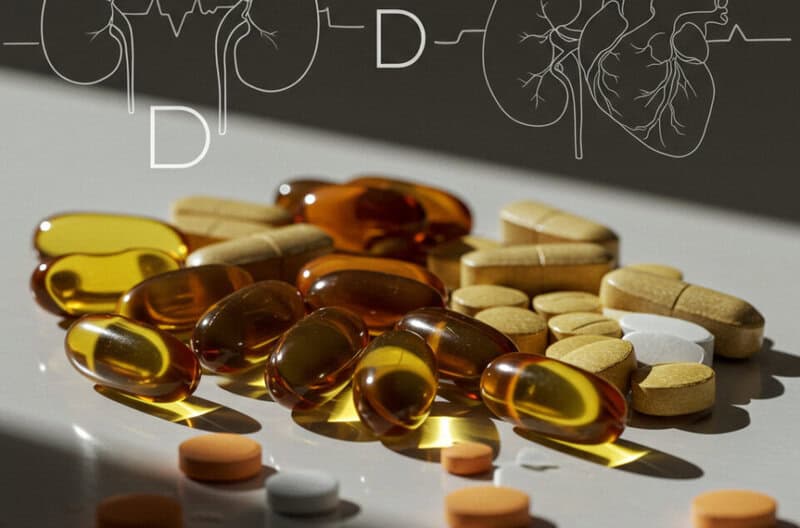
The use of vitamin D supplements has surged in recent years, with nearly 20% of adults in the US taking daily doses, and supplement sales in the UK increasing by 28% from 2018 to 2022 (CDC, NutraIngredients). While vitamin D is essential, excessive intake often goes unnoticed and can silently cause serious harm to multiple organs. The greatest risk stems from late detection, when irreversible damage—especially to the kidneys and heart—may already have occurred.
1. Hypercalcemia

One of the most significant risks associated with excessive vitamin D intake is hypercalcemia, a condition where blood calcium levels become abnormally high. Vitamin D enhances calcium absorption in the gut, and when present in excess, it can push calcium levels beyond what the body can safely manage. Hypercalcemia can lead to a spectrum of symptoms, ranging from mild to severe, including frequent urination, excessive thirst, nausea, vomiting, constipation, muscle weakness, and confusion. In more serious cases, it can precipitate cardiac arrhythmias, kidney stones, or even life-threatening kidney failure. Because hypercalcemia symptoms are often non-specific and develop gradually, the underlying vitamin D toxicity may remain undetected for months. This delay in diagnosis increases the risk of permanent organ damage. According to the National Institutes of Health, vitamin D-induced hypercalcemia is a growing concern as supplement use rises. Medical professionals urge caution, as blood calcium and vitamin D levels should be monitored in individuals taking high-dose supplements, especially those without a proven deficiency. For more information on the symptoms and dangers of hypercalcemia, visit the Mayo Clinic resource.
2. Kidney Stones

Excessive vitamin D intake not only raises blood calcium but also significantly increases calcium excretion in the urine, a process known as hypercalciuria. This condition is a well-established risk factor for the development of kidney stones. When there is too much calcium in the urine, it can crystallize and form hard deposits, leading to kidney stones that are often extremely painful and may require medical intervention. Symptoms of kidney stones include sudden severe pain in the back or side, blood in the urine, nausea, and frequent urges to urinate. If left untreated, stones can block the urinary tract, causing infections or kidney damage.
Research published in the journal Kidney International has highlighted the association between high-dose vitamin D supplementation and an increased risk of kidney stone formation, particularly in populations already susceptible to urinary calcium excretion. The Centers for Disease Control and Prevention (CDC) also warns that the risk escalates when vitamin D is combined with high calcium intake from food or other supplements. Monitoring both vitamin D and calcium intake is essential for those at risk, as the consequences of kidney stones can include repeated procedures and chronic kidney issues.
3. Kidney Injury

Vitamin D toxicity can have serious consequences for kidney health, and in severe cases may lead to kidney injury. When vitamin D levels are excessively high, the resulting hypercalcemia puts significant strain on the kidneys, which are responsible for filtering excess calcium from the blood. Persistently elevated calcium levels can cause deposits to form within the kidney tissue, a condition known as nephrocalcinosis. Over time, these deposits interfere with the kidney’s filtering capability, leading to progressive loss of kidney function.
If left unchecked, this process can advance to kidney injury, where the kidneys can no longer effectively remove waste and balance fluids and electrolytes in the body. Symptoms can range from fatigue and swelling to dangerous electrolyte imbalances and potentially life-threatening complications. Individuals with pre-existing kidney disease are at an even higher risk, as their kidneys are already compromised. The National Kidney Foundation recommends consulting a healthcare professional before starting vitamin D supplements, especially for those with kidney concerns.
4. Bone Pain and Fragility

Although vitamin D is essential for healthy bones, excessive intake may contribute to bone pain and increased bone fragility, although bone complaints are not a classic presentation of vitamin D excess. Excess vitamin D can raise blood calcium, which may disturb the balance of calcium and phosphate in the body and, in severe cases, promote bone resorption, a process where calcium is leached from bones into the bloodstream. This may result in symptoms such as diffuse or localized bone pain, muscle aches, and an increased susceptibility to fractures, even from minor injuries.
Prolonged exposure to very high levels of vitamin D can also suppress parathyroid hormone (PTH), a critical regulator for bone remodeling. Suppression of PTH further impairs bone mineralization, compounding the risk of osteoporosis and bone brittleness. Recent studies, including one published in Frontiers in Endocrinology, have observed that individuals with vitamin D toxicity sometimes present with bone-related complaints rather than classic signs of hypercalcemia. The NHS also cautions against high-dose supplementation, noting that overuse may ultimately undermine the very bone health it is intended to protect. Appropriate dosing and regular monitoring are key to preventing these paradoxical effects.
5. Cardiac Arrhythmias

Severe hypercalcemia from excessive vitamin D can, in rare cases, disrupt the normal electrical conduction system of the heart, resulting in cardiac arrhythmias. Calcium plays a critical role in generating and transmitting electrical impulses within cardiac muscle cells. When calcium concentrations rise above normal, these electrical signals can become erratic, causing abnormal heart rhythms. Symptoms may include palpitations, dizziness, chest pain, or even sudden loss of consciousness. Dangerous heart rhythm disturbances are a rare consequence of severe hypercalcemia from vitamin D overdose.
Medical literature, such as a case review in the journal Circulation: Arrhythmia and Electrophysiology, has documented instances where vitamin D toxicity-induced hypercalcemia triggered serious arrhythmias and required urgent intervention. Individuals with underlying heart conditions, the elderly, and those on medications that affect heart rhythm are especially vulnerable. The American Heart Association emphasizes the importance of regular monitoring for those taking vitamin D supplements, particularly at higher doses. Recognizing early symptoms and seeking prompt medical attention is vital.
6. Gastrointestinal Disturbances

Gastrointestinal issues are among the earliest and most common symptoms of excessive vitamin D intake. When vitamin D levels become too high, the resulting hypercalcemia can irritate the digestive system, leading to symptoms such as nausea, vomiting, abdominal pain, and constipation. These symptoms may be mistaken for common gastrointestinal disorders, making vitamin D toxicity harder to recognize in its early stages. In some cases, individuals may also experience loss of appetite, dehydration, and unintentional weight loss as a result of persistent digestive discomfort.
Research highlighted in the NIH Office of Dietary Supplements fact sheet indicates that gastrointestinal disturbances are often among the first warning signs of vitamin D overuse. Continued high intake can exacerbate these symptoms and contribute to more serious complications, such as pancreatitis or intestinal obstruction, especially if dehydration becomes severe. According to the Mayo Clinic, it is important to consider vitamin D toxicity in the differential diagnosis of unexplained, persistent gastrointestinal symptoms, particularly in individuals who use supplements above recommended dosages. Early recognition and intervention are key to preventing further complications and restoring digestive health.
7. Muscle Weakness

Although vitamin D is vital for maintaining muscle health, excessive intake can paradoxically result in muscle weakness. High levels of vitamin D lead to hypercalcemia, which disrupts the normal balance of calcium and phosphate in muscle cells. This imbalance can impair muscle contraction and nerve signaling, manifesting as generalized weakness, fatigue, and even muscle pain or cramps. In severe cases, individuals may experience difficulties with basic activities such as walking, climbing stairs, or lifting objects.
Research published in the Journal of Clinical Endocrinology & Metabolism found that vitamin D toxicity can cause neuromuscular symptoms, particularly in older adults who are already at risk of falls and fractures. Strikingly, muscle weakness may sometimes be the first or only symptom of chronic vitamin D overuse, preceding more obvious complications like kidney or heart issues. The NHS emphasizes that while sufficient vitamin D improves muscle strength, excessive supplementation reverses these benefits and increases injury risk. Monitoring both vitamin D intake and serum levels is crucial, especially for those self-medicating with high-dose supplements, to prevent this paradoxical decline in muscle function.
8. Mental Confusion

Vitamin D toxicity is increasingly recognized as a cause of mental confusion and other cognitive disturbances. When excess vitamin D raises blood calcium to dangerous levels, the brain’s delicate chemical balance is disrupted, potentially impairing normal neuronal signaling and brain function. Symptoms can range from mild confusion, forgetfulness, and difficulty concentrating to more severe manifestations such as disorientation, agitation, and even delirium. In elderly individuals, these cognitive effects are often mistaken for dementia or the natural aging process, delaying accurate diagnosis and intervention.
According to a clinical review published by the National Institutes of Health, hypercalcemia-induced encephalopathy is a well-documented complication of vitamin D toxicity. This condition is reversible if detected early, but prolonged exposure to high calcium levels can cause lasting cognitive deficits. The Alzheimer’s Society notes that while vitamin D is crucial for brain health, overuse can be harmful, especially in those at risk of cognitive decline. Awareness of these subtle mental changes and prompt assessment of vitamin D and calcium status are essential for timely treatment and prevention of permanent neurological damage.
9. Polyuria (Excessive Urination)

One of the classic signs of vitamin D toxicity is polyuria, or excessive urination. When vitamin D intake is too high, it leads to elevated blood calcium levels (hypercalcemia), which directly affects kidney function. The kidneys attempt to rid the body of the surplus calcium by increasing urine production. This process, while protective in the short term, can result in persistent and pronounced urination, often accompanied by intense thirst (polydipsia). Sufferers may notice they are waking frequently at night to urinate, and the condition can be disruptive to daily life.
Increased urine output can quickly lead to dehydration, creating a cycle of thirst and further fluid loss. Chronic dehydration also places additional strain on the kidneys, potentially accelerating kidney damage if the underlying vitamin D toxicity is not addressed. According to the Indian Journal of Nephrology, polyuria is a frequent but often overlooked early warning sign of vitamin D overdose. The Cleveland Clinic notes that unexplained increases in urination should prompt consideration of recent supplement use and laboratory testing, as timely intervention can prevent serious complications.
10. Dehydration

Dehydration is a significant and potentially dangerous consequence of excessive vitamin D intake. The body’s effort to eliminate excess calcium through increased urination (polyuria) can rapidly deplete fluid reserves. This loss is often compounded by gastrointestinal symptoms such as vomiting and, occasionally, diarrhea, both of which are common early signs of vitamin D toxicity. As fluid is lost more quickly than it can be replaced, dehydration sets in, presenting with symptoms like dry mouth, reduced skin elasticity, dizziness, rapid heartbeat, and confusion.
Chronic dehydration not only affects general well-being but also places tremendous strain on the kidneys, further elevating the risk of kidney stones and acute renal failure. The Frontiers in Endocrinology journal highlights that dehydration secondary to hypercalcemia is a common clinical scenario in vitamin D overdose and often serves as an important clue for diagnosis. The Mayo Clinic warns that severe dehydration can rapidly become life-threatening, especially in older adults and children. Maintaining hydration and seeking prompt medical evaluation are vital if signs of dehydration develop during vitamin D supplementation.
11. Loss of Appetite

A loss of appetite is a subtle but noteworthy symptom of vitamin D toxicity that can easily be overlooked. Elevated levels of vitamin D, and the resulting hypercalcemia, can disrupt digestive processes and appetite-regulating hormones, leading to reduced desire for food. This suppression of appetite is often gradual, making it difficult to connect to excessive vitamin D intake, particularly in those who are otherwise healthy. Over time, persistent loss of appetite can contribute to unintentional weight loss, weakness, and nutritional deficiencies.
Studies published in the Journal of Medical Case Reports document that appetite loss is frequently associated with other gastrointestinal symptoms such as nausea, vomiting, and abdominal pain in patients with vitamin D toxicity. This constellation of symptoms may be misattributed to stress, minor illness, or age-related changes, especially in older adults. The Mount Sinai Health Library emphasizes that unexplained appetite loss warrants careful evaluation, including a review of supplement use and blood calcium levels. Early detection of this subtle warning sign can prompt timely medical intervention, preventing progression to more serious complications of vitamin D excess.
12. Pancreatitis

Pancreatitis, or inflammation of the pancreas, is a rare but serious complication that can arise from hypercalcemia caused by excessive vitamin D intake. Hypercalcemia is a recognized but rare cause of acute pancreatitis. Symptoms often begin suddenly and may include severe upper abdominal pain radiating to the back, nausea, vomiting, fever, and a rapid pulse. In some cases, pancreatitis can become life-threatening, requiring hospitalization and intensive care.
The Pancreapedia review notes that hypercalcemia-induced pancreatitis should be considered in individuals presenting with unexplained abdominal pain and a history of high-dose vitamin D supplementation. Early recognition and cessation of vitamin D intake, along with aggressive management of hypercalcemia, are crucial in preventing serious pancreatic and systemic complications.
13. Stomach Ulcers

Hypercalcemia from excessive vitamin D has been proposed to increase stomach acid and may rarely contribute to stomach ulcers, but this link is not well established. Elevated blood calcium may increase gastrin, a hormone that increases gastric acid secretion in the stomach. Excess acid can erode the protective mucosal lining, making the stomach more susceptible to ulcer formation. Individuals experiencing vitamin D toxicity may notice symptoms such as burning abdominal pain, nausea, bloating, or even vomiting blood if ulcers bleed.
The Mayo Clinic also notes that stomach ulcers may develop or worsen with imbalances in calcium and acid secretion. While stomach ulcers from vitamin D toxicity are relatively rare, they can be serious, leading to complications such as perforation or bleeding. Anyone experiencing persistent stomach pain or digestive distress while taking high-dose vitamin D should seek medical attention to rule out ulcer disease and prevent further gastrointestinal harm.
14. Fatigue

Fatigue is a commonly overlooked symptom of vitamin D toxicity, yet it can be both persistent and debilitating. When excessive vitamin D leads to hypercalcemia, the body’s metabolic balance is disrupted, impacting numerous organ systems and cellular processes. This disruption can result in a constant feeling of tiredness, lack of energy, or a sense of being unwell, even if sleep and nutrition are otherwise adequate. Fatigue may also coexist with other symptoms such as muscle weakness, mental confusion, or gastrointestinal distress, but it can also occur in isolation, making it challenging to attribute to vitamin D excess.
Research published in the National Institutes of Health database identifies fatigue as one of the most frequent presenting complaints in cases of vitamin D toxicity. The Centers for Disease Control and Prevention (CDC) also caution that unexplained or prolonged tiredness should prompt a review of supplement use and laboratory testing for calcium and vitamin D levels. Recognizing fatigue as a potential warning sign, especially when it is disproportionate to lifestyle factors, can enable earlier diagnosis and prevention of more severe complications related to excessive vitamin D intake.
15. Excessive Thirst

Excessive thirst, or polydipsia, is a hallmark symptom of hypercalcemia resulting from vitamin D toxicity. When vitamin D levels become excessively high, the resulting elevation in blood calcium disrupts the kidneys’ ability to concentrate urine. This leads to increased urine output (polyuria), causing the body to lose more water than usual. In response, the thirst mechanism is triggered in an attempt to maintain proper hydration and electrolyte balance. Individuals may find themselves drinking unusually large amounts of water or other fluids throughout the day and night.
Medical case studies, such as those cited by the Indian Journal of Nephrology, emphasize that persistent thirst, particularly when paired with frequent urination, should raise suspicion of an underlying metabolic imbalance like vitamin D-induced hypercalcemia. The Mount Sinai Health Library further explains that excessive thirst can be an early warning sign, prompting individuals to seek medical evaluation before more serious complications develop. It is crucial not to ignore this symptom during vitamin D supplementation, as prompt recognition and treatment of hypercalcemia can prevent dehydration, kidney damage, and other life-threatening consequences.
16. Hearing Loss

Hearing loss has rarely been reported with vitamin D excess, but this is not an established effect. The underlying mechanism is thought to involve hypercalcemia, where elevated calcium levels may disrupt the ion balance within the inner ear. The cochlea, a crucial part of the auditory system, relies on precise calcium regulation for normal nerve signaling and sensory cell function. When too much calcium accumulates, it may interfere with these processes, resulting in hearing impairment or tinnitus (ringing in the ears).
The Hearing Loss Association of America notes that metabolic disturbances, including those from high calcium, can adversely affect hearing health. Although hearing loss linked to vitamin D toxicity is uncommon and poorly documented, it highlights the broad and sometimes unexpected ways in which excessive supplementation can impact the body. Prompt evaluation and management are essential if new auditory symptoms develop during high-dose vitamin D use.
17. High Blood Pressure

Evidence linking excessive vitamin D supplementation to high blood pressure (hypertension) is limited. Hypercalcemia may affect blood pressure in some cases, though the proposed mechanisms, including vasoconstriction and fluid retention, are speculative and not established consensus.
Evidence linking vitamin D excess to high blood pressure is limited, although hypercalcemia may affect blood pressure in some cases. Left unchecked, high blood pressure can contribute to serious complications such as stroke, heart attack, and chronic kidney disease. Individuals on vitamin D supplements, especially at high doses, should have their blood pressure and serum calcium monitored regularly. Early recognition of rising blood pressure can prompt adjustments in supplementation and prevent long-term cardiovascular harm.
18. Vascular Calcification

Vascular calcification refers to the abnormal deposition of calcium in the walls of blood vessels, a process that can be accelerated by excessive vitamin D intake. When vitamin D levels are too high, the increased calcium absorption and circulation can result in calcium being deposited not only in bones but also in soft tissues, including arteries and veins. This stiffening of blood vessel walls reduces their elasticity, making it more difficult for the cardiovascular system to regulate blood flow and pressure efficiently.
Vascular calcification is a major risk factor for the development of hypertension, heart failure, and atherosclerosis, as highlighted in research published in the Frontiers in Endocrinology. The American Heart Association (AHA) notes that this condition is particularly concerning in individuals with chronic kidney disease or existing cardiovascular risks, but it can also occur in otherwise healthy individuals when vitamin D is taken in toxic amounts. Early signs are often silent, but advanced vascular calcification can lead to chest pain, reduced exercise tolerance, and increased risk of heart attack or stroke. Regular monitoring and moderation of vitamin D intake are crucial to prevent this serious complication.
19. Increased Risk of Falls

Excessive vitamin D intake may paradoxically increase the risk of falls, particularly among older adults. While adequate vitamin D is essential for bone and muscle health, toxic levels can disrupt calcium balance and neuromuscular function. Hypercalcemia from vitamin D toxicity impairs nerve signaling and muscle contraction, leading to muscle weakness, unsteadiness, and slower reflexes. Additionally, bone pain and fragility, common in vitamin D excess, can further reduce mobility and confidence in walking or standing, heightening fall risk.
Research published in the BMJ found that high doses of vitamin D supplementation were associated with a greater incidence of falls and fractures, challenging the notion that “more is better.” The NHS also cautions that taking too much vitamin D can lead to musculoskeletal issues that undermine balance and stability. For older adults or those with existing mobility limitations, these effects can be particularly dangerous, increasing the likelihood of injury, hospitalization, and loss of independence. Proper dosing and medical supervision are key to ensuring that vitamin D supplementation supports, rather than jeopardizes, musculoskeletal health and personal safety.
20. Itching and Skin Symptoms

Itching (pruritus) and other skin symptoms can occasionally signal vitamin D toxicity. High blood calcium levels, a consequence of excessive vitamin D, can affect the skin in several ways. Pruritus is thought to arise from calcium deposits forming in the skin or from the overall impact of hypercalcemia on nerve endings. Some individuals may also develop dryness, redness, or rashes, which can be localized or widespread. In rare cases, itchy skin is accompanied by other symptoms such as burning sensations, peeling, or hives, particularly if kidney function becomes impaired due to persistent toxicity.
Itching and skin changes have been described in vitamin D toxicity, but they are not established early signs of overdose. The Mount Sinai Health Library notes that persistent or unexplained itching should prompt investigation into metabolic causes, including vitamin D and calcium status. Evaluating unexplained skin changes promptly can help identify these causes.
21. Metallic Taste

A metallic taste in the mouth, also known as dysgeusia, can occur as a result of vitamin D toxicity, primarily due to the associated hypercalcemia. Elevated calcium levels can interfere with the normal function of taste buds or alter the composition of saliva, leading to a persistent metallic or bitter taste that is often described as unpleasant and difficult to ignore. This symptom may develop alongside other signs of vitamin D excess, such as nausea, loss of appetite, or gastrointestinal disturbances, but sometimes appears as an isolated complaint.
Case studies and clinical reviews, such as those referenced in the National Institutes of Health database, highlight that taste disturbances are a less commonly recognized but important manifestation of metabolic imbalances like hypercalcemia. The Mount Sinai Health Library advises that persistent or unexplained changes in taste should prompt further investigation, particularly if there is a history of supplement use. While a metallic taste is not specific to vitamin D toxicity, it serves as a warning sign that the body’s mineral balance may be disrupted. Addressing the underlying cause usually leads to resolution of the taste disturbance.
22. Mood Changes

Mood changes—including irritability, anxiety, and mood swings—are often overlooked yet important symptoms of vitamin D toxicity. Elevated calcium levels from excessive vitamin D disrupt the central nervous system’s delicate balance, which can lead to alterations in neurotransmitter activity and brain function. Individuals may notice increased irritability, episodes of unexplained agitation, heightened anxiety, or even depression. These emotional changes may occur alongside cognitive symptoms like confusion or memory loss, or they may present on their own, making the connection to vitamin D excess less obvious.
Clinical observations reported in the National Institutes of Health database have documented mood disturbances and psychiatric symptoms in patients with hypercalcemia due to vitamin D overdose. The Psychology Today resource on vitamin D and mental health also highlights the complex relationship between vitamin D, calcium, and emotional well-being. Recognizing mood changes as possible warning signs of toxicity is essential, especially for individuals who have recently increased their supplement intake. Prompt evaluation of vitamin D and calcium status can lead to early intervention, resolving both the mood symptoms and preventing more severe complications.
23. Phosphate Changes

While vitamin D is widely recognized for its role in calcium regulation, it can also affect phosphate levels in the body. Excessive vitamin D intake stimulates increased absorption of calcium and, to a variable degree, phosphate from the digestive tract. Excess vitamin D mainly raises blood calcium; phosphate changes are variable and not a consistent feature of vitamin D toxicity. When phosphate is elevated alongside high calcium, the combination can accelerate the deposition of mineral complexes in soft tissues, blood vessels, and organs, an effect that may increase the risk of vascular calcification, kidney stones, and organ dysfunction.
Because phosphate elevation is variable, its effects are most relevant for individuals with chronic kidney disease, whose bodies are already less efficient at excreting phosphate. Importantly, high phosphate levels are often silent, making routine laboratory monitoring essential for anyone on high-dose vitamin D supplements. Early detection and management are key to preventing long-term damage associated with combined calcium and phosphate excess.
24. Poor Wound Healing

Poor wound healing is an often unrecognized consequence of excessive vitamin D intake and the resulting disturbances in mineral balance. While vitamin D in normal amounts supports healthy skin and immune function, toxic levels promote hypercalcemia and, in some cases, hyperphosphatemia, which can impair cellular processes essential for tissue repair. High calcium can disrupt fibroblast activity and collagen synthesis—both crucial for the formation of new tissue—while also promoting abnormal calcification in the skin and underlying tissues. This can lead to delayed closure of wounds, increased risk of infection, and in some cases, chronic non-healing ulcers.
Clinical observations, such as those reported in the Frontiers in Endocrinology and NIH case studies, highlight that poor wound healing may be an early symptom of underlying vitamin D toxicity, particularly in older adults or those with pre-existing health conditions. The Mount Sinai Health Library suggests investigating metabolic imbalances, including vitamin D and calcium excess, in patients with unexplained delays in healing. Early recognition and correction of these imbalances can improve outcomes and restore normal skin repair processes.
25. Anemia

Anemia is not a common direct effect of vitamin D toxicity. In cases of kidney damage from vitamin D toxicity, it may develop downstream through impaired kidney function. The kidneys play an essential role in producing erythropoietin, a hormone that stimulates the bone marrow to produce red blood cells. When excessive vitamin D leads to hypercalcemia and subsequent kidney damage or failure, the production of erythropoietin may be reduced. This may impair the bone marrow’s ability to generate sufficient red blood cells, resulting in anemia, a condition marked by fatigue, weakness, pale skin, and shortness of breath.
Clinical literature, including a review in the NIH database, notes that chronic kidney injury from vitamin D toxicity is a recognized risk factor for anemia. The National Kidney Foundation explains that anemia is particularly common in individuals with chronic kidney disease, and excessive vitamin D supplementation can accelerate this process. Because anemia often develops gradually, it may be missed unless bloodwork is performed. Monitoring kidney function and red blood cell counts in those taking high-dose vitamin D is critical for early detection and prevention of this potentially serious complication.
26. Immune Function

While vitamin D is well-known for its role in supporting immune function, whether excessive intake affects immune function or infection risk is not established.
27. Liver Dysfunction

Liver dysfunction is a lesser-known but important risk associated with excessive vitamin D intake. The liver is a central organ for metabolizing vitamin D, converting it into its active and inactive forms. When overwhelmed by high doses from supplements, the liver may experience stress, leading to abnormal liver enzyme levels detectable in blood tests. This can manifest as mild asymptomatic enzyme elevations or, in rare cases, more severe hepatitis-like symptoms such as jaundice, abdominal pain, and fatigue.
Research and clinical case reports in the National Institutes of Health literature have documented instances where vitamin D toxicity contributed to liver enzyme abnormalities and, occasionally, acute liver injury. The British Liver Trust notes that people with pre-existing liver conditions may be especially vulnerable to the effects of excessive supplementation. Although outright liver failure from vitamin D toxicity is rare, persistently abnormal liver function tests in supplement users should prompt an evaluation of vitamin D and calcium intake. Early recognition and cessation of high-dose supplementation are critical for reversing liver stress and preventing long-term hepatic complications.
28. Vitamin K Deficiency

Excessive vitamin D intake can inadvertently contribute to a vitamin K deficiency, highlighting the complex interplay between different nutrients. Vitamin D increases calcium absorption in the gut and promotes its release into the bloodstream. For calcium to be properly utilized and deposited in bones rather than soft tissues and arteries, adequate levels of vitamin K are required. Vitamin K acts as a cofactor for proteins that help bind calcium to the bone matrix. When vitamin D is taken in large amounts without sufficient vitamin K, there is a higher risk of calcium being deposited in blood vessels and other tissues, leading to vascular calcification and related complications.
Recent research, such as that summarized in the Journal of Nutrition & Metabolism, demonstrates that vitamin D toxicity may exacerbate or unmask underlying vitamin K deficiency. The Healthline resource on vitamin D and K interactions further explains that maintaining a balance between these vitamins is crucial for cardiovascular and bone health. Individuals supplementing with high doses of vitamin D should be mindful of their vitamin K status and consider dietary sources or supplementation based on healthcare professional advice to avoid this secondary deficiency and its risks.
29. Arterial Stiffness

Arterial stiffness is a significant long-term consequence of excessive vitamin D intake and subsequent calcium imbalance. When vitamin D is chronically consumed in high doses, it increases calcium absorption far beyond physiological needs. This surplus calcium, especially in the context of vitamin K deficiency, can accumulate in the walls of arteries and other blood vessels, leading to a gradual loss of their natural elasticity. As arteries become stiffer, they are less able to expand and contract with each heartbeat, increasing the workload on the heart and possibly contributing to hypertension, heart failure, and other cardiovascular diseases. Evidence linking excess vitamin D to high blood pressure is limited.
Research published in the Frontiers in Endocrinology and studies referenced by the American Heart Association (AHA) have established a link between hypercalcemia, vascular calcification, and arterial stiffness, particularly in older adults and those with kidney disease. Early signs of arterial stiffness are often silent, but over time, affected individuals may experience high blood pressure, reduced exercise tolerance, and increased risk of cardiovascular events. Regular monitoring of calcium and vitamin D levels, alongside mindful supplementation practices, is essential to protect long-term arterial health and prevent irreversible vascular changes.
30. Increased Cancer Risk

While vitamin D is often promoted for its potential in cancer prevention, evidence on vitamin D and cancer is mixed. There is insufficient evidence that high doses prevent cancer, and research on excess intake is limited. Some studies have observed a U-shaped relationship between vitamin D levels and cancer incidence, though this is not established.
A review published in the Frontiers in Endocrinology discusses these complex associations, emphasizing the need for caution with high-dose supplementation. The American Cancer Society also notes that while moderate vitamin D is important for health, there is insufficient evidence to support megadoses for cancer prevention. As research continues, it is increasingly clear that maintaining vitamin D within recommended ranges is essential for minimizing overall cancer risk and avoiding unintended negative health consequences.
31. Delayed Growth in Children

Excessive vitamin D intake can have serious consequences for children’s growth and bone development. While vitamin D is essential for proper bone mineralization, too much can lead to elevated blood calcium that disrupts the normal formation and remodeling of growing bones. In children, this imbalance can result in premature closure of the growth plates (epiphyses), leading to stunted or delayed growth and, in severe cases, permanent short stature. Other symptoms may include bone pain, muscle weakness, and an increased risk of fractures even with minor trauma.
Case studies summarized in the Indian Journal of Nephrology and clinical guidance from the NHS warn that children are particularly vulnerable to vitamin D toxicity due to their ongoing bone growth and metabolic sensitivity. Excessive supplementation, often from well-intentioned but unsupervised dosing, poses unique risks during critical periods of skeletal development. Monitoring vitamin D intake, especially in infants and young children, and consulting healthcare providers before administering supplements, are essential steps to avoiding delayed growth and ensuring healthy childhood development.
32. Stopping High-Dose Supplements

Anyone who has been taking high-dose vitamin D should discuss stopping it with a healthcare professional before making changes.
33. Drug Interactions

Excessive vitamin D supplementation can lead to dangerous drug interactions, particularly with medications commonly prescribed for chronic conditions. Vitamin D increases calcium absorption, which can interfere with a variety of drugs. For example, hypercalcemia from high vitamin D doses can increase the risk of toxicity from digoxin, a heart medication. Thiazide diuretics, often used to treat high blood pressure, also increase calcium reabsorption in the kidneys, compounding the risk of hypercalcemia when combined with high vitamin D doses.
Anticonvulsants, glucocorticoids, and some weight-loss drugs can alter vitamin D metabolism, requiring careful adjustment of supplement dosages. According to the NIH Office of Dietary Supplements and the Mayo Clinic, vitamin D can also interact with statins, affecting cholesterol management, and with certain antibiotics, potentially reducing their efficacy. Health professionals recommend a thorough review of all medications and supplements with a healthcare provider before starting or increasing vitamin D doses. Understanding potential interactions is crucial to avoiding adverse effects, ensuring medication effectiveness, and maintaining safe mineral and vitamin levels in the body.
34. Thyroid Dysfunction

Excessive vitamin D intake can disrupt the intricate balance of thyroid and parathyroid hormones, leading to various thyroid dysfunctions. Vitamin D plays a key role in calcium regulation, which is closely linked to parathyroid hormone (PTH) secretion. High vitamin D levels suppress PTH, sometimes to the point of causing hypoparathyroidism—a condition where low PTH reduces calcium mobilization from bones and impairs normal calcium balance. In turn, these disruptions can affect the thyroid gland’s activity and the body’s metabolic rate.
Further, some studies, such as those summarized in the Frontiers in Endocrinology, indicate that excessive vitamin D may contribute to altered thyroid hormone production and increase the risk of subclinical thyroid dysfunction, particularly in those with preexisting thyroid disorders. The American Thyroid Association recommends regular monitoring of thyroid and calcium levels in individuals taking high-dose vitamin D supplements, as symptoms of dysfunction—such as fatigue, weight changes, and mood disturbances—may overlap with those of vitamin D toxicity. Maintaining a careful balance and consulting healthcare providers is essential for supporting both thyroid and overall endocrine health.
35. Eye Issues

Excessive vitamin D intake and the resulting hypercalcemia can have adverse effects on eye health and vision. Elevated calcium levels may lead to the deposition of calcium in ocular tissues, particularly in the cornea and conjunctiva, resulting in a condition known as band keratopathy. This disorder is characterized by the appearance of grayish or whitish lines on the surface of the eye, which can impair vision if left untreated. Patients may experience symptoms such as blurred vision, eye discomfort, irritation, or sensitivity to light.
Case reports and reviews, including those referenced by the Frontiers in Endocrinology, describe ocular calcification as a rare but recognized complication of prolonged hypercalcemia, sometimes linked to vitamin D toxicity. The American Academy of Ophthalmology advises that unexplained eye symptoms or changes in vision in individuals taking high-dose vitamin D should prompt a thorough evaluation of calcium and vitamin D status. Early intervention can help prevent permanent vision impairment and restore ocular health. Regular eye exams and monitoring are especially important for those on long-term or high-dose supplementation.
36. Sensitivity to Sunlight

Sensitivity to sunlight can be an unusual but notable effect of excessive vitamin D intake. While the body naturally synthesizes vitamin D in response to ultraviolet (UV) exposure, high circulating levels of vitamin D from supplements may alter the skin’s normal response to sunlight. Some individuals report increased susceptibility to sunburn, skin irritation, or rashes after even brief sun exposure. This heightened sensitivity is thought to be related to changes in skin cell turnover, immune function, and calcium metabolism, all of which are influenced by elevated vitamin D and calcium levels.
Clinical observations, including those in the Frontiers in Endocrinology, suggest that vitamin D toxicity may disrupt the skin’s barrier function, making it more reactive to UV light. Whether excess vitamin D affects immune defense is not established. The American Academy of Dermatology advises that unexplained increases in sun sensitivity, particularly when accompanied by other symptoms of vitamin D excess, should prompt a review of supplement use and laboratory testing. Moderating vitamin D intake and practicing safe sun exposure can help restore normal skin responses and prevent further complications.
37. Sleep Disturbances

Sleep disturbances have been reported as a potential consequence of vitamin D toxicity. While adequate vitamin D supports healthy sleep cycles by influencing the production of melatonin, excessive levels can disrupt this delicate hormonal balance. Hypercalcemia, resulting from too much vitamin D, may cause symptoms such as nocturia (frequent nighttime urination), muscle cramps, and general restlessness—all of which can make it difficult to fall asleep or stay asleep throughout the night. Additionally, neurological symptoms linked to vitamin D toxicity, such as anxiety and mental confusion, may further impair sleep quality and duration.
Research highlighted in the National Institutes of Health database describes the relationship between disturbed calcium metabolism and sleep disorders. The Sleep Foundation notes that both vitamin D deficiency and excess can negatively affect sleep patterns, emphasizing the importance of maintaining optimal levels. Individuals experiencing new or unexplained insomnia, frequent awakenings, or changes in sleep quality while taking vitamin D supplements should consult a healthcare provider for evaluation. Adjusting vitamin D intake to within recommended limits can help restore healthy sleep and prevent further complications.
38. Nerve Effects

Nerve effects are a possible concern with vitamin D toxicity, primarily because sustained hypercalcemia can affect the nervous system. Calcium ions play a critical role in the transmission of electrical impulses along nerves. When blood calcium levels become excessively high, as can occur with vitamin D overdose, it may interfere with the normal polarization and depolarization of nerve cells. This disruption may slow nerve conduction, possibly causing symptoms such as numbness, tingling (paresthesia), muscle twitching, or muscle weakness and loss of coordination.
Hypercalcemia can affect nerve function, but whether vitamin D toxicity specifically causes peripheral neuropathy or seizures is not well established. Any unexplained neurological symptoms in someone taking high-dose supplements warrant prompt evaluation. Monitoring vitamin D and calcium levels is critical in anyone experiencing unexplained neurological symptoms, especially if they are taking high-dose supplements.
39. Impaired Glucose Tolerance

Impaired glucose tolerance is a possible but unconfirmed concern with excessive vitamin D intake. Some studies have associated vitamin D status with glucose tolerance, but evidence that excess vitamin D causes impaired glucose tolerance is limited. Proposed mechanisms involve effects of high calcium on insulin secretion and insulin sensitivity, though these are not established.
Some studies have documented links between both vitamin D deficiency and excess and glucose tolerance, but evidence of a causal effect of excess is limited. Symptoms such as increased thirst, frequent urination, and fatigue may overlap with blood sugar problems, and whether excess vitamin D raises the risk of prediabetes or type 2 diabetes is not established. The Centers for Disease Control and Prevention (CDC) notes that impaired glucose tolerance is a risk factor for future diabetes and related complications. Monitoring vitamin D intake, especially in individuals with a personal or family history of metabolic disorders, is crucial to maintaining healthy blood sugar levels and preventing long-term complications.
40. Menstrual Irregularities

Evidence linking excessive vitamin D intake to menstrual irregularities is limited and not established. Women with unexplained changes in menstrual flow, missed periods, or cycle lengths while using vitamin D supplements should consult a clinician for evaluation.
Evidence on vitamin D levels and reproductive health is limited, so staying within recommended ranges is the general advice.
41. Oral Health

Evidence does not establish that excessive vitamin D causes gum disease, gum bleeding or receding gums. Anyone who notices unexplained changes in gum health should seek dental and medical evaluation.
42. Increased Risk in Elderly

Older adults are particularly vulnerable to the risks associated with excessive vitamin D intake. Age-related changes in kidney function reduce the body’s ability to excrete excess calcium, making seniors more susceptible to hypercalcemia and its complications, such as kidney stones, dehydration, and acute renal failure. The elderly are also more likely to take multiple medications that can interact with vitamin D, further increasing the risk of adverse effects and drug interactions.
Additionally, older adults often have pre-existing health conditions—such as cardiovascular disease, osteoporosis, and diabetes—that can be exacerbated by vitamin D toxicity. Research summarized in the Frontiers in Endocrinology highlights that high-dose vitamin D supplementation is associated with a greater incidence of falls, fractures, and neuropsychiatric symptoms in the elderly. The National Institute on Aging recommends careful monitoring of vitamin D levels in seniors, emphasizing moderation and regular blood tests to avoid both deficiency and toxicity. Given their increased susceptibility, it is crucial for elderly individuals to consult healthcare providers before starting or adjusting vitamin D supplementation.
43. Pregnancy Complications

Excessive vitamin D intake during pregnancy can pose risks to both the expectant mother and the developing baby. While adequate vitamin D is essential for maternal bone health and fetal skeletal development, excessive supplementation can cause hypercalcemia. Pregnant people should not exceed the recommended upper limit and should consult a clinician before starting or increasing high-dose use.
Research highlighted in the Frontiers in Endocrinology underscores the importance of maintaining vitamin D within recommended levels during pregnancy to avoid toxicity. Careful prenatal monitoring, moderate dosing, and medical supervision are crucial to ensure a healthy pregnancy and optimal outcomes for both mother and child.
44. Other Essential Nutrients

Some have proposed that excess vitamin D could affect the absorption of magnesium and zinc through competition with calcium, but this mechanism is speculative and not established. Magnesium is crucial for over 300 enzymatic reactions, including those involved in vitamin D metabolism itself, while zinc is essential for immune function, wound healing, and DNA synthesis.
45. Allergic Reactions

Allergic reactions are a potential but often overlooked risk of vitamin D supplementation, particularly due to additives and excipients commonly found in over-the-counter products. Many vitamin D supplements contain fillers, preservatives, colorants, or binders, any of which can provoke allergic responses in sensitive individuals. Symptoms of an allergic reaction may include rash, itching, swelling of the face or throat, difficulty breathing, or gastrointestinal upset such as nausea and diarrhea. In rare cases, a severe reaction known as anaphylaxis can occur, requiring immediate medical attention.
Reports in the Frontiers in Endocrinology and guidance from the Mayo Clinic emphasize the importance of reading ingredient labels carefully and selecting hypoallergenic formulations when possible. Individuals with known allergies or sensitivities should consult a healthcare provider before starting any new supplement, including vitamin D. If unusual symptoms develop after beginning a vitamin D regimen, discontinuation and medical evaluation are recommended. Awareness of the potential for allergic reactions—both to vitamin D itself (in extremely rare cases) and to supplement additives—can help prevent serious adverse events and ensure safe supplementation practices.
46. Headaches

Headaches are a common but nonspecific symptom that can occur with vitamin D toxicity. While headaches can stem from numerous causes, excessive vitamin D intake may contribute through its effects on calcium metabolism and fluid balance. Hypercalcemia, the hallmark of vitamin D toxicity, can cause dehydration and changes in intracranial pressure, both of which are known triggers for headaches. Additionally, associated symptoms such as nausea, mental confusion, and eye discomfort may further exacerbate headache severity and frequency.
Clinical observations and reviews in the Frontiers in Endocrinology note that headaches are among the early warning signs of vitamin D overdose, particularly when accompanied by other nonspecific symptoms like fatigue, thirst, or gastrointestinal upset. The Mayo Clinic advises individuals experiencing persistent or severe headaches while taking vitamin D supplements to seek medical evaluation, as laboratory testing can help determine if vitamin D or calcium excess is the culprit. Timely recognition and intervention can prevent the progression to more serious complications and help restore overall well-being.
47. Adverse Cosmetic Changes

Excessive vitamin D intake can cause adverse cosmetic changes, affecting both skin and hair. High levels of vitamin D and the resulting hypercalcemia may disrupt normal cellular turnover, leading to dryness, flakiness, or abnormal pigmentation of the skin. Some individuals develop persistent itching, peeling, or even a rash, often mistaken for eczema or other dermatological conditions. In rare cases, calcium deposits can form in the skin (calcinosis cutis), resulting in hard, raised bumps that are both unsightly and uncomfortable.
Vitamin D toxicity can also contribute to hair changes, including increased hair shedding or abnormal hair texture. Disruption of mineral balance and possible interference with other nutrients, such as zinc and magnesium, are thought to underlie these effects. Reports in the Frontiers in Endocrinology and advice from the American Academy of Dermatology emphasize that unexplained skin or hair changes in individuals taking vitamin D supplements warrant a review of dosing and laboratory evaluation. Early recognition and correction of vitamin D excess can help restore healthy skin and hair, preventing lasting cosmetic or dermatological issues.
48. Unintentional Overdose

Unintentional overdose of vitamin D is a growing concern, often resulting from mistakes in dosing or mislabeled supplements. Many over-the-counter vitamin D products vary in strength, and some may contain more vitamin D than indicated on the label due to manufacturing inconsistencies. Users may inadvertently take higher doses than recommended, especially if they combine multiple supplements or fail to check serving sizes. Additionally, dosing errors are common when liquid formulations or high-potency drops are used, as a single drop can contain thousands of international units (IU).
Reports in the Frontiers in Endocrinology and alerts from the U.S. Food and Drug Administration (FDA) highlight cases of accidental vitamin D toxicity linked to mislabeled or contaminated supplements. Symptoms of overdose may develop gradually and include fatigue, nausea, muscle weakness, and more severe complications such as kidney damage. To reduce risk, it is important to purchase supplements from reputable sources, read labels carefully, and consult healthcare professionals before starting high-dose regimens. Routine monitoring and awareness are key to preventing unintentional vitamin D overdose and its serious health consequences.
49. Laboratory Testing Challenges

Accurately diagnosing vitamin D toxicity presents several laboratory testing challenges. Blood tests commonly measure 25-hydroxyvitamin D (25[OH]D) as an indicator of vitamin D status, but levels can vary due to differences in laboratory methods, assay sensitivity, and individual biological factors. High-dose supplementation may also skew results, as some assays are less accurate at very elevated concentrations. Moreover, serum calcium, phosphate, and parathyroid hormone (PTH) levels are often used to corroborate toxicity, but these markers may remain within normal limits until toxicity is advanced, leading to delayed or missed diagnosis.
Research published in Frontiers in Endocrinology and guidance from the NIH Office of Dietary Supplements highlight the need for standardized assays and careful interpretation of laboratory data in the context of symptoms and supplement history. Interference from other factors—such as liver or kidney disease, medications, or laboratory error—can further complicate diagnosis. Clinicians are encouraged to use a combination of clinical evaluation, patient history, and multiple laboratory markers to ensure accurate detection and timely management of vitamin D toxicity, minimizing the risk of missed or false diagnoses.
50. Delayed Onset of Symptoms

One of the most insidious aspects of vitamin D toxicity is the delayed onset of symptoms. Unlike acute poisoning, the effects of excessive vitamin D intake often develop gradually, sometimes over weeks or months. This slow progression occurs because vitamin D is fat-soluble and accumulates in body tissues, particularly when taken in large amounts over extended periods. Early symptoms such as mild fatigue, headache, or gastrointestinal disturbances are vague and easily mistaken for minor illnesses or daily stress, making it difficult for individuals and healthcare providers to recognize the underlying cause.
According to research in the Frontiers in Endocrinology and safety advice from the NHS, the gradual buildup of vitamin D and calcium can mask the true risk, allowing irreversible organ damage—such as kidney failure or vascular calcification—to occur before overt symptoms prompt medical evaluation. The subtlety and delay in symptom onset highlight the importance of routine monitoring for those taking supplements, especially at higher doses. Recognizing that toxicity may remain hidden until advanced, individuals should avoid self-medicating with high-dose vitamin D and seek professional guidance for safe supplementation.
Conclusion

The overlooked risks of excessive vitamin D use highlight the urgent need for awareness and caution in supplementation. As vitamin D toxicity can silently cause irreversible harm, it is vital for individuals—especially those in at-risk groups—to regularly review their supplement use and understand the proper dosage. Routine blood testing for vitamin D and calcium levels, or consultation with a qualified healthcare professional, is strongly recommended to prevent complications. For more information, consult resources from the CDC or NIH. Safe, informed supplementation ensures that the benefits of vitamin D are realized without exposing yourself to its overlooked and potentially serious risks.
Disclaimer
The information provided in this article is for general informational purposes only. While we strive to keep the information up-to-date and correct, we make no representations or warranties of any kind, express or implied, about the completeness, accuracy, reliability, suitability, or availability with respect to the article or the information, products, services, or related graphics contained in the article for any purpose. Any reliance you place on such information is therefore strictly at your own risk.
In no event will we be liable for any loss or damage including without limitation, indirect or consequential loss or damage, or any loss or damage whatsoever arising from loss of data or profits arising out of, or in connection with, the use of this article.
Through this article you are able to link to other websites which are not under our control. We have no control over the nature, content, and availability of those sites. The inclusion of any links does not necessarily imply a recommendation or endorse the views expressed within them.
Every effort is made to keep the article up and running smoothly. However, we take no responsibility for, and will not be liable for, the article being temporarily unavailable due to technical issues beyond our control.
.article-content-img img { width: 100% }About the author
Keep reading

15 Signs of Liver Disease You Can See

15 Mistakes Measuring Your Blood Pressure

15 Visible Signs of Hyperthyroidism (Graves Disease) You Can See

15 Signs of Iron Deficiency You Can See
Advertisement