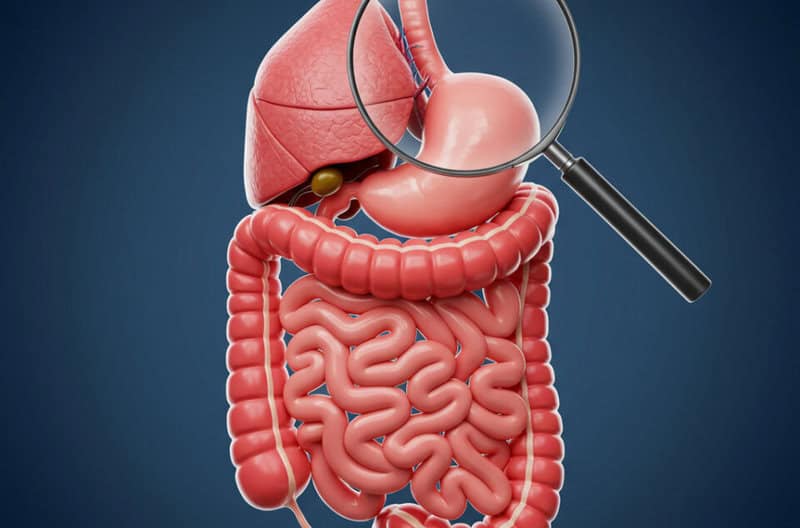
According to the National Institute of Diabetes and Digestive and Kidney Diseases, an estimated 60 to 70 million Americans are affected by digestive diseases. The digestive system, a complex network from the mouth to the intestines, plays a crucial role in overall health. However, many digestive problems present subtle or unusual symptoms, leading to late or missed diagnoses. Recognizing overlooked signs is vital to early intervention and prevention of serious complications.
1. Rumination Syndrome

Rumination syndrome is a little-known digestive disorder characterized by the effortless regurgitation of recently eaten food, which is then re-chewed, re-swallowed, or spit out. Unlike vomiting, this regurgitation is not accompanied by nausea or retching and typically occurs within minutes of eating. The exact cause is not fully understood, but it is believed to involve an involuntary contraction of the abdominal muscles, often linked to behavioral or psychological factors, as well as learned responses after gastrointestinal illness.
Subtle signs of rumination syndrome often go unnoticed or are misattributed to more common issues like acid reflux or eating disorders. Individuals may experience frequent indigestion, sour taste in the mouth, or unexplained weight loss. Because the process can be discreet, especially in adults who may hide their symptoms due to embarrassment, diagnosis is frequently delayed. Doctors stress the importance of recognizing these unique patterns, particularly when standard treatments for reflux or nausea fail to resolve symptoms. For more information, refer to the Mayo Clinic’s overview of rumination syndrome.
2. Bile Acid Malabsorption

Bile acid malabsorption (BAM) is a lesser-known digestive disorder in which the small intestine fails to properly reabsorb bile acids, causing them to spill into the colon. This leads to irritation and chronic watery diarrhea, a symptom often misdiagnosed as irritable bowel syndrome (IBS). In fact, research suggests that up to one-third of people with IBS with diarrhea may actually have BAM, making awareness of this condition crucial for accurate diagnosis and treatment.
What sets BAM apart from typical IBS is the persistence and timing of diarrhea, which often occurs soon after eating or in the morning. Other distinguishing symptoms include an urgent need to defecate, bloating, abdominal cramping, and, in some cases, unexplained weight loss. Some patients also report greasy or pale stools due to fat malabsorption. Because standard IBS treatments may not help, ongoing symptoms should prompt further evaluation. The SeHCAT scan is the main test for bile acid diarrhea, but it is available only through specialist referral and is not offered everywhere. For more detailed information on symptoms and diagnosis, visit the Guts UK guide to bile acid malabsorption.
3. Eosinophilic Esophagitis

Eosinophilic esophagitis (EoE) is a chronic immune condition marked by an accumulation of eosinophils—a type of white blood cell—in the lining of the esophagus. This inflammation is usually triggered by allergic reactions to certain foods or environmental allergens. Over time, EoE leads to stiffening and narrowing of the esophagus, which can make swallowing difficult and uncomfortable. Despite its rising prevalence, EoE is often mistaken for gastroesophageal reflux disease (GERD) due to overlapping symptoms, such as heartburn, chest pain, and food getting stuck after swallowing.
What distinguishes EoE from typical reflux is its strong link to allergies and the presence of persistent swallowing difficulties despite the use of acid-suppressing medications. People with EoE frequently have a history of allergies, asthma, or eczema. In children, symptoms may include poor growth, abdominal pain, and vomiting, while adults more commonly report food impaction and a sensation of food sticking in the throat. If left untreated, EoE can continue to damage the esophagus and cause it to narrow; the long-term complications are not fully understood. To learn more about how EoE is diagnosed and managed, visit the Cedars-Sinai guide on eosinophilic esophagitis.
4. Gastroparesis

Gastroparesis is a digestive disorder in which the stomach’s ability to empty its contents is slowed or stopped without any physical blockage. This delayed stomach emptying is often linked to damage of the vagus nerve, which controls stomach muscles. Diabetes is a primary risk factor, as chronic high blood sugar can impair nerve function. Viral infections, surgery, and certain medications can also trigger gastroparesis, though in many cases the exact cause remains unknown.
Early symptoms of gastroparesis are often subtle and easily dismissed as routine digestive discomfort. Patients may experience mild bloating, early satiety (feeling full after just a few bites), and occasional nausea. As the disorder progresses, symptoms can worsen to include persistent vomiting, weight loss, and fluctuations in blood sugar levels, especially in diabetics. Because symptoms overlap with more common gastrointestinal issues like acid reflux or indigestion, diagnosis is frequently delayed. Recognizing recurring patterns, especially in individuals with diabetes, is essential. For an in-depth look at symptoms, causes, and available tests, refer to the National Institute of Diabetes and Digestive and Kidney Diseases’ resource on gastroparesis.
5. Superior Mesenteric Artery Syndrome

Superior Mesenteric Artery (SMA) Syndrome is a rare but serious digestive disorder in which the third part of the duodenum (the first section of the small intestine) is compressed between the aorta and the superior mesenteric artery. This vascular compression narrows the space through which food passes, leading to partial or complete obstruction. The condition most often arises after significant or rapid weight loss, which causes the fat pad that cushions the duodenum to shrink, tightening the angle between the arteries.
Symptoms of SMA syndrome include severe abdominal pain, especially after meals, nausea, vomiting, early satiety, and unintentional weight loss. Because these symptoms are non-specific and can mimic other gastrointestinal disorders like peptic ulcers, eating disorders, or functional dyspepsia, SMA syndrome is frequently overlooked or misdiagnosed. Delayed diagnosis can lead to malnutrition and further health complications. Imaging studies such as CT scans or upper GI series are usually required for accurate detection. To learn more about this rare syndrome and its management, visit the National Organization for Rare Disorders’ page on Superior Mesenteric Artery Syndrome.
6. Chronic Intestinal Pseudo-Obstruction

Chronic Intestinal Pseudo-Obstruction (CIPO) is a rare and severe digestive disorder where nerve or muscle dysfunction impairs the movement of food, fluid, and air through the intestines. Despite mimicking the symptoms of a physical blockage—such as abdominal pain, bloating, nausea, vomiting, and severe constipation or diarrhea—no actual obstruction is found. The condition can be congenital or acquired, with causes ranging from autoimmune diseases and infections to degenerative nerve or muscle disorders.
Diagnosing CIPO is particularly challenging because its symptoms are indistinguishable from those of a true bowel obstruction. Routine imaging may show dilated bowel loops and air-fluid levels, but no physical blockage is detected. This can lead to multiple inconclusive investigations and unnecessary surgeries. Subtle signs that may point to CIPO include a longstanding history of severe gastrointestinal symptoms, frequent hospitalizations for suspected bowel obstruction, and poor response to standard treatments. Early identification is crucial, as CIPO can lead to life-threatening complications like malnutrition and sepsis. Comprehensive diagnostic workups, including motility studies and full-thickness biopsies, are often necessary. For more information on symptoms, diagnosis, and treatment, visit the NIH Genetic and Rare Diseases Information Center’s resource on CIPO.
7. Exocrine Pancreatic Insufficiency

Exocrine Pancreatic Insufficiency (EPI) is a condition in which the pancreas fails to produce enough digestive enzymes needed to properly break down fats, proteins, and carbohydrates in the small intestine. As a result, the body cannot absorb essential nutrients, leading to malnutrition and a variety of gastrointestinal symptoms. EPI can be caused by chronic pancreatitis, cystic fibrosis, pancreatic cancer, or other conditions that damage the pancreas.
One of the hallmark but easily overlooked symptoms of EPI is steatorrhea—pale, oily, or foul-smelling stools that may float and are difficult to flush. Other subtle signs include bloating, excessive gas, abdominal discomfort, unexplained weight loss, and deficiencies in fat-soluble vitamins (A, D, E, K). Because these symptoms are nonspecific, EPI is often misdiagnosed as irritable bowel syndrome or lactose intolerance. Early identification is crucial for preventing long-term complications such as osteoporosis and severe malnutrition. Diagnosis may involve stool tests, blood work, and imaging studies. For further information on recognizing and managing EPI, visit the National Pancreas Foundation’s page on Exocrine Pancreatic Insufficiency.
8. SIBO (Small Intestinal Bacterial Overgrowth)

Small Intestinal Bacterial Overgrowth (SIBO) occurs when excessive amounts of bacteria, typically found in the colon, begin to proliferate in the small intestine. This overgrowth disrupts normal digestion and absorption of nutrients, leading to a host of gastrointestinal symptoms. SIBO is often mistaken for irritable bowel syndrome (IBS) because both share symptoms such as bloating, abdominal pain, diarrhea, and constipation. In fact, SIBO overlaps with IBS, and some patients with IBS-type symptoms may have SIBO; the proportion of IBS cases caused by SIBO is uncertain.
Clues that point toward SIBO rather than IBS include prominent bloating soon after eating, excessive flatulence, and foul-smelling stools. Patients may also experience unexplained weight loss and symptoms of vitamin and mineral deficiencies, particularly vitamin B12, due to malabsorption. Fatigue and skin rashes can also be present as a result of nutrient depletion. Because SIBO symptoms are so similar to other digestive disorders, it is frequently overlooked. Diagnosis is typically confirmed through breath tests that measure hydrogen and methane production after ingesting certain sugars. For a comprehensive overview of symptoms, testing, and treatment, visit the Johns Hopkins Medicine guide to SIBO.
9. Gastric Antral Vascular Ectasia (GAVE, ‘Watermelon Stomach’)

Gastric Antral Vascular Ectasia (GAVE), commonly known as “watermelon stomach,” is a rare condition characterized by dilated small blood vessels in the antrum of the stomach. These vessels are prone to bleeding, leading to chronic blood loss over time. The name “watermelon stomach” comes from the endoscopic appearance, where red streaks radiate out from the stomach’s entrance, resembling the stripes of a watermelon. GAVE is most often seen in older adults and is associated with autoimmune diseases, liver cirrhosis, and connective tissue disorders.
One of the most significant complications of GAVE is chronic iron-deficiency anemia due to persistent, often unnoticed, gastrointestinal bleeding. Symptoms may include fatigue, paleness, shortness of breath, or black, tarry stools. Because bleeding is slow and the symptoms are nonspecific, GAVE is frequently mistaken for more common causes of stomach bleeding, such as peptic ulcers or gastritis. Diagnosis is usually made via endoscopy, which reveals the characteristic vascular pattern. Awareness of this condition is important for appropriate treatment, which may involve endoscopic therapies or medications. For more details on GAVE and its management, visit the NIH Genetic and Rare Diseases Information Center’s page on GAVE.
10. Lymphocytic Colitis

Lymphocytic colitis is a form of microscopic colitis, a condition characterized by chronic inflammation of the colon that can only be identified by examining tissue samples under a microscope. The disorder gets its name from the increased presence of lymphocytes, a type of white blood cell, in the colon lining. Unlike other types of colitis, lymphocytic colitis does not cause visible abnormalities during a colonoscopy, which makes diagnosis particularly challenging and often leads to overlooked or misattributed symptoms.
The hallmark symptom of lymphocytic colitis is chronic, non-bloody, watery diarrhea that can persist for weeks or months. Patients may also experience abdominal cramping, urgency, and sometimes mild weight loss. Because the colon often appears normal on standard imaging and endoscopic exams, patients may be misdiagnosed with irritable bowel syndrome or other functional bowel disorders. Diagnosis requires taking biopsies of the colon and analyzing them for microscopic changes. Recognizing persistent diarrhea that does not respond to typical treatments is crucial for early detection. For further information on diagnosis and management, visit the Mayo Clinic’s guide to microscopic colitis.
11. Fructose Malabsorption

Fructose malabsorption is a digestive condition in which the small intestine struggles to absorb fructose, a natural sugar found in fruits, honey, and many sweeteners such as high-fructose corn syrup. When fructose is not absorbed properly, it passes into the colon, where it is fermented by bacteria, producing gas and drawing water into the bowels. This process leads to gastrointestinal symptoms that closely mimic other disorders, including irritable bowel syndrome (IBS).
Symptoms of fructose malabsorption include bloating, excessive gas, abdominal pain, nausea, and diarrhea. Some individuals may also experience fatigue or headaches after consuming fructose-rich foods. Because these symptoms are nonspecific and overlap with lactose intolerance and IBS, fructose malabsorption is frequently misdiagnosed or overlooked. Fructose malabsorption is often assessed with hydrogen breath testing after fructose ingestion, though the cited page does not confirm this. Dietary management, such as reducing intake of high-fructose foods, is the primary treatment approach. Awareness of this condition is important for anyone experiencing persistent digestive symptoms after eating fruit, juices, or processed foods containing sweeteners. For additional details on fructose malabsorption, visit the Mount Sinai’s resource on fructose intolerance.
12. Cyclic Vomiting Syndrome

Cyclic Vomiting Syndrome (CVS) is a rare but debilitating disorder characterized by recurrent episodes of severe vomiting, separated by periods of normal health. Each episode typically begins abruptly and can last from a few hours to several days, often resulting in dehydration and the need for emergency medical care. While the exact cause of CVS remains unclear, certain triggers such as stress, excitement, infections, or specific foods are frequently reported by patients. The disorder is seen in both children and adults, though it is more commonly recognized in pediatric populations.
CVS shares strong connections with migraine headaches, and many patients or their family members have a history of migraines. This overlap suggests a possible neurological component, and some treatments used for migraines, such as anti-migraine medications, may provide relief. Diagnosing CVS can be difficult because its symptoms are similar to those of gastrointestinal infections, food poisoning, or other digestive disorders. The key to diagnosis is recognizing the recurrent, stereotypical pattern of vomiting episodes with symptom-free intervals. Early identification can lead to better management and prevention of complications. For comprehensive information on CVS, visit the NIH Genetic and Rare Diseases Information Center’s page on Cyclic Vomiting Syndrome.
13. Autoimmune Gastritis

Autoimmune gastritis is a chronic inflammatory condition in which the immune system mistakenly attacks the cells lining the stomach, particularly those responsible for producing stomach acid and intrinsic factor—a protein essential for vitamin B12 absorption. Over time, this immune response leads to the gradual destruction of gastric tissue, reduced acid production, and impaired absorption of key nutrients, especially vitamin B12.
The most significant long-term consequence of autoimmune gastritis is vitamin B12 deficiency, which can result in pernicious anemia. Early symptoms are often subtle and easily attributed to other causes, including persistent fatigue, weakness, pale skin, tingling or numbness in the hands and feet, and memory problems. Some individuals may also experience mild digestive symptoms such as bloating, nausea, or loss of appetite. Because the onset is gradual and the symptoms nonspecific, autoimmune gastritis is frequently overlooked until more severe complications develop, such as neurological impairment or increased risk of stomach cancer. Blood tests for B12 levels, antibodies, and endoscopic biopsies may be required for diagnosis. For a deeper understanding of autoimmune gastritis and its management, visit the Mayo Clinic’s guide to pernicious anemia, which discusses the condition’s connection to autoimmune gastritis.
14. Intestinal Angioedema

Intestinal angioedema is a rare condition marked by sudden swelling of the intestinal wall, typically resulting from allergic reactions, hereditary angioedema, or as a side effect of certain medications like ACE inhibitors. This swelling can severely disrupt normal digestion and cause intense abdominal pain, nausea, vomiting, and sometimes diarrhea. Because the onset is abrupt and symptoms are severe, intestinal angioedema is often mistaken for an acute surgical abdomen, such as appendicitis or a bowel obstruction, frequently leading to unnecessary surgical interventions.
Unlike other causes of acute abdominal pain, intestinal angioedema may be accompanied by swelling in other parts of the body, such as the face, lips, or extremities. Some patients also report a history of allergic reactions or recent medication changes as a clue. Symptoms typically resolve spontaneously within 24 to 72 hours once the underlying trigger is addressed. Diagnosis is challenging and often requires imaging, such as a CT scan, which may show characteristic thickening of the intestinal wall. Prompt recognition is vital to prevent complications and avoid unnecessary surgeries. For more information about symptoms, causes, and management, see the National Institutes of Health article on intestinal angioedema.
15. Fecal Impaction

Fecal impaction is a serious digestive condition in which a large, hardened mass of stool becomes stuck in the colon or rectum, creating a physical blockage that the body cannot pass naturally. This problem occurs most frequently in elderly individuals, patients with limited mobility, or those taking certain medications that slow bowel movements, such as opioids or anticholinergics. Dehydration, chronic constipation, and neurological disorders can also increase the risk of impaction.
Symptoms of fecal impaction can be confusing and are often misattributed to other conditions. While one might expect constipation to be the main sign, many patients actually experience paradoxical “overflow” diarrhea, where only liquid stool manages to leak around the impacted mass. Other signs include abdominal pain, nausea, bloating, loss of appetite, and even confusion—especially in older adults. Because overflow diarrhea can be mistaken for regular diarrhea, the underlying impaction may go undetected, leading to serious complications such as bowel perforation or infection. Diagnosis typically requires a digital rectal exam or imaging studies. For more detailed information on recognizing and treating fecal impaction, visit the Merck Manual’s guide to fecal impaction.
16. Zollinger-Ellison Syndrome

Zollinger-Ellison Syndrome (ZES) is a rare digestive disorder caused by gastrin-secreting tumors, known as gastrinomas, typically found in the pancreas or duodenum. These tumors produce excessive amounts of gastrin, a hormone that stimulates the stomach to secrete large quantities of acid. The result is hyperacidity, which can lead to severe peptic ulcers in the stomach and small intestine, often in unusual locations or in large numbers. ZES may also be associated with the genetic condition multiple endocrine neoplasia type 1 (MEN1).
Chronic, recurrent or severe peptic ulcers, especially without H. pylori infection or NSAID use, should raise suspicion of Zollinger-Ellison Syndrome, which often also causes chronic diarrhea. Other symptoms include abdominal pain, chronic diarrhea, heartburn, and sometimes weight loss. Because these symptoms overlap with more common gastrointestinal issues, ZES is frequently overlooked or mistaken for resistant peptic ulcer disease or gastroesophageal reflux disease (GERD). Early diagnosis is important to prevent complications and to guide management, which may include medication and surgical removal of tumors. For in-depth information on symptoms, diagnosis, and treatment, visit the National Institute of Diabetes and Digestive and Kidney Diseases’ page on Zollinger-Ellison Syndrome.
17. Brunner’s Gland Hyperplasia

Brunner’s gland hyperplasia is a rare, benign condition characterized by the overgrowth of Brunner’s glands, which are specialized structures located in the submucosa of the duodenum. These glands secrete alkaline mucus to protect the duodenal lining from stomach acid. In hyperplasia, the glands multiply excessively, forming nodules or polyps that can range in size from a few millimeters to several centimeters. While most cases are asymptomatic and discovered incidentally during endoscopy, larger growths may cause significant digestive symptoms.
The most common complications of Brunner’s gland hyperplasia are duodenal obstruction and gastrointestinal bleeding. Patients may experience symptoms such as abdominal pain, nausea, vomiting, and signs of partial or complete bowel blockage. In some cases, bleeding from ulceration of the overgrown tissue can lead to anemia, black or tarry stools, or visible blood in vomit. Because these symptoms overlap with more common conditions like peptic ulcer disease or tumors, diagnosis may be delayed. Endoscopic evaluation and biopsy are usually required for confirmation. For more information about Brunner’s gland hyperplasia, including diagnosis and management approaches, visit the National Institutes of Health article on Brunner’s gland hyperplasia.
18. Mesenteric Ischemia (Chronic)

Chronic mesenteric ischemia is a condition caused by a gradual reduction in blood flow to the intestines, typically due to narrowing or blockage of the mesenteric arteries from atherosclerosis. The decreased blood supply leads to insufficient oxygen delivery during times of increased demand, such as after eating. As a result, individuals often experience severe, cramping abdominal pain that starts within 30 to 60 minutes after meals and may persist for several hours. This pain can be so intense that people begin to avoid food, resulting in unintended weight loss and malnutrition.
Because chronic mesenteric ischemia develops slowly and its symptoms—abdominal pain, indigestion, and food aversion—are nonspecific, it is frequently misdiagnosed as anxiety, peptic ulcers, gallbladder disease, or functional gastrointestinal disorders. The classic “abdominal angina” pattern (pain after eating) is a critical diagnostic clue but is often overlooked, particularly in older adults or those with cardiovascular risk factors. Diagnosis requires a high index of suspicion and is confirmed through imaging studies such as CT angiography or Doppler ultrasound. Early recognition and intervention are vital to prevent progression to acute mesenteric ischemia, which can be life-threatening. For more details, see the Mayo Clinic’s resource on mesenteric ischemia.
19. Gastric Volvulus

Gastric volvulus is a rare but potentially life-threatening condition in which the stomach twists upon itself, leading to obstruction of the digestive tract and, in severe cases, compromised blood flow to the stomach tissue. This twisting can occur along different axes, resulting in either an organoaxial or mesenteroaxial volvulus. Gastric volvulus can present in both acute and chronic forms. Acute cases develop suddenly and are medical emergencies, while chronic cases may cause intermittent, less severe symptoms over time.
Acute gastric volvulus typically manifests with sudden, severe upper abdominal pain, persistent vomiting without relief, an inability to pass a nasogastric tube, and rapid abdominal distension. If not promptly recognized and treated, it can lead to tissue death, perforation, shock, and death. Chronic volvulus may present with vague symptoms including intermittent abdominal discomfort, bloating, and early satiety, often leading to misdiagnosis as other gastrointestinal disorders. Because the symptoms can mimic less urgent conditions, early detection is critical for preventing catastrophic complications. Diagnosis is confirmed via imaging, such as an upper gastrointestinal series or CT scan. For an in-depth look at gastric volvulus, visit the National Institutes of Health article on gastric volvulus.
20. Jackhammer Esophagus

Jackhammer esophagus, medically known as hypercontractile esophagus, is a rare motility disorder characterized by extremely powerful and prolonged contractions of the esophageal muscles during swallowing. These excessive spasms can cause intense chest pain and difficulty swallowing (dysphagia), often leading patients to seek emergency medical care. The chest pain caused by jackhammer esophagus can be so severe that it is frequently mistaken for a heart attack or other cardiac conditions, resulting in unnecessary cardiac workups before the true cause is identified.
Besides chest pain, symptoms may include a sensation of food getting stuck in the esophagus, regurgitation, and heartburn. The muscle contractions are typically detected during a special test called high-resolution esophageal manometry, which measures the strength and pattern of esophageal muscle activity. Because jackhammer esophagus is rare and its symptoms so closely mimic those of cardiac events, diagnosis is often delayed or missed entirely. Treatment may involve medications to relax the esophagus, dietary changes, or, in severe cases, endoscopic or surgical intervention. For more information about jackhammer esophagus, including symptoms, diagnosis, and treatment, visit the Mayo Clinic’s page on esophageal spasms.
21. Intestinal Lymphangiectasia

Intestinal lymphangiectasia is a rare disorder in which the lymphatic vessels of the small intestine become abnormally dilated, leading to leakage of lymph fluid into the gut. This leakage results in significant loss of proteins, fats, and lymphocytes, which can cause a range of serious health problems. The condition is most often diagnosed in children but can also affect adults. Primary (congenital) forms are present from birth, while secondary forms may develop due to other diseases that obstruct lymphatic flow.
The primary clinical features of intestinal lymphangiectasia include chronic diarrhea, swelling (edema) of the legs or face, and sometimes abdominal distension due to fluid accumulation (ascites). Because the body loses large amounts of protein through the gut, patients may develop low blood protein levels (hypoproteinemia) and associated symptoms such as fatigue, muscle wasting, and susceptibility to infections. In children, poor growth and delayed development are common. Diagnosis usually requires endoscopy with biopsy and specialized imaging to visualize the dilated lymphatic vessels. Early recognition is important for managing complications and improving quality of life. For a comprehensive overview of symptoms, diagnosis, and treatment, visit the NIH Genetic and Rare Diseases Information Center’s page on intestinal lymphangiectasia.
22. Collagenous Colitis

Collagenous colitis is a unique form of microscopic colitis characterized by the accumulation of a thick layer of collagen beneath the lining of the colon. This buildup leads to chronic inflammation and interferes with the normal function of the colon, resulting in persistent, watery, non-bloody diarrhea. The condition can affect individuals of any age but is most commonly seen in middle-aged and older adults, with a higher prevalence among women. Triggers may include certain medications, autoimmune diseases, or even infections, though the exact cause remains unclear.
Because the colon often appears normal during colonoscopy, collagenous colitis is frequently overlooked or misdiagnosed as irritable bowel syndrome or other functional bowel disorders. Diagnosis requires biopsy samples taken during colonoscopy, which are then examined under a microscope for the characteristic thickened collagen band. Other symptoms may include abdominal cramping, urgency, and mild weight loss. Early recognition and diagnosis are essential for effective management, which may include medication and dietary changes. For more information on symptoms, diagnosis, and treatment options, visit the Mayo Clinic’s guide to microscopic colitis.
23. Sucrase-Isomaltase Deficiency

Sucrase-isomaltase deficiency is a rare, inherited disorder in which the small intestine lacks sufficient levels of the enzymes sucrase and isomaltase. These enzymes are crucial for breaking down sucrose (table sugar) and certain starches into simpler sugars that can be absorbed. Without proper enzyme activity, undigested sugars pass into the colon, where they are fermented by bacteria, leading to gastrointestinal distress. This condition is also known as congenital sucrase-isomaltase deficiency (CSID).
Symptoms typically begin in infancy or early childhood when foods containing sucrose or starches are introduced, but some mild cases may not be diagnosed until adulthood. Common symptoms include chronic, watery diarrhea, abdominal bloating, excessive gas, and stomach cramps. In children, this can result in poor weight gain and failure to thrive, while adults may experience persistent digestive discomfort and mistakenly attribute symptoms to irritable bowel syndrome or food intolerances. Because these symptoms are non-specific and overlap with other gastrointestinal disorders, definitive diagnosis often requires specialized testing, such as enzyme assays from small intestine biopsies or breath tests. For a detailed overview on symptoms, testing, and management, visit the National Institute of Diabetes and Digestive and Kidney Diseases’ resource on sucrase-isomaltase deficiency.
24. Median Arcuate Ligament Syndrome

Median Arcuate Ligament Syndrome (MALS) is a rare vascular condition in which the median arcuate ligament, a fibrous band of the diaphragm, compresses the celiac artery and surrounding nerves. This compression reduces blood flow to the upper abdominal organs, especially after eating when the demand for blood increases. As a result, individuals with MALS often experience postprandial (after meal) abdominal pain, which can be severe enough to cause food aversion, unintentional weight loss, and, over time, malnutrition.
Diagnosing MALS is challenging because its symptoms—epigastric pain, nausea, vomiting, bloating, and weight loss—overlap with many more common gastrointestinal disorders such as gastritis, peptic ulcer disease, or irritable bowel syndrome. The pain is usually described as dull or aching and often worsens with eating or physical activity. Because standard exams and imaging may not reveal clear abnormalities, patients may undergo extensive testing before MALS is considered. Diagnosis is confirmed through specialized imaging techniques, such as Doppler ultrasound, CT angiography, or magnetic resonance angiography, which visualize the compressed celiac artery. Early recognition is crucial, as surgical intervention may significantly improve symptoms. For comprehensive information on MALS, visit the National Organization for Rare Disorders’ page on Median Arcuate Ligament Syndrome.
25. Abetalipoproteinemia

Abetalipoproteinemia is a rare, inherited disorder that severely impairs the body’s ability to absorb dietary fats, cholesterol, and fat-soluble vitamins. This condition is caused by mutations in the MTTP gene, which is essential for the assembly and secretion of lipoproteins—molecules that transport fats through the bloodstream. As a result, individuals with abetalipoproteinemia are unable to form chylomicrons and low-density lipoproteins (LDL), leading to fat malabsorption and deficiencies in vitamins A, D, E, and K.
One of the earliest signs of abetalipoproteinemia is chronic diarrhea with bulky, fatty (steatorrheic) stools, which often appear in infancy or early childhood. Over time, severe deficiencies in vitamin E and other fat-soluble vitamins can result in neurological complications, such as muscle weakness, poor coordination, progressive ataxia, and peripheral neuropathy. Other features may include failure to thrive, growth delay, retinitis pigmentosa (which can lead to vision loss), and anemia. Due to the overlap with other causes of malabsorption and neurological symptoms, diagnosis can be challenging and often requires specialized blood tests and genetic analysis. For more information on symptoms, diagnosis, and management, visit the NIH Genetic and Rare Diseases Information Center’s page on abetalipoproteinemia.
26. Pelvic Floor Dyssynergia

Pelvic floor dyssynergia is a functional bowel disorder characterized by the improper coordination of the muscles in the pelvic floor during attempts to defecate. Instead of relaxing, the pelvic muscles contract or fail to relax adequately, making it difficult to pass stool. This condition is a significant but often overlooked cause of chronic constipation, affecting both children and adults. Factors contributing to pelvic floor dyssynergia include learned behaviors, nerve dysfunction, or structural abnormalities.
Symptoms commonly include excessive straining, a sensation of incomplete evacuation, and the need for manual maneuvers or prolonged time on the toilet to pass stool. Because pelvic floor dyssynergia does not usually respond to standard laxatives or dietary fiber, patients may suffer for years without relief or proper diagnosis. Diagnosis typically involves specialized tests such as anorectal manometry, balloon expulsion tests, and defecography, which evaluate muscle function and coordination. Treatment focuses on biofeedback therapy, a specialized form of physical therapy that retrains the pelvic muscles to function correctly during bowel movements. Early intervention can significantly improve quality of life. For more on the diagnosis and management of pelvic floor dyssynergia, visit the Johns Hopkins Medicine guide to pelvic floor dysfunction.
27. Gastric Bezoars

Gastric bezoars are accumulations of indigestible material that form masses within the stomach, sometimes causing significant digestive symptoms. These masses can be composed of various substances, including hair (trichobezoars), plant fibers (phytobezoars), or medications (pharmacobezoars). Risk factors for developing gastric bezoars include conditions that impair stomach motility, such as diabetes (especially with gastroparesis), previous gastric surgery, or underlying neurological disorders. People with a history of psychiatric illness, such as trichotillomania or pica, are also at higher risk.
Symptoms of gastric bezoars are often subtle and may include a persistent feeling of fullness or bloating, early satiety, nausea, vomiting, abdominal pain, and, in severe cases, obstruction of the stomach or intestines. Because these symptoms overlap with more common gastrointestinal disorders, bezoars are frequently overlooked or misdiagnosed. Large bezoars can lead to complications such as ulcers, bleeding, or perforation if left untreated. Diagnosis is typically confirmed by imaging studies such as abdominal ultrasound, CT scan, or endoscopy, which can visualize the mass directly. For further information on types, causes, and treatment of gastric bezoars, visit the National Institutes of Health article on gastric bezoars.
28. Chylous Ascites

Chylous ascites is a rare condition characterized by the accumulation of lymphatic fluid, known as chyle, in the abdominal cavity. This fluid is rich in triglycerides and gives the ascitic fluid a distinctive milky or cloudy appearance. Chylous ascites occurs when the lymphatic vessels are damaged or obstructed, allowing chyle to leak into the peritoneal space. The most common causes include malignancies such as lymphoma or metastatic cancer, abdominal trauma, surgical injury, and certain infections or congenital abnormalities affecting the lymphatic system.
Symptoms of chylous ascites include progressive abdominal distension, discomfort, and, in some cases, shortness of breath due to increased intra-abdominal pressure. Patients may also experience symptoms related to protein loss, such as edema or malnutrition. Because the presentation is similar to other forms of ascites, diagnosis can be delayed unless the characteristic milky fluid is observed during paracentesis. Laboratory analysis of the ascitic fluid reveals high levels of triglycerides, confirming the diagnosis. Early identification of the underlying cause is crucial for effective management and to prevent recurrence. For more information about chylous ascites, its causes, and treatment options, visit the National Institutes of Health article on chylous ascites.
29. Tropical Sprue

Tropical sprue is an acquired malabsorption syndrome that primarily affects individuals living in or visiting certain tropical and subtropical regions, such as parts of South Asia, the Caribbean, and Central and South America. The exact cause remains unclear, but it is thought to involve chronic infection, possibly bacterial, which leads to inflammation and damage of the small intestine’s lining. This damage impairs nutrient absorption and can lead to deficiencies in vitamins and minerals.
The hallmark symptoms of tropical sprue are chronic, watery diarrhea, abdominal cramps, bloating, and significant weight loss. Over time, affected individuals may develop signs of malnutrition, including fatigue, glossitis (inflamed tongue), and anemia due to poor absorption of folate and vitamin B12. Because the symptoms and intestinal damage closely resemble those of celiac disease, tropical sprue is often misdiagnosed, especially in travelers returning from endemic areas. However, unlike celiac disease, tropical sprue does not improve with a gluten-free diet and responds instead to antibiotic therapy and vitamin supplementation. Diagnosis is based on clinical suspicion, history of travel or residence in tropical areas, and exclusion of other causes of malabsorption. For additional information, visit the MSD Manual’s guide to tropical sprue.
30. Intussusception in Adults

Intussusception occurs when one segment of the intestine telescopes into an adjacent segment, causing obstruction, reduced blood flow, and potentially tissue death. While intussusception is a well-recognized emergency in children, it is rare in adults and often overlooked as a cause of gastrointestinal symptoms. In adults, intussusception is usually triggered by an underlying lesion—such as a tumor, polyp, or scar tissue—that acts as a lead point for the telescoping process.
Symptoms of adult intussusception are often nonspecific and intermittent, including crampy abdominal pain, nausea, vomiting, bloating, and sometimes gastrointestinal bleeding. Because these symptoms are common in other acute abdominal emergencies—such as bowel obstruction, appendicitis, or diverticulitis—diagnosis can be delayed. Unlike the classic “currant jelly” stool seen in children, adults rarely present with this sign. Diagnosis typically requires imaging studies, with abdominal CT scans being the most sensitive tool for detection. Early recognition is important, as untreated intussusception can lead to bowel perforation and peritonitis. Treatment usually involves surgery, especially if a pathological lead point is found. For more details about adult intussusception, visit the National Institutes of Health article on intussusception in adults.
31. Biliary Dyskinesia

Biliary dyskinesia is a functional disorder in which the gallbladder does not empty properly, despite the absence of gallstones or structural abnormalities. This abnormal motility can cause intermittent obstruction of bile flow, leading to symptoms that closely mimic those of gallstone disease. The most common complaint is recurrent pain in the upper right quadrant of the abdomen, especially after eating fatty meals. The pain may radiate to the back or right shoulder and can be accompanied by nausea, bloating, and, occasionally, vomiting.
Diagnosis of biliary dyskinesia is often delayed because standard imaging tests, such as ultrasound or CT scans, usually appear normal and do not show gallstones or inflammation. As a result, symptoms are frequently attributed to functional dyspepsia, irritable bowel syndrome, or other gastrointestinal conditions. The diagnosis is typically made using a hepatobiliary iminodiacetic acid (HIDA) scan with cholecystokinin (CCK) stimulation, which measures the gallbladder’s ejection fraction. An abnormally low ejection fraction confirms the diagnosis. Early recognition can help prevent unnecessary suffering and guide appropriate management, which may include dietary changes or surgical removal of the gallbladder. For more details, visit the Cleveland Clinic’s guide to biliary dyskinesia.
32. Sphincter of Oddi Dysfunction

Sphincter of Oddi Dysfunction (SOD) is a disorder characterized by abnormal motility or spasm of the sphincter of Oddi, the muscular valve that regulates the flow of bile and pancreatic juice into the small intestine. When this sphincter fails to relax properly or contracts excessively, it can cause intermittent obstruction, leading to episodes of severe abdominal pain. The pain typically occurs in the upper right or middle abdomen, often after eating fatty meals, and can last from several minutes to a few hours.
SOD is more common in individuals who have previously had their gallbladder removed but can also occur in those with an intact gallbladder. In addition to pain, patients may experience nausea, vomiting, and, in some cases, abnormal liver or pancreatic enzyme levels during attacks. Because imaging studies such as ultrasound, CT scan, or MRI often appear normal, the diagnosis is frequently delayed or missed altogether. Specialized tests like sphincter of Oddi manometry during endoscopic retrograde cholangiopancreatography (ERCP) are needed for definitive diagnosis. For more about symptoms, diagnosis, and treatment options for this challenging condition, visit the Mayo Clinic’s resource on sphincter of Oddi dysfunction.
33. Carcinoid Syndrome

Carcinoid syndrome is a rare condition caused by hormone-secreting neuroendocrine tumors, commonly originating in the gastrointestinal tract or lungs. These tumors release substances such as serotonin, histamine, and other vasoactive amines directly into the bloodstream, leading to a constellation of unusual and often overlooked symptoms. The hallmark features of carcinoid syndrome include persistent, watery diarrhea, sudden episodes of skin flushing (especially of the face and neck), and, in advanced cases, wheezing or asthma-like symptoms.
One of the most distinctive aspects of carcinoid syndrome is its potential impact on the heart. Over time, circulating hormones can cause fibrous deposits on the heart valves, leading to carcinoid heart disease. This may present as unexplained heart murmurs, right-sided heart failure, or swelling of the legs. Because these symptoms can mimic more common conditions such as irritable bowel syndrome, menopause (due to flushing), or asthma, diagnosis is often delayed. Blood and urine tests for serotonin metabolites, as well as imaging and endoscopy, are used to confirm the diagnosis. For a comprehensive overview of symptoms, diagnostic methods, and treatment, visit the American Cancer Society’s page on gastrointestinal carcinoid tumors.
34. Food Protein-Induced Enterocolitis Syndrome (FPIES)

Food Protein-Induced Enterocolitis Syndrome (FPIES) is a rare but serious type of non-IgE-mediated food allergy that primarily affects infants and young children. Unlike typical food allergies that cause immediate hives or anaphylaxis, FPIES presents with delayed, severe gastrointestinal symptoms hours after consuming specific trigger foods—commonly cow’s milk, soy, rice, or oats. The hallmark features are repetitive, profuse vomiting, lethargy, and pallor, which can quickly escalate to dehydration and shock-like symptoms if not recognized and managed promptly.
FPIES episodes often start within 1 to 4 hours after food ingestion, with infants becoming pale, listless, and sometimes developing low blood pressure. Diarrhea may follow within several hours. Because the reaction does not involve the skin or respiratory tract and occurs with a delay, FPIES is frequently mistaken for severe viral gastroenteritis or sepsis, especially in emergency settings. Diagnosis is clinical, based on a detailed history and exclusion of other causes. Awareness is crucial for healthcare providers and parents, as prompt removal of the trigger food and supportive care can be lifesaving. For more about symptoms, diagnosis, and management, visit the American Academy of Allergy, Asthma & Immunology’s guide to FPIES.
35. Whipple’s Disease

Whipple’s disease is an extremely rare, chronic bacterial infection caused by Tropheryma whipplei that primarily affects the small intestine’s lining, severely impairing nutrient absorption. Although the digestive tract bears the brunt of the disease, Whipple’s can affect multiple organ systems, leading to a wide and confusing array of symptoms. Classic gastrointestinal signs include chronic diarrhea, abdominal pain, significant weight loss, and steatorrhea (fatty stools). Malabsorption often results in anemia and vitamin deficiencies.
Beyond the intestines, Whipple’s disease frequently involves the joints, with many patients experiencing migratory arthralgia—joint pain that moves from one joint to another. In more advanced cases, the infection can spread to the central nervous system, causing neurological symptoms such as cognitive changes, memory loss, muscle weakness, and even movement disorders or vision problems. Because its manifestations are so diverse and mimic other disorders, diagnosis is often delayed for years. Diagnosis relies on small bowel biopsy, polymerase chain reaction (PCR) testing, and identification of the characteristic bacteria in tissue samples. Early antibiotic treatment is crucial to prevent permanent damage or death. For comprehensive details on Whipple’s disease, visit the NIH Genetic and Rare Diseases Information Center’s page on Whipple’s disease.
36. Megacolon (including Toxic Megacolon)

Megacolon refers to an abnormal and significant dilation of the colon, resulting from either long-standing constipation, nerve dysfunction, or inflammatory diseases. The condition can be chronic or acute and ranges in severity from mild, asymptomatic enlargement to a rapidly progressive and life-threatening emergency known as toxic megacolon. Chronic megacolon often develops due to congenital nerve problems, such as Hirschsprung’s disease, or acquired conditions like Chagas disease or severe chronic constipation. Acute forms, particularly toxic megacolon, are most commonly associated with inflammatory bowel diseases such as ulcerative colitis or infections like Clostridioides difficile colitis.
Symptoms of megacolon include severe abdominal distension, pain, constipation, and, in toxic cases, fever, rapid heart rate, and signs of shock. Toxic megacolon is a medical emergency, as the massively dilated colon is at risk of perforation, leading to peritonitis and sepsis. Diagnosis is based on clinical presentation, abdominal X-rays, and laboratory findings. Prompt recognition and intervention—often including bowel rest, medications, or surgery—are critical to preventing fatal outcomes. For more information about megacolon, its causes, and emergency management, visit the MSD Manual’s page on toxic megacolon.
37. Malrotation with Volvulus

Malrotation with volvulus is a potentially life-threatening condition that arises from abnormal rotation and fixation of the intestines during fetal development. This congenital anomaly leaves the intestines improperly anchored within the abdomen, making them prone to twisting (volvulus) around the mesenteric artery. The twisting can abruptly cut off blood supply to large portions of the bowel, leading to ischemia, necrosis, and, if untreated, death of intestinal tissue.
Malrotation with volvulus is most commonly diagnosed in infants and young children, often presenting with sudden onset of bilious vomiting, severe abdominal pain, distension, and signs of shock. However, it can occur in older children and adults, where symptoms may be intermittent, less specific, and easily confused with other gastrointestinal disorders such as irritable bowel syndrome or chronic constipation. Early diagnosis is crucial, as delayed intervention dramatically increases the risk of bowel loss and life-threatening complications. Diagnosis often relies on imaging studies such as an upper gastrointestinal series or CT scan. Surgical treatment is urgent and lifesaving. For more on symptoms, diagnosis, and management, visit the Cincinnati Children’s Hospital guide to malrotation and volvulus.
38. Graft-versus-Host Disease (GI)

Gastrointestinal Graft-versus-Host Disease (GI GVHD) is a serious complication that can occur after an allogeneic stem cell or bone marrow transplant, when immune cells from the donor attack the recipient’s digestive tract. This immune response causes inflammation and damage to the lining of the gastrointestinal tract, ranging from the mouth to the rectum. GI GVHD most commonly manifests within the first few months after transplantation, but it can occur later as well.
The hallmark symptoms of GI GVHD include severe, persistent watery diarrhea, abdominal pain, cramping, nausea, vomiting, and, in some cases, gastrointestinal bleeding. Diarrhea may be voluminous and can lead to significant dehydration and electrolyte imbalances. Because these symptoms overlap with infections or medication side effects, early recognition is critical to prevent life-threatening complications such as malnutrition, sepsis, or perforation. Diagnosis involves clinical evaluation, endoscopy with biopsy, and exclusion of other causes. Prompt treatment with immunosuppressive medications can reduce inflammation and improve outcomes. For more about symptoms, diagnosis, and treatment options, visit the National Cancer Institute’s page on graft-versus-host disease and the Leukemia & Lymphoma Society’s GVHD resource.
39. Hereditary Angioedema (GI Attacks)

Hereditary angioedema (HAE) is a rare genetic disorder characterized by recurrent episodes of severe, localized swelling in various parts of the body, including the gastrointestinal tract. GI attacks occur when the lining of the stomach or intestines becomes suddenly and dramatically swollen, often without any obvious trigger. This swelling is due to a deficiency or dysfunction of the C1-inhibitor protein, leading to unregulated activation of a protein called bradykinin, which increases vascular permeability and fluid leakage into tissues.
During a gastrointestinal attack, patients experience intense, cramping abdominal pain, nausea, vomiting, and sometimes diarrhea. The pain may be so severe that it mimics a surgical emergency, such as appendicitis or bowel obstruction, frequently resulting in unnecessary hospital admissions or surgical evaluations. Attacks can last for several hours to days and often resolve spontaneously, but they are highly debilitating and can lead to dehydration and hypotension if untreated. Unlike typical allergic angioedema, HAE attacks are not associated with hives or itching. Early diagnosis is crucial for appropriate management with specific therapies, such as C1-inhibitor replacement or bradykinin receptor antagonists. For more information, visit the US Hereditary Angioedema Association’s guide to HAE.
40. Pyloric Stenosis in Adults

Pyloric stenosis in adults is a rare condition characterized by the narrowing of the pylorus, the outlet of the stomach that leads into the small intestine. While pyloric stenosis is more commonly diagnosed in infants, adult-onset cases can occur due to chronic peptic ulcer disease, scarring from previous ulcers, stomach tumors, or even certain inflammatory conditions. This narrowing impedes the normal passage of stomach contents, leading to a gradual buildup of symptoms over time.
Unlike the sudden, forceful vomiting seen in infants, adults with pyloric stenosis usually experience progressive symptoms such as upper abdominal fullness, bloating, nausea, persistent vomiting (often of undigested food eaten hours earlier), and unintentional weight loss. Because these symptoms closely resemble those of peptic ulcer disease or gastric outlet obstruction from other causes, the underlying stenosis is frequently overlooked or misdiagnosed. Diagnosis is typically made via upper gastrointestinal endoscopy, barium swallow, or CT imaging. Early recognition is important to prevent severe dehydration, electrolyte imbalances, and malnutrition. For more on causes, diagnosis, and available treatments for adult pyloric stenosis, see the National Institutes of Health article on adult pyloric stenosis.
41. Amyloidosis (GI Involvement)

Amyloidosis is a rare disorder in which abnormal protein fibers called amyloid accumulate in various tissues and organs, including the gastrointestinal (GI) tract. When amyloid proteins infiltrate the gut wall, they disrupt normal digestive function, leading to a range of chronic symptoms. GI involvement most commonly occurs in systemic forms of amyloidosis, such as AL (light-chain) or AA (secondary) amyloidosis, but can also be seen in hereditary variants.
Symptoms of GI amyloidosis are diverse and may include persistent diarrhea, constipation, abdominal pain, weight loss, early satiety, and malabsorption. Some patients develop gastrointestinal bleeding, protein-losing enteropathy, or even bowel obstruction. Because amyloidosis is a systemic disease, affected individuals may also show signs of heart, kidney, or nerve involvement, such as swelling, fatigue, irregular heartbeat, or neuropathy. The non-specific nature of symptoms often results in delayed diagnosis, especially since amyloidosis can mimic more common gastrointestinal and systemic illnesses. Diagnosis requires tissue biopsy stained with Congo red dye, revealing amyloid deposits under polarized light. For more information on GI amyloidosis, diagnosis, and management, visit the Mayo Clinic’s resource on amyloidosis.
42. Henoch-Schönlein Purpura (GI Form)

Henoch-Schönlein Purpura (HSP), also known as IgA vasculitis, is an immune-mediated disease characterized by inflammation of the small blood vessels, predominantly affecting children. While the classic features include a purplish skin rash (purpura), joint pain, and kidney involvement, HSP frequently affects the gastrointestinal (GI) tract as well. GI involvement occurs in up to 85% of cases, sometimes preceding the skin rash, which can complicate the diagnosis.
Abdominal pain is often the earliest and most prominent GI symptom, ranging from mild cramping to severe, colicky pain. This pain is caused by inflammation and swelling of the small vessel walls in the intestines, leading to reduced blood flow and, in some cases, segmental bowel ischemia. Other symptoms include nausea, vomiting, and GI bleeding, which may present as bloody stools or vomiting blood. Because abdominal pain and GI bleeding may mimic appendicitis, gastroenteritis, or inflammatory bowel disease, HSP is sometimes misdiagnosed. Early recognition is crucial for proper management and monitoring for complications such as intussusception or kidney involvement. For a comprehensive overview of HSP and its GI manifestations, visit the American College of Rheumatology’s resource on Henoch-Schönlein Purpura.
43. Hypergastrinemia from Chronic PPI Use

Hypergastrinemia refers to the condition of elevated gastrin hormone levels in the bloodstream. One increasingly recognized cause is the long-term use of proton pump inhibitors (PPIs), medications commonly prescribed for acid reflux, peptic ulcers, and other acid-related conditions. PPIs suppress stomach acid production, and in response, the body increases gastrin secretion to try to stimulate acid production. Over time, this can lead to persistently high gastrin levels, a condition known as hypergastrinemia.
Chronic hypergastrinemia may cause several complications. When PPIs are abruptly discontinued, patients often experience rebound acid hypersecretion, with intensified symptoms of heartburn and indigestion. Prolonged high gastrin levels may also stimulate overgrowth of certain cells in the stomach lining, increasing the risk for gastric polyps and, in rare cases, neuroendocrine tumors. Subtle symptoms, such as abdominal discomfort, bloating, or persistent acid symptoms despite therapy, may be overlooked. Routine monitoring is not typically performed, so hypergastrinemia can go undetected unless complications arise. For more information on the effects of chronic PPI use, potential risks, and safe medication management, see the Gastroenterology journal’s article on PPI complications and the FDA’s PPI safety information.
44. Olmesartan-Associated Enteropathy

Olmesartan-associated enteropathy is a rare but serious adverse reaction to olmesartan, a medication commonly prescribed to treat high blood pressure. This condition manifests as severe, chronic diarrhea and significant weight loss, often accompanied by abdominal pain, nausea, vomiting, and fatigue. The enteropathy typically develops months to years after starting the medication, making the connection between symptoms and the drug difficult to recognize.
What makes olmesartan-associated enteropathy particularly challenging is its striking resemblance to celiac disease. Both conditions feature villous atrophy—damage to the finger-like projections of the small intestine responsible for nutrient absorption—on biopsy. However, individuals with olmesartan-associated enteropathy do not improve on a gluten-free diet, nor do they have positive celiac disease antibody tests. Diagnosis is based on clinical suspicion, exclusion of other causes, and, most importantly, the resolution of symptoms after discontinuing olmesartan. Awareness of this drug reaction is crucial because misdiagnosis can lead to unnecessary dietary restrictions and a delay in the correct treatment. For more information on this condition, including case studies and clinical guidelines, visit the FDA’s safety communication on olmesartan-associated enteropathy and the National Institutes of Health article on olmesartan-induced enteropathy.
45. Chronic Appendicitis

Chronic appendicitis is an uncommon and often overlooked condition, and it is a poorly defined and debated one. It is sometimes described as long-term, low-grade inflammation of the appendix that may develop over weeks or months. This contrasts with the classic presentation of acute appendicitis, which involves sudden, severe right lower abdominal pain and often requires emergency surgery. The inflammation may wax and wane, leading to vague, persistent discomfort in the lower right quadrant of the abdomen. Patients may also report intermittent nausea, mild fever, digestive upset, or a feeling of abdominal fullness.
Because the symptoms of chronic appendicitis are nonspecific and less dramatic than those of the acute form, it is frequently misdiagnosed as irritable bowel syndrome, gynecological disorders, or other gastrointestinal complaints. Diagnosis can be challenging and is often made by exclusion after other conditions have been ruled out. Imaging studies such as an abdominal CT scan or ultrasound may show subtle thickening or swelling of the appendix. Persistent right lower abdominal pain should be evaluated by a doctor, who may consider surgical removal of the appendix. For more information about the subtle presentation, diagnosis, and management of chronic appendicitis, visit the National Institutes of Health article on chronic appendicitis and the Healthline guide to chronic appendicitis.
46. Motility Disorders from Parkinson’s Disease

Parkinson’s disease is widely recognized for its motor symptoms, such as tremors, rigidity, and slowed movement. However, this neurological disorder also significantly affects gastrointestinal motility, often leading to chronic digestive issues that may precede motor problems by years. The disease impacts the enteric nervous system—the “second brain” of the gut—resulting in slowed transit of food and waste through the digestive tract. Constipation is the most common gastrointestinal complaint, affecting up to 80% of Parkinson’s patients, and can be severe and persistent.
Other motility-related issues include delayed gastric emptying (gastroparesis), bloating, difficulty swallowing, and in rare cases, intestinal pseudo-obstruction. These symptoms may worsen medication absorption, create additional discomfort, and significantly reduce quality of life. Because constipation and digestive difficulties are so common and nonspecific, they are often misattributed to aging, dietary habits, or unrelated bowel disorders. Recognizing these symptoms as part of the Parkinson’s disease spectrum is crucial for providing comprehensive care. Management often involves dietary changes, increased fluid intake, physical activity, and sometimes medications or specialized therapies. For further information about GI involvement in Parkinson’s and recommended management strategies, visit the Parkinson’s Foundation guide to gastrointestinal symptoms.
47. Abdominal Migraine

Abdominal migraine is a poorly understood and underdiagnosed condition that causes recurrent episodes of moderate to severe stomach pain, most commonly in children but also recognized in adults. The pain is typically centered around the midline or belly button and may last from one to 72 hours, often accompanied by nausea, vomiting, loss of appetite, and pallor. Between episodes, individuals are usually completely symptom-free. Abdominal migraine is closely linked to classic (headache) migraine, with many patients or family members having a personal or family history of migraine headaches.
Diagnostic clues include the stereotypical, recurrent pattern of attacks, symptom-free intervals, and the absence of another identifiable cause of abdominal pain. Triggers may include stress, certain foods, lack of sleep, or hormonal changes. Because the symptoms are nonspecific and overlap with a variety of gastrointestinal disorders—such as irritable bowel syndrome, cyclic vomiting syndrome, or functional abdominal pain—abdominal migraine is often overlooked or misdiagnosed. Diagnosis is clinical, and management may include lifestyle modifications, trigger avoidance, and, in some cases, migraine medications. For more information on symptoms, diagnosis, and treatment, visit the Mayo Clinic’s page on abdominal migraine.
48. Aerophagia (Air Swallowing)

Aerophagia is a functional digestive disorder defined by the excessive swallowing of air, which accumulates in the stomach and intestines. This condition is often unintentional and can occur during eating, drinking, talking, or even while swallowing saliva. The trapped air leads to symptoms such as abdominal bloating, frequent belching, flatulence, and a sensation of fullness or discomfort. Although aerophagia is generally benign, its symptoms can be distressing and disruptive to daily life.
Several factors contribute to the development of aerophagia. Anxiety and stress are common triggers, as they can cause individuals to hyperventilate or swallow more frequently. Rapid eating, drinking carbonated beverages, chewing gum, and talking while eating also increase the likelihood of swallowing excess air. Because the symptoms of aerophagia overlap with other gastrointestinal issues like indigestion, irritable bowel syndrome, or small intestinal bacterial overgrowth, the condition is often misdiagnosed. Diagnosis is primarily clinical, based on history and the exclusion of other causes. Management includes behavioral modifications such as eating slowly, avoiding carbonated drinks, and addressing underlying anxiety through relaxation techniques or therapy. For more details about aerophagia, visit the National Institutes of Health clinical overview of aerophagia.
49. Scleroderma Involving the GI Tract

Scleroderma, or systemic sclerosis, is a rare autoimmune disease characterized by progressive thickening and hardening of the body’s connective tissues. When it involves the gastrointestinal (GI) tract—which occurs in up to 90% of cases—it can significantly disrupt digestive function and quality of life. The esophagus is most commonly affected, leading to severe gastroesophageal reflux, chronic heartburn, and difficulty swallowing (dysphagia) due to impaired motility and weakening of the lower esophageal sphincter.
Beyond the esophagus, scleroderma can affect the stomach and intestines, causing delayed gastric emptying (gastroparesis), bloating, and bacterial overgrowth due to decreased bowel movement. This can result in symptoms such as abdominal pain, diarrhea, constipation, and malabsorption, leading to weight loss and nutrient deficiencies. Because these digestive symptoms often precede or overshadow other classic features of scleroderma, such as skin tightening or Raynaud’s phenomenon, diagnosis may be delayed. Management includes medications to improve motility, acid suppression, dietary changes, and in some cases, antibiotics for bacterial overgrowth. For more information on scleroderma and its impact on the GI tract, visit the Scleroderma Foundation’s guide to gastrointestinal involvement.
50. Mast Cell Activation Syndrome (GI Form)

Mast Cell Activation Syndrome (MCAS) is a complex disorder in which mast cells—immune cells involved in allergic responses—release excessive or inappropriate amounts of chemical mediators in various tissues, including the gastrointestinal (GI) tract. This abnormal activation leads to a wide range of unpredictable digestive symptoms, often fluctuating in severity and frequency. Common GI manifestations include abdominal pain, bloating, diarrhea, nausea, vomiting, and sometimes even constipation. These symptoms can be triggered by foods, stress, environmental changes, or may occur spontaneously.
MCAS frequently overlaps with other conditions such as irritable bowel syndrome (IBS), food allergies, and functional dyspepsia, making diagnosis particularly challenging. Patients may also experience systemic symptoms like flushing, itching, headaches, rapid heartbeat, or low blood pressure, further complicating the clinical picture. Because laboratory tests for mast cell mediators are not always definitive and symptoms are so variable, MCAS is often misdiagnosed or attributed to anxiety or other chronic GI disorders. Management typically involves avoidance of triggers, antihistamines, mast cell stabilizers, and dietary modifications. Early recognition can help improve quality of life and prevent unnecessary treatments. For an overview of MCAS and its GI involvement, visit the National Institute of Allergy and Infectious Diseases’ resource on MCAS.
Conclusion

Recognizing overlooked digestive problems is crucial for timely diagnosis and effective treatment. Many of these conditions present with subtle or vague symptoms that can easily be mistaken for more common gastrointestinal issues. Persistent, unexplained digestive symptoms warrant close attention and should not be dismissed. If you or a loved one experience ongoing abdominal pain, changes in bowel habits, or other unexplained GI symptoms, consult a healthcare professional for evaluation. Proactive communication and, when needed, specialized screening tests can help uncover hidden disorders. For more guidance on digestive health and when to seek medical help, visit the American Gastroenterological Association Patient Center.
Disclaimer

This article is for informational purposes only and is not a substitute for professional medical advice, diagnosis, or treatment. Always consult a qualified healthcare provider with any questions regarding a medical condition. See the CDC’s full disclaimer for more information.
Disclaimer
The information provided in this article is for general informational purposes only. While we strive to keep the information up-to-date and correct, we make no representations or warranties of any kind, express or implied, about the completeness, accuracy, reliability, suitability, or availability with respect to the article or the information, products, services, or related graphics contained in the article for any purpose. Any reliance you place on such information is therefore strictly at your own risk.
In no event will we be liable for any loss or damage including without limitation, indirect or consequential loss or damage, or any loss or damage whatsoever arising from loss of data or profits arising out of, or in connection with, the use of this article.
Through this article you are able to link to other websites which are not under our control. We have no control over the nature, content, and availability of those sites. The inclusion of any links does not necessarily imply a recommendation or endorse the views expressed within them.
Every effort is made to keep the article up and running smoothly. However, we take no responsibility for, and will not be liable for, the article being temporarily unavailable due to technical issues beyond our control.
.article-content-img img { width: 100% }About the author
Keep reading

15 Signs of Liver Disease You Can See

15 Mistakes Measuring Your Blood Pressure

15 Visible Signs of Hyperthyroidism (Graves Disease) You Can See

15 Signs of Iron Deficiency You Can See
Advertisement