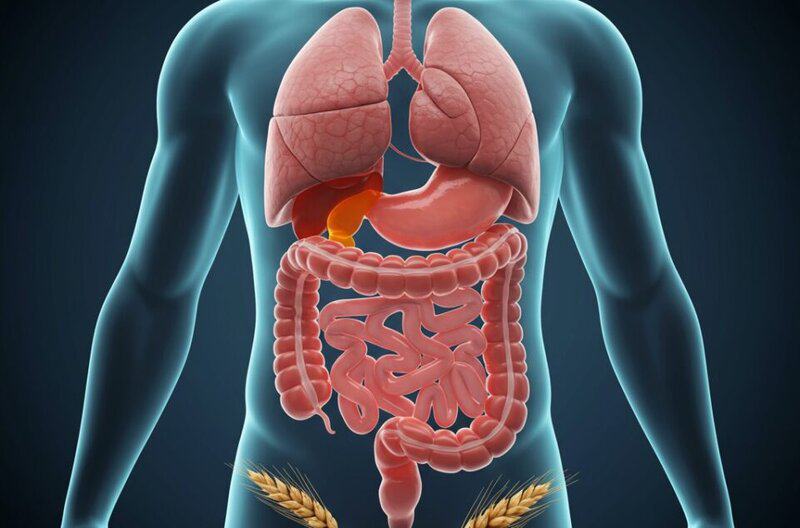
Celiac disease is an autoimmune disorder that affects about 1 in 100 people worldwide, though many remain undiagnosed. When individuals with celiac disease ingest gluten—a protein found in wheat, barley, and rye—their immune system attacks the lining of their small intestine. While it’s commonly associated with digestive symptoms such as bloating or diarrhea, the reality is that non-gastrointestinal symptoms often appear first, making early diagnosis a challenge. Delayed detection can lead to long-term complications. Understanding these early, subtle warning signs is crucial for timely intervention and improved health outcomes. Celiac Disease Foundation
1. Iron-Deficiency Anemia

One of the most frequent non-gastrointestinal symptoms doctors identify in celiac disease is iron-deficiency anemia. This occurs because the damaged lining of the small intestine cannot effectively absorb nutrients, especially iron, before any classic gut symptoms emerge. Patients may present with persistent and unexplained fatigue, pale skin, or even shortness of breath—signs that are often mistakenly attributed to stress or a busy lifestyle.
If someone, especially a child or young adult, develops anemia that does not respond well to iron supplements or has no obvious cause, it may signal an underlying malabsorption issue like celiac disease. In fact, studies estimate that a significant percentage of adults diagnosed with celiac disease first sought medical attention due to anemia rather than gastrointestinal complaints.
Healthcare professionals recommend considering celiac testing in cases of unexplained anemia, particularly if there is a family history of autoimmune diseases. Early detection is critical to prevent complications and promote recovery. For more information, visit the
National Institutes of Health and the
University of Chicago Celiac Disease Center.
2. Chronic Fatigue

Chronic fatigue is another subtle but significant sign that can precede digestive symptoms in those with celiac disease. Unlike tiredness from insufficient sleep or stress, this exhaustion is often persistent and unexplained, making daily activities feel overwhelming. The underlying cause lies in the body’s inability to absorb essential nutrients—such as iron, folate, and vitamin B12—due to damage in the small intestine. This leads to a lack of fuel for the body’s cells, resulting in ongoing fatigue that does not improve with rest.
Many individuals initially attribute their tiredness to busy schedules, depression, or other chronic conditions, causing delayed investigation of the true source. However, when fatigue is severe, ongoing, and accompanied by other subtle symptoms like brain fog or weakness, it should raise suspicion of an underlying medical issue.
Doctors recommend screening for celiac disease when chronic fatigue persists, especially if it does not resolve with lifestyle changes or if there is a family history of autoimmune disease. This careful approach increases the chances of early detection and effective management.
Celiac Disease Foundation
and
NIH provide further details about this important symptom.
3. Recurrent Headaches or Migraines

Celiac disease can trigger neurological symptoms long before digestive complaints appear. Among the most notable are recurrent headaches or migraines, which often puzzle both patients and physicians. Research suggests that chronic inflammation and immune responses, set off by gluten exposure, can impact the nervous system, leading to frequent and sometimes severe headaches.
Real-world cases highlight this link: individuals diagnosed with celiac disease have reported years of debilitating migraines that improved dramatically after starting a gluten-free diet. These headaches often resist typical pain relief measures and may be accompanied by other subtle issues such as dizziness or difficulty concentrating.
When headaches or migraines are persistent, unexplained, or suddenly worsen, and especially if there is a family history of autoimmune conditions, doctors may recommend screening for celiac disease. Early identification can not only alleviate the headaches but also prevent other complications. For more information, see the
National Institutes of Health and the
University of Chicago Celiac Disease Center.
4. Unexplained Infertility

Celiac disease can quietly disrupt the reproductive system, sometimes resulting in unexplained infertility before any digestive symptoms arise. The chronic inflammation and nutrient deficiencies caused by undiagnosed celiac disease can interfere with the hormonal balance required for conception. Women may experience irregular menstrual cycles, recurrent miscarriages, or difficulty becoming pregnant—all without obvious gastrointestinal clues. Men may also face fertility issues, such as low sperm count or motility, due to the same underlying deficiencies.
For example, couples who have tried to conceive for over a year without success—despite normal hormone levels, healthy sperm, and no anatomical issues—may find that celiac disease is the hidden culprit. In these scenarios, fertility specialists increasingly recommend screening for celiac disease, especially when no other explanations emerge.
Including celiac screening in fertility workups can be life-changing, as many patients see fertility improve once a gluten-free diet is adopted. For more details, visit the
National Institutes of Health and the
Celiac.com.
5. Osteoporosis or Low Bone Density

One often-overlooked sign of celiac disease is osteoporosis or low bone density, which can develop silently long before any digestive symptoms appear. The damaged intestinal lining in celiac disease impairs absorption of calcium and vitamin D—nutrients vital for maintaining strong bones. Over time, this can lead to bones becoming weak or brittle, increasing the risk of fractures even in younger adults.
Unlike typical age-related osteoporosis, which is common in older adults, bone loss from celiac disease may affect people in their 20s or 30s. Patients are sometimes surprised by a diagnosis of low bone density after a minor trauma or during a routine health screening. This unexpected finding should prompt doctors to look for underlying causes, including celiac disease.
Experts recommend that individuals with unexplained bone loss or fractures—especially those with a family history of autoimmune diseases—undergo bone density testing and consider celiac screening. Early diagnosis and a gluten-free diet can help restore bone health and prevent further complications. For more information, see the
National Institutes of Health Osteoporosis and Related Bone Diseases and the
Celiac Disease Foundation.
6. Dermatitis Herpetiformis

A striking yet often misdiagnosed sign of celiac disease is dermatitis herpetiformis (DH), a chronic, intensely itchy skin rash. Unlike typical eczema or allergic rashes, DH is an autoimmune reaction where gluten exposure prompts the immune system to attack the skin, causing clusters of small blisters and red bumps, often on the elbows, knees, buttocks, or scalp. Remarkably, many people with DH have little or no digestive symptoms, making skin changes their first—and sometimes only—clue to underlying celiac disease.
Case examples show individuals suffering for years with unexplained rashes that resisted conventional treatments, only to experience dramatic improvement after a celiac diagnosis and strict gluten-free diet. DH can be confirmed through a simple skin biopsy and antibody testing.
Dermatologists and primary care physicians are encouraged to consider celiac disease when patients present with chronic, unexplained, or treatment-resistant rashes. Early recognition of this skin manifestation can lead to a faster diagnosis and relief from persistent symptoms. For more details, consult the
American Academy of Dermatology and the
Celiac Disease Foundation.
7. Mouth Ulcers (Aphthous Stomatitis)

Frequent or persistent mouth ulcers, known as aphthous stomatitis, can be an early and overlooked sign of celiac disease. These small, painful sores often appear on the inner cheeks, lips, or tongue and may recur even in people without obvious digestive issues. While mouth ulcers are common and can be triggered by stress, minor trauma, or certain foods, their repeated or chronic occurrence may signal an underlying problem with nutrient absorption.
In celiac disease, malabsorption of key nutrients such as iron, folate, and vitamin B12 can weaken the lining of the mouth, making it more susceptible to ulceration. Unlike occasional canker sores, ulcers linked to celiac disease tend to be more frequent, stubborn, and resistant to standard over-the-counter treatments.
Healthcare providers recommend considering celiac screening when mouth ulcers are persistent, severe, or accompanied by other unexplained symptoms. Early investigation can reveal hidden nutritional deficiencies and lead to a diagnosis that might otherwise be missed. For more information, see the
Celiac Disease Foundation and
NHS.
8. Dental Enamel Defects

Unexplained dental enamel defects can be among the earliest signs of celiac disease, especially in children but also in adults. These defects often appear as noticeable white, yellow, or brown spots, grooves, or pits on the surface of the teeth. While poor dental hygiene, trauma, or excessive fluoride typically cause enamel problems, celiac-related defects are usually symmetrical and affect both baby and adult teeth.
A clinical example is a child who routinely visits the dentist for cavities or visible enamel discoloration, despite good oral care and a healthy diet. Dentists, sometimes the first to spot these abnormalities, may recognize a pattern that suggests a systemic cause rather than isolated dental neglect. Adults with undiagnosed celiac disease may also present with weakened, brittle enamel that leads to increased tooth sensitivity and decay.
Dental appointments provide a unique screening opportunity. When enamel defects are identified—especially if they are widespread and unexplained—dentists are encouraged to suggest celiac testing or refer patients to their primary care provider. For more details, visit the
Celiac.com and the
National Institutes of Health.
9. Delayed Puberty

Celiac disease can subtly impact growth and development in children, sometimes manifesting as delayed puberty before any digestive symptoms appear. The malabsorption of essential nutrients such as iron, zinc, and vitamins caused by intestinal damage directly affects hormonal balance and overall physical maturation. As a result, children with undiagnosed celiac disease may enter puberty much later than their peers, or experience slower growth of secondary sexual characteristics.
A real-world example involves a preteen who, despite a healthy appetite and no significant gastrointestinal complaints, is noticeably shorter and less developed than classmates. This can lead to emotional distress and a sense of isolation. Pediatricians may initially investigate hormonal or genetic causes, but persistent delays without explanation should prompt consideration of celiac disease.
Early recognition is essential. Timely diagnosis and treatment, typically by adopting a strict gluten-free diet, can help children catch up in growth and development and prevent permanent complications. For further details on delayed puberty and its link to celiac disease, visit the
Celiac Disease Foundation and the
National Institutes of Health.
10. Short Stature in Children

One of the most telling signs of pediatric celiac disease is short stature or impaired growth, which can develop before any clear gut symptoms. When the body is deprived of nutrients due to malabsorption, growth rates slow or halt altogether. While short stature can be caused by genetic factors or other chronic illnesses, celiac disease should be considered if a child’s growth pattern unexpectedly drops off or fails to keep pace with peers.
Unlike familial short stature, where a child’s height is consistent with parental heights, celiac-related growth impairment often results in a significant downward shift on standardized growth curves. Pediatricians routinely track growth over time; a flattening or decline in height or weight percentiles may be the first sign of an underlying issue.
Recognizing these patterns early and testing for celiac disease can make a dramatic difference, allowing for catch-up growth and the prevention of long-term complications. For more information on tracking growth and its connection to celiac disease, see the
University of Chicago Celiac Disease Center and
National Institutes of Health.
11. Unexplained Weight Loss

Significant or ongoing unexplained weight loss is another early sign of celiac disease that can appear before any gastrointestinal symptoms. Because the small intestine cannot absorb nutrients effectively, individuals may lose weight despite normal or increased food intake. This can be especially confusing for both patients and healthcare providers, since weight loss is often associated with increased physical activity, stress, or other medical conditions.
A real-life scenario might involve an adult who notices their clothes are looser, or a parent who observes that their child’s weight is dropping off the expected growth curve. When typical causes such as thyroid issues, diabetes, or eating disorders are ruled out, persistent weight loss should prompt a closer look at malabsorption syndromes like celiac disease.
Doctors recommend investigating for underlying causes, including celiac disease, when weight loss is unexplained and accompanied by other subtle symptoms such as fatigue, anemia, or changes in appetite. Early intervention can dramatically improve prognosis and prevent further complications. For more about malabsorption and celiac-related weight loss, see the
Celiac Disease Foundation and
National Institutes of Health.
12. Peripheral Neuropathy

A lesser-known but important early symptom of celiac disease is peripheral neuropathy, which presents as tingling, numbness, or burning sensations in the hands and feet. This nerve involvement occurs due to chronic inflammation and nutrient deficiencies—especially of B vitamins—resulting from poor absorption in the gut. Individuals with celiac disease may experience these neurological symptoms even before any digestive issues come to light.
Peripheral neuropathy in celiac disease is often mistaken for complications of diabetes, vitamin B12 deficiency, or age-related nerve degeneration. However, in cases where these common causes have been ruled out and symptoms persist, an underlying autoimmune condition like celiac disease should be considered. Clinical reports have documented patients whose neuropathy improved significantly after starting a gluten-free diet.
When tingling, numbness, or unexplained nerve pain develops—especially in the absence of known risk factors—doctors recommend screening for celiac disease. Prompt identification can prevent further nerve damage and improve quality of life. For more on the connection between celiac disease and peripheral neuropathy, see the
University of Chicago Celiac Disease Center and
National Institutes of Health.
13. Ataxia (Balance Issues)

Celiac disease can also manifest as ataxia, a neurological disorder characterized by poor balance, unsteady gait, and clumsiness. Known as gluten ataxia, this rare but serious condition is caused by the immune system mistakenly attacking parts of the brain responsible for motor control after exposure to gluten. Symptoms may include frequent tripping, difficulty walking in a straight line, or problems with fine motor tasks like buttoning a shirt.
A classic example is an adult who develops worsening balance issues and coordination difficulties without any obvious explanation or gastrointestinal complaints. These symptoms can progress over months or years and may be misdiagnosed as age-related decline, multiple sclerosis, or other neurological disorders.
Because gluten ataxia can lead to permanent brain damage if left untreated, early neurologic assessment is crucial. If a patient has unexplained balance or coordination problems, especially with a personal or family history of autoimmune disease, celiac disease should be considered as a potential cause. For more details on gluten ataxia and neurologic symptoms, visit the
University of Chicago Celiac Disease Center and
National Institutes of Health.
14. Depression

Celiac disease doesn’t just affect the body—it can significantly impact mood and mental health, sometimes appearing as depression before any digestive symptoms are noticed. This form of depression may result from chronic inflammation, altered brain chemistry, and nutritional deficiencies such as low folate or B vitamins, all stemming from impaired absorption. Unlike typical depression, which may have clear situational or genetic roots, celiac-associated depression can appear suddenly and persist despite standard treatments.
People with undiagnosed celiac disease often describe feeling persistently sad, hopeless, or fatigued, and may lose interest in activities they once enjoyed. These symptoms can be especially confusing if they arise without any obvious triggers. In some cases, depression is accompanied by anxiety, irritability, or difficulty concentrating.
Mental health professionals and primary care providers are encouraged to consider celiac disease as a possible underlying factor when depression is unexplained or resistant to therapy. Early identification and dietary changes can lead to marked improvement in mood and overall wellbeing. For more on this connection, see the
National Institutes of Health and
Celiac Disease Foundation.
15. Anxiety

Increasing research highlights a strong connection between celiac disease and anxiety disorders, often preceding any gastrointestinal symptoms. The chronic stress of nutrient malabsorption, inflammation, and the body’s immune response can disrupt neurotransmitter levels, contributing to persistent feelings of unease, panic, or restlessness. This anxiety may not have an obvious psychological trigger and often resists typical coping strategies or medications.
Patients with undiagnosed celiac disease frequently report symptoms such as constant worry, difficulty relaxing, or unexplained panic attacks. In some cases, these mental health changes are among the earliest indicators that something is physically wrong. For example, adults and children alike may experience mounting anxiety that interferes with work, school, or social situations—yet medical evaluations for stress or psychiatric causes provide no answers.
Healthcare providers recommend considering celiac disease as a possible underlying cause when anxiety is persistent, severe, or unresponsive to traditional therapies, especially if accompanied by other subtle symptoms. Recognizing and addressing the physical roots of anxiety can dramatically improve quality of life. For more information, visit the
National Institutes of Health and
Celiac Disease Foundation.
16. Elevated Liver Enzymes

An often overlooked indicator of celiac disease is the presence of elevated liver enzymes on routine blood tests, sometimes detected before any digestive complaints arise. The chronic inflammation and immune activity triggered by gluten exposure can affect the liver, leading to mild abnormalities in liver function tests such as ALT and AST. Unlike other liver diseases—such as viral hepatitis, fatty liver disease, or excessive alcohol use—celiac-related liver enzyme elevations are typically mild and reversible with dietary changes.
Many patients are surprised to learn that their slightly abnormal liver tests, discovered during check-ups for unrelated reasons, are linked to an undiagnosed autoimmune condition. In these cases, further evaluation for viral, metabolic, or drug-induced liver problems often yields no answer, leaving celiac disease as an important consideration.
Experts recommend that persistent, unexplained liver enzyme elevation—especially in the absence of risk factors for liver disease—should prompt screening for celiac disease. Early recognition allows for timely intervention, often resulting in normalization of liver enzymes after transitioning to a gluten-free diet. For more information, visit the
National Institutes of Health and
University of Chicago Celiac Disease Center.
17. Hair Loss (Alopecia Areata)

Patchy hair loss, known as alopecia areata, can be an early and surprising signal of celiac disease. This autoimmune condition occurs when the immune system attacks hair follicles, leading to round patches of hair loss on the scalp or other areas. In celiac disease, chronic inflammation and immune dysregulation—often combined with deficiencies in nutrients like iron, zinc, and B vitamins—can trigger or worsen autoimmune hair loss.
A relevant case involves a young adult who develops sudden, unexplained bald spots despite having no family history of hair disorders. Dermatological treatments may offer limited relief. However, after a diagnosis of celiac disease and strict adherence to a gluten-free diet, many patients report regrowth of hair and reduced episodes of shedding.
Dermatologists and primary care providers are encouraged to consider celiac disease as a possible cause when alopecia areata occurs, especially if other autoimmune symptoms or unexplained nutrient deficiencies are present. Early detection and dietary management can halt progression and support hair regrowth. For further details, visit the
National Institutes of Health and the
University of Chicago Celiac Disease Center.
18. Unexplained Elevated Transaminases

Another subtle clue to undiagnosed celiac disease is unexplained elevated transaminases—liver enzymes that signal inflammation or damage. ALT and AST, the most commonly measured transaminases, are usually associated with liver conditions like viral hepatitis, fatty liver, or medication-induced injury. However, celiac disease can also cause mild to moderate elevations in these enzymes, even in the absence of digestive symptoms or overt liver disease.
Unlike viral hepatitis, which often presents with additional symptoms such as jaundice or abdominal pain, celiac-related transaminase elevation is frequently asymptomatic and discovered incidentally during routine bloodwork. When tests for viral and metabolic liver diseases come back negative and no clear cause emerges, celiac disease should be included in the differential diagnosis.
Including celiac screening in the evaluation of persistently raised liver enzymes can expedite diagnosis and prevent unnecessary treatments. Most importantly, liver enzyme abnormalities typically normalize with the adoption of a gluten-free diet. For more information about liver involvement in celiac disease, visit the
University of Chicago Celiac Disease Center and
National Institutes of Health.
19. Recurrent Miscarriage

A growing body of research links celiac disease to recurrent miscarriage and other pregnancy complications. The chronic inflammation and nutrient deficiencies caused by untreated celiac disease can impair the uterine environment and fetal development, leading to repeated pregnancy loss. This association is particularly important because many women with celiac disease do not experience obvious digestive symptoms, making the underlying cause of miscarriage difficult to identify.
For example, a woman may suffer two or more consecutive miscarriages despite normal hormone levels, healthy anatomy, and no clear genetic factors. When other causes have been excluded, reproductive endocrinologists are increasingly recommending celiac disease screening as part of the evaluation for recurrent pregnancy loss. Studies show that women diagnosed and treated with a gluten-free diet often experience improved pregnancy outcomes.
Timely recognition of celiac disease in women with unexplained reproductive difficulties can have life-changing results, both for fertility and for long-term maternal health. For more on the link between celiac disease and pregnancy loss, see the
National Institutes of Health and the
Celiac.com.
20. Joint Pain (Arthralgia)

Systemic inflammation from celiac disease can manifest as joint pain, or arthralgia, often before any digestive symptoms become apparent. This type of pain can affect the knees, wrists, elbows, or other joints and may be mistaken for conditions like rheumatoid arthritis or osteoarthritis. However, unlike typical autoimmune arthritis, celiac-related joint pain usually lacks significant swelling or permanent joint damage.
Affected individuals might experience intermittent, migrating aches that seem unrelated to physical activity or injury. For some, the discomfort may worsen after meals containing gluten, while others notice no clear pattern. Unlike rheumatoid arthritis, celiac-associated arthralgia often improves significantly with the elimination of gluten from the diet.
Physicians should consider celiac disease when joint pain is persistent, unexplained, or accompanied by other subtle symptoms such as fatigue, skin rashes, or anemia. Early diagnosis can prevent unnecessary treatments and lead to rapid improvement in joint symptoms. More information about the connection between celiac disease and joint pain can be found at the
University of Chicago Celiac Disease Center and
National Institutes of Health.
21. Elevated Homocysteine Levels

Celiac disease can lead to elevated homocysteine levels in the blood, which may be detected before any gastrointestinal symptoms emerge. Homocysteine is an amino acid that, when present in high amounts, is associated with an increased risk of cardiovascular disease and blood clots. In people with celiac disease, chronic malabsorption of B vitamins—particularly folate, vitamin B6, and vitamin B12—impairs the body’s ability to metabolize homocysteine, causing its levels to rise.
Unlike other risk factors for cardiovascular problems, such as high cholesterol or hypertension, elevated homocysteine linked to celiac disease often occurs in otherwise healthy individuals. For example, a patient may have no family history of heart disease or lifestyle risks, but routine blood work reveals unexpectedly high homocysteine levels. When common causes, such as genetic disorders or renal disease, are excluded, clinicians should consider celiac disease as a potential underlying culprit.
Regular blood checks for homocysteine can be valuable in unexplained cases, and prompt diagnosis of celiac disease allows for dietary changes that normalize nutrient levels and reduce cardiovascular risk. For additional information, visit the
National Institutes of Health and
Celiac Disease Foundation.
22. Numbness or Tingling (Paresthesia)

Early nerve changes such as numbness or tingling—known medically as paresthesia—can be among the first signs of celiac disease, often preceding any digestive complaints. These sensations are typically felt in the hands, feet, arms, or legs and result from chronic nutrient deficiencies, particularly of B vitamins, caused by impaired absorption in the gut. The underlying autoimmune inflammation may also directly affect the nerves, amplifying these symptoms.
A common case involves an adult who visits their doctor for persistent tingling in the fingertips or toes, without any obvious cause such as diabetes or carpal tunnel syndrome. Standard blood tests may show subtle deficiencies, but when these symptoms persist or worsen despite basic interventions, further investigation is warranted.
If paresthesia is unexplained—especially when accompanied by signs like fatigue, anemia, or subtle neurological changes—doctors are encouraged to screen for celiac disease. Early diagnosis can help prevent progression to more severe nerve damage and improve quality of life. For more information on the neurological manifestations of celiac disease, consult the
National Institutes of Health and
University of Chicago Celiac Disease Center.
23. Cognitive Difficulties (“Brain Fog”)

Many people with celiac disease experience cognitive difficulties—often referred to as “brain fog”—even before any digestive symptoms arise. This phenomenon is characterized by episodes of forgetfulness, poor concentration, confusion, or difficulty finding words. The underlying cause is believed to be a combination of chronic inflammation, immune activity, and nutrient deficiencies, especially involving B vitamins and iron, which are vital for healthy brain function.
Unlike cognitive changes due to aging, stress, or sleep deprivation, celiac-related brain fog can feel persistent and unrelenting. For example, an adult may notice recurring lapses in memory or mental clarity that interfere with daily tasks, or a student might struggle to focus in class despite strong motivation and effort. These symptoms are particularly concerning when they arise without clear psychological or environmental triggers.
Physicians recommend considering celiac disease as a potential cause when brain fog is ongoing, unexplained, or accompanied by other subtle symptoms like fatigue or numbness. Early recognition allows for targeted treatment, often resulting in dramatic improvements in cognitive performance. For further information, see the
Celiac.com and
National Institutes of Health.
24. Seizures

Celiac disease can sometimes present with seizures as a neurological complication, even before any gastrointestinal issues are apparent. These seizures may be related to chronic inflammation, immune-mediated injury to the brain, or severe deficiencies in nutrients such as folate and vitamin B6, both crucial for normal brain activity. The real-world implications are significant, as seizures often prompt urgent neurological evaluation but may remain unexplained after standard testing.
In practice, a child or adult who suddenly develops new-onset seizures—especially if resistant to typical anti-seizure medications—may go through a series of tests for epilepsy, infections, or metabolic disorders. If no definitive cause is found, celiac disease should be considered as part of the differential diagnosis. Some patients have reported a reduction or resolution of seizures after starting a gluten-free diet and correcting nutritional imbalances.
Neurologists and primary care physicians are encouraged to consider celiac screening in cases of unexplained seizures, particularly when accompanied by other subtle signs of autoimmune or nutritional disturbance. For more information on the link between celiac disease and seizures, visit the
University of Chicago Celiac Disease Center and
National Institutes of Health.
25. Recurrent Mouth Infections

Celiac disease can subtly weaken the immune system, leading to recurrent mouth infections such as oral thrush, gingivitis, or frequent cold sores. These infections often occur because chronic nutrient deficiencies—especially of iron, folate, and vitamin B12—impair the body’s local defense mechanisms in the oral cavity. Individuals may notice persistent redness, soreness, or swelling in the mouth, and frequent outbreaks of fungal or viral infections that do not respond well to standard treatments.
Patient examples include adults who experience repeated bouts of oral thrush despite good oral hygiene, or children who develop frequent gum inflammation and mouth sores. These recurring problems can cause discomfort, difficulty eating, and even embarrassment. Dentists are often the first to notice these patterns, making them essential partners in the early detection of celiac disease.
Dental professionals should be aware of the link between unexplained, recurrent mouth infections and celiac disease. When these symptoms persist despite intervention, referral for medical evaluation and potential celiac screening is recommended. For more about oral health and celiac disease, visit
National Institutes of Health and
Celiac Disease Foundation.
26. Easy Bruising

Celiac disease can lead to easy bruising due to malabsorption of vital nutrients, particularly vitamin K. Vitamin K is essential for the production of blood-clotting factors, and deficiency can result in bruises from minor bumps or with no clear cause. This symptom is often overlooked or mistaken for blood disorders such as platelet abnormalities or clotting factor deficiencies.
Unlike bleeding disorders that usually present with additional symptoms like frequent nosebleeds or gum bleeding, celiac-related bruising tends to be isolated and may appear as scattered purple or blue marks on the skin, especially on the arms and legs. For example, a person might notice that they bruise more easily than others, or that bruises linger longer than usual. Blood tests might show mildly abnormal clotting times or low vitamin K levels, but standard hematology evaluations often fail to reveal a primary blood disorder.
When easy or unexplained bruising is persistent—especially if accompanied by other subtle signs of malnutrition—doctors should consider screening for celiac disease. Early detection can restore normal clotting and reduce bruising with appropriate treatment. For further reading, see the
Celiac Disease Foundation and
National Institutes of Health.
27. Chronic Nosebleeds

Chronic or recurrent nosebleeds can be an overlooked sign of celiac disease, often resulting from nutrient deficiencies, particularly of vitamin K and sometimes iron. Vitamin K is critical for proper blood clotting, and its deficiency—caused by poor absorption in the gut—can make even minor nasal trauma lead to bleeding. This risk is heightened in dry climates, during allergy seasons, or when nasal passages are irritated, but in celiac disease, bleeding may occur without an obvious trigger.
Clinically, recurrent nosebleeds are frequently attributed to local nasal issues such as fragile blood vessels, allergies, or infections. However, when nosebleeds persist despite standard ENT (ear, nose, and throat) interventions, or when they occur alongside other subtle symptoms like easy bruising or fatigue, it may signal an underlying systemic problem like celiac disease.
ENT specialists and primary care doctors should be alert to the association between unexplained, frequent nosebleeds and possible malabsorption syndromes. If conventional treatments fail or if nosebleeds are part of a broader pattern of bleeding or bruising, celiac screening should be considered. For more details, visit the
Celiac Disease Foundation and the
National Institutes of Health.
28. Swelling of Legs (Edema)

Swelling of the legs, or edema, can be an early but underappreciated sign of celiac disease. This swelling is often due to hypoproteinemia—low protein levels in the blood—resulting from poor absorption of dietary protein in the damaged small intestine. When blood protein drops, fluid leaks from blood vessels into surrounding tissues, leading to puffy ankles, feet, or lower legs.
Unlike edema caused by heart failure, which is often accompanied by shortness of breath or chest discomfort, celiac-related edema tends to occur in otherwise healthy individuals and may not be linked to cardiac or kidney issues. For example, a patient may notice their socks leave deep indentations or that their shoes feel tighter by the end of the day. Blood tests may reveal low albumin or total protein levels, despite a balanced diet.
If swelling is persistent, unexplained, and not associated with obvious causes such as heart, liver, or kidney disease, physicians should consider malabsorption syndromes like celiac disease. Early diagnosis and dietary management can resolve the swelling and prevent further complications. For more information, see the
National Institutes of Health and
Celiac Disease Foundation.
29. Recurrent Canker Sores

Frequent canker sores—small, painful ulcers inside the mouth—can serve as an early warning sign of celiac disease, particularly when they recur without obvious triggers. These sores, also known as aphthous ulcers, are commonly mistaken for minor irritations or reactions to certain foods, but in celiac disease, they are often the result of nutrient deficiencies such as iron, folate, and vitamin B12 caused by malabsorption.
Real-world stories include individuals who endure years of repeated mouth ulcers that do not respond to conventional treatments or dietary adjustments. In children, these persistent sores can make eating uncomfortable, affecting nutrition and quality of life. For adults, recurring canker sores may be frustrating and disruptive to daily routines.
If canker sores persist or become unusually frequent—especially when accompanied by other subtle symptoms like fatigue, anemia, or skin rashes—doctors and dentists should consider a more in-depth evaluation for underlying causes, including celiac disease. Recognizing this connection early can lead to effective management and symptom relief. For further insight, visit
Celiac Disease Foundation and
National Institutes of Health.
30. Persistent Itchy Skin (without Rash)

Persistent itchy skin, or pruritus, without a visible rash can be a subtle but telling sign of celiac disease. Unlike allergic reactions, which often cause hives or redness, celiac-related itching stems from immune system activity and nutrient deficiencies, and may not involve any noticeable skin changes. This makes the symptom easy to overlook or misattribute to stress, dry skin, or environmental factors.
Patients may describe a relentless urge to scratch, especially at night or after eating, with no relief from moisturizers or antihistamines. Unlike classic dermatitis herpetiformis, there are no blisters or bumps, which can make diagnosis challenging. In contrast to pruritus caused by allergies, which is generally localized and occurs soon after exposure, celiac-related itching tends to be more diffuse and persistent.
When itching is chronic, unexplained, and resistant to conventional treatments—especially if associated with other subtle symptoms like fatigue, mouth sores, or anemia—healthcare providers should consider celiac disease as a possible cause. For more on skin and immune symptoms in celiac disease, see
University of Chicago Celiac Disease Center and
Celiac Disease Foundation.
31. Menstrual Irregularities

Celiac disease can disrupt hormonal balance, leading to menstrual irregularities such as missed periods, unusually heavy or light bleeding, and unpredictable cycles. These issues often arise because chronic nutrient deficiencies—particularly in iron, folate, and B vitamins—interfere with the body’s ability to regulate reproductive hormones. Women may experience secondary amenorrhea (the absence of periods after they have started), or cycles that become increasingly erratic, even in the absence of digestive symptoms.
In clinical settings, a patient may present to a gynecologist with complaints of irregular periods despite normal thyroid function and no evidence of polycystic ovary syndrome (PCOS) or other common causes. Adolescents may face delayed menarche, while adults may struggle with fertility or unexplained hormonal fluctuations. These disruptions can cause anxiety and impact quality of life, particularly when standard hormone and metabolic evaluations are unrevealing.
Gynecologists and primary care providers should consider screening for celiac disease when menstrual irregularities are persistent, unexplained, and resistant to typical interventions. Early detection and dietary management can restore normal menstrual patterns and improve overall reproductive health. For more, visit
University of Chicago Celiac Disease Center and
National Institutes of Health.
32. Delayed Menarche

Delayed menarche—the absence of a first menstrual period by age 15 or more than three years after breast development—can be a subtle indicator of celiac disease in adolescent girls. Celiac-related malnutrition, particularly deficiencies in iron, zinc, and folate, disrupts the hormonal signals necessary for puberty. This delay is often mistaken for familial patterns or attributed to excessive exercise, stress, or low body weight, but in cases where these factors are absent, underlying malabsorption should be considered.
In comparison to other causes, such as hypothalamic amenorrhea, Turner syndrome, or chronic illnesses, celiac disease often presents with additional subtle symptoms like fatigue, short stature, or anemia. Pediatricians might encounter teen girls who are otherwise healthy and active but have not yet started menstruating while their peers have. If careful evaluation rules out more common endocrinologic or genetic causes, a screening for celiac disease can be revealing.
Pediatric screening for celiac disease is crucial when delayed menarche is unexplained, especially if accompanied by other growth or developmental delays. Early intervention with a gluten-free diet can help restore normal pubertal progression. For more information, see the
University of Chicago Celiac Disease Center and
National Institutes of Health.
33. Recurrent Mouth Thrush

Recurrent mouth thrush, or oral candidiasis, is another subtle sign that may point to celiac disease before digestive symptoms appear. The malabsorption associated with celiac disease leads to deficiencies in key nutrients like iron, folate, and vitamin B12, which are critical for maintaining a robust immune response. When immune defenses in the mouth are compromised, the balance of oral flora shifts, allowing the Candida fungus to thrive and cause persistent or repeated white patches, soreness, and discomfort.
A typical case could involve an adult or child who develops frequent bouts of oral thrush that do not resolve with standard antifungal medications. Dentists or primary care providers may notice these recurrent infections and begin to suspect an underlying systemic problem, especially when accompanied by other unexplained symptoms such as fatigue, weight loss, or anemia.
If oral thrush is persistent or returns quickly after treatment—particularly in individuals who are otherwise healthy and not taking immunosuppressive medications—health professionals should consider testing for celiac disease. Early diagnosis can help resolve both the oral and systemic symptoms. For more information, visit
Celiac Disease Foundation and
National Institutes of Health.
34. Early-Onset Osteopenia

Early-onset osteopenia—low bone mineral density occurring in teenagers or young adults—is a significant but frequently overlooked manifestation of celiac disease. Unlike age-related bone loss, which typically affects older adults, osteopenia in younger individuals often suggests an underlying problem with calcium or vitamin D absorption. In celiac disease, the damaged intestinal lining fails to adequately absorb these nutrients, leading to weaker bones and a higher risk of fractures even in the absence of digestive symptoms.
Clinically, a young adult who experiences a bone fracture from a minor incident, or a teen whose bone density scan reveals unexpectedly low results, may be evaluated for hormonal imbalances, eating disorders, or genetic conditions. However, if these common causes are excluded, celiac disease should be considered, particularly if other subtle signs—such as fatigue, anemia, or delayed growth—are present.
Routine screening for bone mineral density is recommended for at-risk populations, including those with unexplained fractures or a family history of autoimmune disease. Early intervention with a gluten-free diet and nutritional support can help restore bone health and prevent long-term complications. For more, see
NIH Osteoporosis and Related Bone Diseases and
Celiac Disease Foundation.
35. Unexplained Elevated Cholesterol

Celiac disease can sometimes lead to unexplained elevated cholesterol levels due to altered metabolism and chronic inflammation. While malabsorption typically results in lower cholesterol, some individuals with celiac disease experience irregular lipid profiles, including high total cholesterol or LDL (“bad” cholesterol). This paradox may stem from the body’s response to ongoing immune activation or subtle metabolic disruptions before classic gut symptoms arise.
A practical example involves an adult who maintains a healthy diet, exercises regularly, and has no family history of high cholesterol, yet is surprised by persistently elevated cholesterol levels on routine bloodwork. Standard dietary and lifestyle modifications may have little effect, prompting further investigation. If other common causes—such as hypothyroidism or obesity—are ruled out, clinicians should consider underlying conditions like celiac disease.
Regular cholesterol checks are advisable in cases where lipid abnormalities are unexplained and unresponsive to standard interventions. Identifying and treating celiac disease can help normalize cholesterol levels and reduce long-term cardiovascular risk. For more on the relationship between celiac disease and lipid metabolism, visit
National Institutes of Health and
Celiac Disease Foundation.
36. Restless Legs Syndrome

Restless Legs Syndrome (RLS) is a neurological condition characterized by an uncontrollable urge to move the legs, especially at night. In celiac disease, RLS frequently arises from iron deficiency due to malabsorption, rather than from the primary, idiopathic form of the disorder. Iron plays a crucial role in dopamine production in the brain, and low levels can trigger the uncomfortable sensations and sleep disturbances typical of RLS.
Unlike primary RLS, which often has a genetic component and may begin in childhood, celiac-related RLS typically appears in adulthood and is linked to other symptoms of nutrient deficiency, such as fatigue or anemia. Patients may complain of tingling, crawling, or aching sensations in the legs that disrupt sleep and daily life, and these symptoms often improve with iron supplementation—if the underlying absorption issue is addressed.
When patients present with new or worsening RLS, especially if iron deficiency is confirmed and does not respond to oral supplements, celiac screening is recommended. Identifying and treating celiac disease can relieve RLS symptoms and restore sleep quality. For more about this link, see
National Institutes of Health and
Celiac Disease Foundation.
37. Cold Extremities

Cold extremities—chronically cold hands and feet—can be a subtle sign of celiac disease, often linked to poor circulation resulting from iron-deficiency anemia or associated thyroid dysfunction. When nutrient absorption is compromised by celiac disease, low iron levels decrease the oxygen-carrying capacity of blood, which can hinder effective delivery of warmth to the body’s peripheries. In some cases, celiac disease co-occurs with autoimmune thyroid disorders, further exacerbating symptoms of cold intolerance.
Patients may describe always needing to wear warm socks or gloves, even in mild temperatures, or noticing their fingers and toes turning pale or blue in the cold. These experiences are frequently attributed to stress, poor circulation, or Raynaud’s phenomenon, but persistent cold extremities without a clear cause should prompt a deeper look at underlying health issues.
Healthcare providers should consider monitoring for this subtle symptom, particularly when cold extremities are paired with fatigue, hair loss, or menstrual changes. Early recognition and screening for celiac disease can address anemia and potentially improve circulation. For further insights, visit
Celiac Disease Foundation and
National Institutes of Health.
38. Impaired Wound Healing

Impaired wound healing is another subtle yet impactful sign of celiac disease, often resulting from nutritional deficits. Deficiencies in protein, vitamin C, zinc, and iron—common in celiac patients due to malabsorption—can slow the body’s ability to repair skin and tissue. Proper healing requires a steady supply of these nutrients to produce new cells, collagen, and immune factors that protect against infection.
A relevant scenario might involve a patient who notices that minor cuts, scrapes, or surgical incisions take much longer than expected to close or leave persistent scars. Despite good hygiene and following wound care instructions, healing is delayed, sometimes complicated by recurrent infections or reopening of the wound. These patterns are often attributed to diabetes or vascular problems, but when blood sugar and circulation are normal, underlying malnutrition should be considered.
Healthcare providers should seek extra assessment for celiac disease if impaired healing persists without a clear explanation—especially in the context of other signs like fatigue, anemia, or frequent infections. Early diagnosis and dietary intervention can restore nutrient absorption and support proper tissue repair. For more, visit
Celiac Disease Foundation and
National Institutes of Health.
39. Chronic Sinusitis

Chronic sinusitis—persistent inflammation or infection of the sinus cavities—can sometimes be traced to the immune changes associated with celiac disease. When nutrient absorption is compromised, the body’s ability to mount an effective immune response weakens, increasing susceptibility to recurring sinus infections. This can lead to symptoms such as nasal congestion, facial pain, postnasal drip, and decreased sense of smell that linger for months despite repeated courses of antibiotics or allergy treatments.
A case study might involve an adult experiencing several bouts of sinusitis each year, with each episode lasting longer and responding less to standard therapies. Further investigation rules out common causes such as allergies, structural abnormalities, or environmental exposures. Eventually, subtle signs like anemia or mouth ulcers prompt celiac screening, leading to the underlying diagnosis.
ENT specialists and primary care providers should keep celiac disease in mind when evaluating patients with recurrent or chronic sinusitis that resists conventional management. Early detection and treatment can improve immune function and reduce infection frequency. For more information, see
Celiac Disease Foundation and
National Institutes of Health.
40. Brittle Nails

Brittle nails are a subtle but telling sign that can precede classic symptoms of celiac disease. Malabsorption of key nutrients such as iron, zinc, biotin, and protein—essential for healthy nail growth—can cause nails to become thin, cracked, or prone to splitting. Some individuals may also notice ridges, discoloration, or slow nail growth. These changes often develop gradually and may be mistaken for cosmetic or environmental issues.
While brittle nails can result from frequent exposure to water, harsh chemicals, thyroid dysfunction, or simple aging, they may also be an early clue to underlying nutritional deficiencies. For example, a person who takes care of their hands and avoids known irritants but still develops persistent nail weakness may have a deeper systemic issue. When brittle nails occur in conjunction with other symptoms such as hair loss, mouth sores, or fatigue, the suspicion for a malabsorption disorder like celiac disease increases.
Healthcare providers should consider a more thorough evaluation when brittle nails are persistent, unexplained, and resistant to over-the-counter remedies. Identifying and treating celiac disease can restore nail strength and improve overall health. Learn more at
Celiac Disease Foundation and
National Institutes of Health.
41. Muscle Cramps

Muscle cramps are a frequently overlooked symptom that can be linked to celiac disease, often resulting from electrolyte imbalances due to poor absorption of minerals like calcium, magnesium, and potassium. When the gut lining is inflamed or damaged, as in celiac disease, these essential nutrients may not be absorbed efficiently, leading to muscle irritability and spasms. Cramps most commonly affect the legs, feet, or hands, and can occur during exercise, sleep, or even at rest.
A practical example involves an otherwise healthy adult who begins experiencing frequent nighttime leg cramps despite adequate hydration and sensible exercise routines. Over-the-counter remedies and dietary adjustments provide little relief. If routine blood tests reveal low or borderline electrolyte levels without another clear explanation, malabsorption from celiac disease may be the culprit.
Healthcare providers should consider celiac screening when muscle cramps are persistent, recurrent, and resistant to basic interventions, especially if accompanied by other subtle signs of nutrient deficiency. Early diagnosis and dietary changes can correct imbalances and quickly relieve symptoms. For more about the link between celiac disease and muscle cramps, visit
Celiac Disease Foundation and
National Institutes of Health.
42. Dry Skin

Dry skin is a common but easily overlooked manifestation of celiac disease, often resulting from deficiencies in vitamins A, E, and essential fatty acids due to poor absorption. When the skin is deprived of these nutrients, it can become rough, flaky, or scaly, sometimes resembling mild eczema. However, unlike eczema, dry skin from nutritional deficiencies is usually more generalized and less likely to be accompanied by intense itching or inflammation.
Patients often notice persistent dryness on the arms, legs, or face despite using moisturizers and practicing good skin care. In contrast to eczema, which tends to flare in patches and may be linked to allergies or a family history, celiac-related dry skin is more diffuse and often appears alongside other subtle symptoms like brittle nails, hair loss, or mouth sores.
If dry skin is chronic, unresponsive to topical treatments, and paired with other health changes, it’s wise to consider underlying malabsorption. Healthcare providers should assess for celiac disease in these situations to ensure early intervention and restore skin health. For more, visit
Celiac Disease Foundation and
National Institutes of Health.
43. Night Blindness

Night blindness—difficulty seeing in low-light conditions—can be an early and subtle sign of celiac disease, resulting from poor absorption of vitamin A. Vitamin A is essential for the production of rhodopsin, a pigment in the retina that enables vision in dim light. When the small intestine is damaged by celiac disease, vitamin A levels can drop, impairing the eyes’ ability to adjust to darkness.
This condition differs from other causes of night blindness, such as genetic retinal disorders or aging, because it often arises in younger individuals with otherwise healthy eyes. Patients may notice trouble driving at night, navigating dimly lit rooms, or adapting to darkness after bright light exposure. Eye exams may reveal subtle changes in the retina, but symptoms can be easily missed if not specifically assessed.
Regular eye exams are crucial for at-risk individuals, especially those with chronic dry skin, frequent infections, or unexplained vision changes. Ophthalmologists and primary care providers should consider malabsorption disorders like celiac disease when night blindness appears without a clear cause. For more information, see
Celiac Disease Foundation and
National Institutes of Health.
44. Recurrent Mouth Burning

Burning mouth syndrome is a distressing condition that can be linked to celiac disease, often occurring before digestive symptoms develop. This syndrome is characterized by a persistent burning, tingling, or scalding sensation in the tongue, lips, palate, or throughout the entire mouth, sometimes accompanied by dryness or an altered taste. The cause in celiac disease is usually related to deficiencies in iron, folate, or B vitamins, which affect the health of oral tissues and nerves.
Patients may describe a chronic burning feeling that worsens throughout the day or after eating certain foods, despite normal oral exams and no evidence of infection. For instance, an adult might visit their dentist or doctor multiple times for “mouth pain” that resists topical treatments and is not explained by dental problems, allergies, or medication side effects.
If burning mouth symptoms are recurrent, persistent, and unexplained after routine evaluation, health professionals should consider a referral for further assessment, including screening for celiac disease and other causes of malabsorption. Early recognition and treatment can bring significant relief and prevent progression of oral and systemic symptoms. For more, see
Celiac Disease Foundation and
National Institutes of Health.
45. Frequent Viral Infections

People with undiagnosed celiac disease may experience frequent viral infections due to subtle but significant changes in immune function. Malabsorption of key nutrients such as zinc, vitamin D, and iron—each crucial for a robust immune response—leaves the body more vulnerable to common viruses. As a result, individuals may catch colds, the flu, or herpes outbreaks more often than peers and find they take longer to recover.
Real-world examples include children who miss multiple school days each month because of repeated respiratory or gastrointestinal viral illnesses, or adults who experience frequent bouts of shingles or cold sores despite an otherwise healthy lifestyle. Family members may notice one individual seems particularly susceptible to every virus circulating in the community, raising concerns about underlying immune problems.
If recurring viral infections are noted, especially in combination with fatigue, anemia, or other unexplained symptoms, a thorough immune evaluation—including screening for celiac disease—should be considered. Early diagnosis and treatment can help restore immune resilience and reduce infection frequency. For more, visit
Celiac Disease Foundation and
National Institutes of Health.
46. Tinnitus (Ringing in Ears)

Tinnitus—the perception of ringing, buzzing, or hissing in the ears without an external source—can sometimes be linked to celiac disease through subtle neurological or vascular mechanisms. While tinnitus is commonly associated with age-related hearing loss, noise exposure, or certain medications, nutrient deficiencies and autoimmune-mediated inflammation from celiac disease may also disrupt auditory nerve function or inner ear circulation, leading to persistent ear ringing.
Patients may describe a constant or intermittent noise in one or both ears that worsens in quiet settings or at night. Unlike tinnitus associated with obvious hearing loss or trauma, celiac-related tinnitus often appears alongside other vague neurological symptoms such as numbness, headaches, or “brain fog.” Standard hearing tests may be inconclusive, making the symptom frustrating for both patients and providers.
If tinnitus is persistent, unexplained, and accompanied by additional neurological or nutritional signs, a comprehensive assessment—including hearing evaluation and consideration of underlying autoimmune or malabsorption disorders like celiac disease—is warranted. Early identification can improve both ear and overall health. For more, visit
Celiac Disease Foundation and
National Institutes of Health.
47. Carpal Tunnel Syndrome

Carpal tunnel syndrome—characterized by tingling, numbness, or weakness in the hands and fingers—can sometimes be mimicked by nerve inflammation associated with celiac disease. The mechanism involves chronic immune-mediated inflammation and nutrient deficiencies, particularly of B vitamins, which are essential for healthy nerve function. This can lead to neuropathic symptoms that resemble carpal tunnel, even when there is no evidence of compression in the wrist.
A case example might involve a patient who develops hand tingling and pain that worsens at night or with repetitive activities. Despite using wrist splints and modifying daily habits, the symptoms persist. Nerve conduction studies may show mild slowing, but not the typical pattern seen with true carpal tunnel syndrome. When these symptoms are accompanied by other signs such as fatigue, anemia, or gastrointestinal changes, it raises suspicion of an underlying autoimmune or malabsorptive condition.
Healthcare providers should consider autoimmune causes, including celiac disease, when carpal tunnel-like symptoms are persistent, unexplained, or do not improve with standard treatments. Early diagnosis and dietary management can help resolve neurological symptoms and prevent further complications. For more, see
Celiac Disease Foundation and
National Institutes of Health.
48. Acid Reflux (Silent GERD)

Acid reflux, including silent GERD (gastroesophageal reflux disease), can be an early sign of celiac disease, sometimes arising before any classic gastrointestinal symptoms. Unlike typical GERD, which presents with heartburn or regurgitation, silent reflux may cause subtle symptoms such as chronic throat clearing, hoarseness, cough, or a sensation of a lump in the throat. In celiac disease, chronic inflammation and altered gut motility can contribute to reflux even in the absence of obvious digestive complaints.
Patients may visit an ENT or primary care doctor repeatedly for persistent throat or voice issues, only to be treated for allergies or laryngitis without long-term relief. When standard reflux medications fail to resolve these complaints, or when symptoms are accompanied by other subtle signs like fatigue or anemia, a deeper gastrointestinal workup is warranted.
Physicians should consider celiac disease in patients with persistent or unexplained reflux symptoms, especially if there is poor response to standard GERD therapies. Early identification and treatment can resolve both reflux and underlying nutrient deficiencies. For more, visit
Celiac Disease Foundation and
National Institutes of Health.
49. Unexplained Sweating

Unexplained sweating—episodes of excessive or unpredictable perspiration—can be a subtle effect of celiac disease due to its impact on the autonomic nervous system. The chronic inflammation and nutrient deficiencies associated with celiac can disrupt the balance of nerve signals that regulate body temperature and sweat production. This phenomenon may manifest as night sweats, sudden hot flashes, or increased sweating without physical exertion or high temperatures.
While excessive sweating is often attributed to hormonal shifts (such as menopause or thyroid imbalances), infections, or anxiety, it can also signal underlying autonomic dysfunction. Patients may notice they sweat more than peers during mild activity, or experience clamminess during periods of rest. When these symptoms persist and routine hormonal or metabolic evaluations are normal, a deeper look at possible autoimmune or nutritional causes is warranted.
If unexplained sweating is persistent, especially alongside symptoms like fatigue, neuropathy, or weight changes, healthcare providers should consider screening for celiac disease and other systemic conditions. Early evaluation can clarify the cause and lead to more effective, targeted treatment. For more, see
Celiac Disease Foundation and
National Institutes of Health.
50. Chronic Hiccups

Chronic hiccups—those that persist for days or recur frequently—are a rare but intriguing symptom that can be associated with celiac disease. Persistent hiccups may result from subtle neurological involvement or irritation of the diaphragm caused by inflammation in the gastrointestinal tract. While hiccups are usually harmless and resolve quickly, chronic cases can significantly disrupt sleep, eating, and quality of life.
A real-world story might involve an individual who develops stubborn hiccups lasting for several days, prompting repeated visits to healthcare providers. Standard remedies and lifestyle adjustments fail to bring relief. As other common causes—such as acid reflux, medication side effects, or central nervous system disorders—are ruled out, further testing reveals celiac disease as the underlying culprit. After beginning a gluten-free diet, the hiccups resolve alongside improvements in other subtle symptoms.
When hiccups are unusually persistent, especially if accompanied by fatigue, weight loss, or neurological symptoms, healthcare professionals should consider more comprehensive testing, including celiac screening. Early recognition of this rare manifestation can lead to effective treatment and relief. For more, visit
Celiac Disease Foundation and
National Institutes of Health.
Conclusion

Recognizing the early, non-gastrointestinal symptoms of celiac disease is crucial for timely diagnosis and improved long-term health. From anemia and neurological changes to skin, reproductive, and immune issues, these subtle signs often appear well before any gut discomfort. Increased awareness among patients, families, and healthcare professionals can help uncover hidden cases and prevent years of misdiagnosis or untreated illness. If you or a loved one experience persistent, unexplained symptoms described in this article, consider discussing celiac screening with a healthcare provider. Early evaluation and intervention can make a profound difference.
Disclaimer: This article is for informational purposes only and is not a substitute for professional medical advice, diagnosis, or treatment. Always consult a qualified healthcare provider with any health concerns.
About the author
Keep reading

15 Signs of Liver Disease You Can See

15 Mistakes Measuring Your Blood Pressure

15 Visible Signs of Hyperthyroidism (Graves Disease) You Can See

15 Signs of Iron Deficiency You Can See
Advertisement