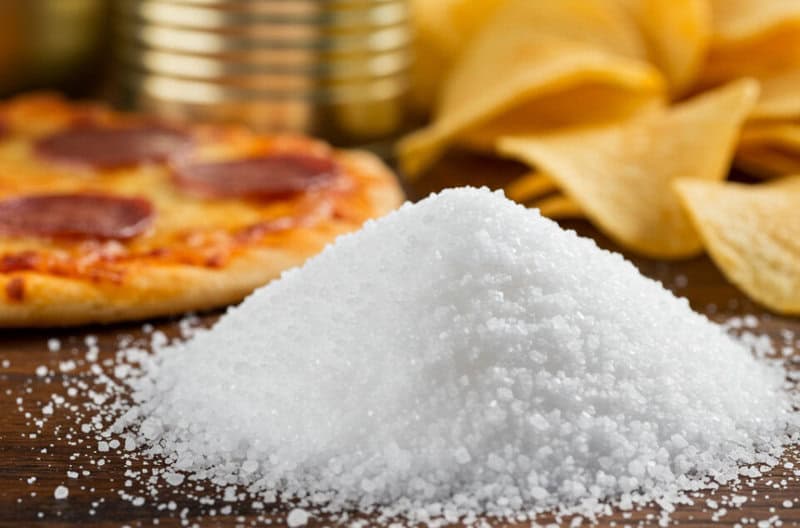
According to the World Health Organization, most people worldwide consume more than double the WHO recommended sodium limit (mean 4278 mg/day vs. under 2000 mg/day), and in many high-income countries a large share of that sodium comes from processed foods. This excessive sodium intake is a growing global health challenge, associated with an estimated 1.7 million deaths each year (WHO, 2023 estimate). The cardiovascular, renal, and nervous systems are particularly vulnerable to the harmful effects of high salt consumption. Unfortunately, the symptoms of salt-related health problems often emerge late, making early detection and intervention difficult and emphasizing the importance of public awareness and preventive strategies.
1. High Blood Pressure

Excessive salt intake is a leading cause of high blood pressure, or hypertension, affecting millions globally. When you consume too much salt, your body retains extra water to dilute the sodium in your bloodstream. This increases the volume of blood, putting additional pressure on your blood vessels. Over time, this persistent pressure can stiffen arteries and strain the heart, raising the risk of heart disease and stroke.
A notable case study published in the New England Journal of Medicine showed that individuals who reduced their salt intake experienced significant decreases in blood pressure, especially those already diagnosed with hypertension. Early warning signs of high blood pressure are often subtle or nonexistent, earning it the nickname “the silent killer.” Most people with high blood pressure have no symptoms; in severe cases, headache, dizziness, or vision changes may occur.
Regular monitoring is essential for early detection. Home blood pressure monitors and routine check-ups can help identify issues before they become severe. For more information on hypertension and salt, visit the Centers for Disease Control and Prevention.
2. Stroke Risk

Elevated sodium consumption significantly increases the risk of stroke, a life-threatening condition where blood flow to part of the brain is interrupted. High salt intake raises blood pressure, which is the most significant modifiable risk factor for stroke. According to a large-scale analysis by the American Heart Association, populations with high average sodium intake have substantially higher rates of stroke compared to countries with lower salt consumption.
For instance, Japan historically experienced higher stroke mortality rates, a trend linked to traditional diets rich in salty foods. However, following national salt-reduction campaigns, stroke rates have declined significantly. In contrast, countries with lower sodium diets, such as Finland after its successful salt reduction initiatives, have observed marked decreases in stroke incidence, as highlighted in a study published in PubMed.
Early stroke symptoms include sudden numbness or weakness (especially on one side of the body), confusion, difficulty speaking, vision changes, dizziness, and severe headache. Recognizing these warning signs and seeking immediate medical attention are critical for improving outcomes and reducing disability.
3. Heart Disease

Consistently high salt intake damages cardiovascular health by contributing to arterial stiffness, left ventricular hypertrophy, and the acceleration of atherosclerosis. Excess sodium causes the body to retain water, increasing blood volume and putting added strain on the heart and blood vessels. Over time, this can lead to the development of heart disease, including coronary artery disease and heart failure.
According to the Centers for Disease Control and Prevention, heart disease is the leading cause of death in the United States. In the United States, more than 900,000 people die from cardiovascular disease each year (919,032 in 2023, per CDC). Excess sodium contributes to high blood pressure, a major risk factor for heart disease, and reducing sodium intake is estimated to prevent many cardiovascular deaths.
To protect cardiovascular health, the World Health Organization recommends consuming less than 5 grams (about one teaspoon) of salt per day for adults. Adhering to these guidelines, reading nutrition labels, and choosing fresh, unprocessed foods are key steps in managing salt intake and reducing the risk of heart disease.
4. Kidney Damage

The kidneys play a vital role in filtering excess sodium from the bloodstream, maintaining fluid and electrolyte balance. When salt intake is consistently high, the kidneys must work harder to excrete the surplus sodium, which over time can impair their function. High salt intake can raise blood pressure and worsen existing kidney disease, which over time increases the risk of kidney damage.
Comparative data suggest significant differences in kidney health between populations with varying sodium consumption. Conversely, communities that follow diets naturally lower in salt, such as the traditional Mediterranean diet, demonstrate lower incidences of kidney-related problems.
Warning signs of kidney trouble include swelling in the legs or ankles, fatigue, changes in urination patterns, and persistent high blood pressure. Early detection is crucial, as kidney disease often progresses silently until it reaches advanced stages. For more information, visit the National Kidney Foundation.
5. Osteoporosis

High salt intake doesn’t just affect blood pressure and kidney health—it also has a significant impact on your bones. Consuming excessive sodium causes the body to excrete more calcium through urine, which can deplete calcium levels necessary for strong bone formation and maintenance. Over time, this loss of calcium may contribute to decreased bone density and increase the risk of osteoporosis, a condition where bones become brittle and more prone to fractures.
A landmark study published in the American Journal of Clinical Nutrition found that women who consumed diets high in salt had lower bone mineral density compared to those with moderate or low sodium intake. The World Health Organization lists osteoporosis among conditions associated with high sodium intake; postmenopausal-specific effects are not established here.
Screening options for osteoporosis include bone mineral density (BMD) testing, such as a DEXA scan, which can detect bone loss before fractures occur. Regular screening is particularly important for older adults and those with risk factors such as high salt diets. For more information, visit the National Osteoporosis Foundation.
6. Stomach Cancer

A growing body of evidence links high consumption of salty foods with an increased risk of stomach cancer. Excessive salt can damage the stomach lining, making it more susceptible to infection by Helicobacter pylori, a bacterium strongly associated with gastric cancer. Additionally, salt-preserved foods can contain carcinogenic compounds that further elevate cancer risk.
Research from Japan, where traditional diets are often rich in salted and pickled foods, has been especially informative. A landmark cohort study published in the BMJ followed nearly 40,000 adults and found a clear dose-response relationship: those with the highest salt intake had double the risk of developing stomach cancer compared to those with the lowest intake. As Japan implemented national dietary changes to reduce salt consumption, rates of stomach cancer have declined, underscoring the importance of dietary interventions.
Warning signs of stomach cancer can be subtle and include persistent indigestion, stomach pain, unexplained weight loss, nausea, and vomiting. Early detection improves outcomes, so individuals experiencing these symptoms should consult a healthcare professional. For more information, visit the American Cancer Society.
7. Fluid Retention

Consuming too much salt disrupts the body’s natural fluid balance, leading to water retention. When sodium levels in the bloodstream rise, the body compensates by holding onto water to dilute the excess salt, resulting in swelling, or edema, often in the hands, feet, ankles, or face. This mechanism is particularly pronounced in individuals with underlying heart or kidney issues, but can affect anyone who regularly consumes salty foods.
A real-life example is the story of Maria, a 52-year-old office worker who noticed her rings fitting tightly and her ankles swelling after long workdays. After consulting her doctor and tracking her diet, she realized her frequent consumption of processed snacks and restaurant meals contributed to her symptoms. With dietary adjustments to reduce her salt intake and increase her water consumption, Maria saw a noticeable decrease in swelling within weeks.
To minimize fluid retention, practical tips include preparing meals at home, using herbs and spices instead of salt, reading nutrition labels, and choosing fresh produce over processed foods. If swelling persists or worsens, it’s important to consult a healthcare professional to rule out serious underlying conditions. For more guidance, visit the American Heart Association.
8. Headaches

High salt intake has been shown to increase the risk and severity of headaches. Excessive sodium can cause blood vessels in the brain to expand or contract rapidly, altering blood flow and triggering pain receptors. Additionally, salt-induced dehydration—often resulting from the body’s attempt to expel excess sodium—can further contribute to headache development, particularly tension and migraine types.
Research published in the BMJ found that individuals consuming a high-sodium diet experienced headaches about one-third more often than those on a low-sodium diet, regardless of their blood pressure status. The study compared participants following the DASH (Dietary Approaches to Stop Hypertension) diet, which is naturally lower in salt, to those eating typical Western diets high in processed foods. Those on the DASH diet reported fewer and less severe headaches, emphasizing the benefits of reducing sodium intake.
While occasional headaches are common, persistent or severe headaches may indicate an underlying health issue. If headaches are frequent, worsening, or accompanied by symptoms such as visual disturbances, confusion, or high blood pressure, it is important to consult a healthcare provider. For more information, visit the American Migraine Foundation.
9. Kidney Stones

High salt intake is a significant contributor to the formation of kidney stones. When you consume excess sodium, your kidneys must filter out the surplus, which leads to increased excretion of calcium in the urine. This higher urinary calcium can combine with other minerals to form stones, most commonly calcium oxalate stones. The risk is further heightened in individuals who are genetically predisposed or have other dietary risk factors.
Evidence links high sodium diets to increased kidney stone recurrence rates. Participants who lowered their sodium intake saw a significant reduction in stone formation, reinforcing the importance of dietary management for those at risk.
Early warning symptoms of kidney stones include sharp pain in the back or side, blood in the urine, frequent urination, and nausea. Some stones may pass unnoticed, but larger stones can cause severe discomfort and complications. Prompt medical evaluation is recommended if any of these symptoms occur. For more information, visit the National Kidney Foundation.
10. Heart Failure

Salt overload is particularly dangerous for individuals with heart failure, as it increases the body’s fluid volume and puts extra strain on an already weakened heart. When sodium levels are high, the body retains more water, which can accumulate in the lungs, abdomen, and extremities. This fluid buildup makes it harder for the heart to pump blood efficiently, often leading to a worsening of heart failure symptoms and complications.
Excess dietary salt is widely considered a trigger for decompensated heart failure and is associated with higher rates of emergency hospitalizations. Even small increases in sodium intake can destabilize heart failure patients, underscoring the importance of strict dietary adherence.
Signs of worsening heart failure include rapid weight gain due to fluid retention, increased swelling in the legs and ankles, shortness of breath at rest or during activity, persistent coughing or wheezing, and extreme fatigue. If these symptoms appear or worsen, prompt medical attention is critical. For additional information and management tips, visit the American Heart Association.
11. Stroke Recurrence

After surviving a stroke, maintaining a low-sodium diet is critical to reducing the risk of recurrence. High salt intake raises blood pressure, which is the most significant risk factor for a second stroke. Research has shown that individuals who continue to consume excessive salt after a stroke are more likely to experience another event, often with more severe outcomes.
A study published in the journal Stroke compared stroke survivors with varying dietary sodium levels. Those who adhered to a low-salt diet had markedly lower rates of recurrent strokes and improved overall health compared to those who did not reduce their sodium intake. The findings highlight the importance of comprehensive dietary changes alongside medication and lifestyle modifications.
Dietary advice for stroke survivors includes limiting processed and packaged foods, cooking with fresh ingredients, and using herbs and spices for flavor instead of salt. Monitoring food labels and prioritizing fruits, vegetables, lean proteins, and whole grains can help maintain sodium intake within recommended limits. For detailed stroke recovery and prevention guidelines, visit the American Stroke Association.
12. Left Ventricular Hypertrophy

Excessive salt consumption has a direct impact on heart structure, specifically leading to left ventricular hypertrophy (LVH)—the abnormal thickening of the heart’s main pumping chamber. When sodium intake is high, the resulting increase in blood pressure forces the left ventricle to work harder to circulate blood. Over time, this increased workload causes the ventricular walls to thicken, which can reduce the heart’s efficiency and raise the risk of cardiac complications, including arrhythmias and heart failure.
Echocardiogram studies have confirmed this association. Research published in the journal Circulation demonstrated that individuals with higher urinary sodium excretion—a marker of salt intake—showed greater left ventricular mass on imaging compared to those with lower sodium consumption. These findings highlight the structural impact of salt on the heart, independent of other risk factors.
Screening for LVH typically involves an echocardiogram, a non-invasive ultrasound test that measures heart wall thickness and function. Individuals with a history of hypertension or high salt intake should discuss cardiac screening with their healthcare provider. For more information about LVH and cardiovascular health, visit the Centers for Disease Control and Prevention.
13. Aneurysm Risk

High salt intake contributes to elevated blood pressure, a primary risk factor for the development of aneurysms—dangerous bulges in blood vessel walls that can rupture with life-threatening consequences. The constant pressure exerted on arteries by uncontrolled hypertension weakens vessel walls over time, making them more susceptible to forming aneurysms, particularly in the brain (cerebral aneurysms) and the aorta.
A CNN Health news report highlighted the story of a man who suffered a ruptured brain aneurysm after years of untreated high blood pressure linked to a high-sodium diet. Medical experts quoted in the report emphasized the critical role that salt reduction plays in lowering blood pressure and, consequently, the risk of aneurysm formation.
Warning signs of an aneurysm can be subtle or absent until rupture occurs. For cerebral aneurysms, symptoms may include sudden, severe headache, vision problems, or loss of consciousness. Abdominal aortic aneurysms may cause pulsating pain in the abdomen or back. Immediate medical attention is crucial if these symptoms appear. Learn more about aneurysm prevention and detection at the American Stroke Association.
14. Cognitive Decline

Excessive salt consumption has emerged as a potential risk factor for cognitive decline and impaired brain health. Some observational studies suggest high sodium intake may be associated with cognitive decline and dementia, but more research is needed. Salt-induced hypertension may further accelerate these processes, and high sodium intake may damage blood vessels supplying the brain.
Recent research published in the journal Stroke found that older adults with higher sodium consumption experienced faster rates of cognitive decline and poorer performance on memory tests than those who followed a low-salt diet. As observational research, these findings show an association rather than proof of cause. Additional evidence from the Alzheimer’s Association highlights the importance of maintaining healthy blood pressure and sodium levels to protect brain health.
Early signs of cognitive decline may include frequent forgetfulness, difficulty concentrating, trouble recalling names or words, and challenges in decision-making or planning. If you notice persistent memory issues in yourself or a loved one, consult a healthcare professional for evaluation. For more information, visit the Alzheimer’s Association.
15. Eye Health Issues

Excess salt intake can negatively impact eye health by increasing blood pressure. High blood pressure from excess salt can contribute to hypertensive retinopathy, a condition characterized by damage and narrowing of the tiny blood vessels supplying the retina. A direct link to glaucoma has not been established.
Studies, such as one published in the JAMA Ophthalmology, have shown that populations with higher sodium consumption have increased rates of retinopathy, especially among individuals with hypertension or diabetes. By contrast, those who maintain lower salt diets and better blood pressure control have a reduced incidence of retinal vascular damage and related vision loss.
Symptoms of salt-related eye issues may include blurred vision, floaters, eye pain, or sudden vision changes. If you experience any of these warning signs—or have risk factors such as high blood pressure or diabetes—it is important to schedule a comprehensive eye exam. For more information, visit the American Academy of Ophthalmology.
16. Increased Thirst

Consuming too much salt naturally makes you feel thirsty. When you ingest excess sodium, it raises the concentration of salt in your bloodstream. Your body responds by triggering the thirst mechanism, prompting you to drink more water to dilute the sodium and restore balance. This process is closely regulated by the hypothalamus and the hormone vasopressin, which help maintain proper fluid levels.
A comparison of daily intake reveals the impact of dietary salt on thirst. According to the Centers for Disease Control and Prevention, most Americans consume over 3,400 mg of sodium per day—far above the recommended limit of 2,300 mg. People who eat processed or salty foods report higher levels of daily thirst compared to those with lower sodium diets, as their bodies constantly strive to maintain fluid balance.
To manage increased thirst and prevent dehydration, choose water as your primary beverage, limit salty snacks, and incorporate more fresh fruits and vegetables. Monitor urine color as a simple hydration check—light yellow usually means you’re well-hydrated. For more hydration tips and sodium guidance, visit the American Heart Association.
17. Increased Risk of Diabetes Complications

Excess salt intake can significantly worsen outcomes for individuals living with diabetes. High sodium consumption not only raises blood pressure—a major risk factor for both type 1 and type 2 diabetes complications—but also accelerates kidney damage and increases the likelihood of cardiovascular events. Salt-induced hypertension can hasten diabetic nephropathy, a leading cause of kidney failure in people with diabetes.
Research published in Diabetes Care found that individuals with diabetes who consumed higher amounts of sodium faced a greater risk of heart disease, stroke, and kidney issues compared to those who adhered to lower sodium diets. The study highlighted that even moderate reductions in salt intake led to improved health outcomes and a lower incidence of diabetes-related complications.
For optimal diabetes management, regular monitoring of both blood glucose and blood pressure is essential. Individuals should read nutrition labels carefully, avoid highly processed foods, and consult their healthcare provider about setting realistic sodium limits. For more practical strategies on managing diabetes and salt, visit the American Diabetes Association.
18. Sleep Disturbances

High salt intake has been shown to negatively impact sleep quality, contributing to issues such as frequent nighttime urination (nocturia), disruptions in sleep cycles, and increased risk of insomnia. Excess sodium causes the body to retain more fluid, which is often expelled during the night, leading to repeated awakenings. Furthermore, elevated blood pressure and increased sympathetic nervous system activity—both of which can result from high sodium consumption—may make it more difficult to fall asleep and stay asleep.
A study published in Sleep found that individuals with high-sodium diets reported more sleep disturbances and reduced overall sleep efficiency compared to those with lower sodium intake. The research suggests that salt reduction can have a positive effect on both the quantity and quality of sleep, particularly in older adults and those with underlying health conditions.
To improve sleep hygiene, consider reducing salt intake, establishing a regular bedtime routine, avoiding caffeine and heavy meals close to bedtime, and keeping your bedroom cool and dark. For more sleep improvement strategies and information on the impact of diet on sleep, visit the Sleep Foundation.
19. Possible Effects on Immune Function

Some animal studies suggest excessive salt consumption may affect the immune system and its ability to fight off infections. High sodium levels have been reported to alter the activity of certain immune cells, such as neutrophils and macrophages, which may make them less effective at responding to pathogens. Chronic salt overload may also promote inflammation.
A laboratory study published in Science Translational Medicine found that mice fed a high-salt diet were more susceptible to bacterial infections, displaying delayed recovery and heightened inflammation. Human evidence on whether excess sodium affects infection or autoimmune disease risk is preliminary, and more research is needed.
To support a healthy immune system, practical steps include moderating salt intake, prioritizing fresh fruits and vegetables rich in vitamins and antioxidants, and maintaining overall balanced nutrition. Regular physical activity and adequate sleep also bolster immune function. For more information on the relationship between diet and immune health, visit the Harvard T.H. Chan School of Public Health.
20. Possible Link to Autoimmune Disease

Emerging evidence suggests a possible link between high salt intake and autoimmune diseases, where the immune system mistakenly attacks the body’s own tissues. Some laboratory work suggests excess sodium may influence the activity of certain immune cells, such as T-helper 17 (Th17) cells, which play a central role in autoimmune responses and inflammation. Whether this affects autoimmune risk in humans has not been established.
A large population study published in Nature found that individuals consuming diets high in processed and salty foods had a greater incidence of autoimmune conditions, including multiple sclerosis and rheumatoid arthritis, compared to those with lower sodium intake. Because this is an observational finding, it does not establish that dietary salt causes autoimmune disease, and human evidence remains preliminary.
Signs and symptoms of autoimmune disease can be varied, but commonly include chronic fatigue, joint pain or swelling, persistent skin rashes, and unexplained fevers. Early recognition and medical evaluation are crucial for timely diagnosis and management. For more information, visit the National Institute of Arthritis and Musculoskeletal and Skin Diseases.
21. Arterial Stiffness

High sodium intake is a key factor in the development of arterial stiffness, a condition where blood vessels lose their natural elasticity and become less able to expand and contract with each heartbeat. Sodium damages the inner lining of arteries (the endothelium) and promotes the buildup of collagen, leading to thickened and rigid vessel walls. This loss of flexibility increases the workload on the heart and raises the risk of hypertension, heart attack, and stroke.
A comparative study published in Hypertension showed that individuals with a high-salt diet had significantly reduced arterial flexibility compared to those with lower sodium intake, even when controlling for other cardiovascular risk factors. The research highlights that arterial stiffness can develop silently over time, often without noticeable symptoms in the early stages.
Screening for arterial stiffness is possible through non-invasive tests such as pulse wave velocity (PWV) measurements and arterial ultrasound. Adults with high blood pressure or a history of excessive salt consumption should discuss vascular screening with their healthcare provider. For more details on arterial health, visit the American Heart Association.
22. Possible Risk of Dementia

A growing body of evidence suggests that high salt intake may increase the risk of developing dementia, including both Alzheimer’s disease and vascular dementia. Elevated sodium levels can contribute to high blood pressure and damage to blood vessels in the brain, leading to reduced cerebral blood flow and an increased likelihood of cognitive impairment and neurodegenerative disorders. Salt-induced inflammation and oxidative stress may also play roles in accelerating brain cell damage.
Clinical research published in The Journal of the American Medical Directors Association found that older adults with diets high in sodium were more likely to experience cognitive decline and develop dementia than those who consumed less salt. As an observational finding, this association does not prove cause, and more research is needed. The study emphasized the importance of dietary sodium reduction in preserving brain health and delaying the onset of dementia symptoms.
Early signs that may warrant intervention include persistent memory loss, confusion, difficulty performing familiar tasks, and changes in mood or personality. Early detection and lifestyle modification, including reducing salt intake, may help slow disease progression. For more on dementia prevention and management, visit the Alzheimer’s Association.
23. Poor Skin Health

Excessive salt intake can negatively affect skin health. High salt intake may increase fluid loss and thirst, but evidence that it directly causes dry or irritated skin is limited. Salt-induced water retention can cause puffiness, especially around the eyes and face, altering the skin’s overall appearance.
Case comparisons highlight these effects: individuals with high-sodium diets often report more issues with dryness, swelling, and dullness, while those who follow low-salt, water-rich diets (focused on fruits and vegetables) enjoy more hydrated, supple, and glowing skin. Evidence from research published in the journal Nutrients on whether reducing salt intake and increasing hydration improves skin barrier function and appearance is limited, and no firm conclusion can be drawn yet.
For healthier skin, limit processed and salty foods, drink plenty of water, and choose skincare products designed for hydration. Incorporating foods rich in vitamins C and E, as well as antioxidants, can further support skin repair and vitality. If persistent dryness or puffiness occurs, consider consulting a dermatologist. For more skincare and nutrition advice, visit the American Academy of Dermatology.
24. Fatigue

Some survey data link higher salt intake with daytime fatigue, but salt is not an established cause of fatigue. High sodium levels may cause the body to retain fluid, which may place extra strain on the heart and kidneys. Fatigue is a nonspecific symptom with many possible causes.
Population surveys, such as those referenced by the Centers for Disease Control and Prevention (CDC), show that individuals reporting higher salt consumption are more likely to experience daytime fatigue and low energy compared to those who maintain moderate sodium levels. This pattern is seen across age groups and is especially pronounced in people with underlying health conditions or sedentary lifestyles.
To combat fatigue and improve energy levels, consider reducing salt intake by cooking at home, limiting processed foods, and focusing on hydration. Opt for potassium-rich foods like bananas and leafy greens to support electrolyte balance. For more information on nutrition and energy, visit the Harvard T.H. Chan School of Public Health.
25. Shortness of Breath

High salt intake can contribute to shortness of breath, especially in individuals with underlying heart or kidney conditions. When excessive sodium is consumed, the body retains more water to balance the increased salt levels in the bloodstream. This leads to fluid accumulation in the lungs (pulmonary edema) and around the heart, making it harder for the lungs to expand fully and efficiently exchange oxygen. The resulting breathlessness may be mild at first but can quickly worsen if fluid overload continues.
Clinical data published by the National Institutes of Health (NIH) show that people with high-sodium diets are at a greater risk of developing respiratory symptoms, including shortness of breath and wheezing, particularly among those with chronic heart failure or kidney disease. This symptom is often one of the first warning signs of worsening fluid retention and may indicate the need for urgent medical evaluation.
If you experience sudden, severe, or persistent shortness of breath—especially if accompanied by swelling, chest pain, or confusion—seek medical attention immediately. Early intervention can prevent serious complications. For more information on breathing issues and salt, visit the American Heart Association.
26. Muscle Cramps

Salt plays a crucial role in maintaining the body’s electrolyte balance, which is vital for proper muscle function. High sodium intake alone is not a well-established cause of muscle cramps; cramps are more commonly linked to dehydration and exertion, particularly during physical exercise or at night.
Athlete experiences suggest that those who consume excessive salt or sports drinks high in sodium may report more frequent muscle cramping, especially in hot conditions where dehydration is also a risk. Cramps are more commonly linked to dehydration and exertion. Proper hydration and electrolyte management are emphasized in sports medicine to prevent these issues.
Prevention techniques include moderating salt intake, staying well-hydrated, and ensuring a diet rich in potassium (bananas, potatoes), calcium (dairy, leafy greens), and magnesium (nuts, seeds). Stretching before and after exercise also helps. For more advice, visit the Centers for Disease Control and Prevention.
27. High Cholesterol

Salt does not directly raise cholesterol levels. However, diets high in salt are often rich in processed foods, which are often also high in unhealthy fats that can raise LDL (‘bad’) cholesterol. Excessive salt can also damage blood vessels and promote inflammation, compounding the cardiovascular risks associated with high cholesterol.
A nutritional study published in the American Journal of Clinical Nutrition found that individuals who consumed more processed and salty foods were more likely to have higher cholesterol levels and a greater risk of heart disease. The study emphasized that reducing sodium intake often leads to healthier food choices overall, such as increased consumption of fruits, vegetables, and whole grains.
Practical dietary swaps include replacing salty snacks with unsalted nuts, fresh fruit, or yogurt; opting for homemade meals instead of fast food; and using herbs or lemon juice for flavor instead of salt. These changes can help balance cholesterol levels and support overall heart health. For more tips, visit the Centers for Disease Control and Prevention.
28. Increased Appetite and Weight Gain

Salty processed foods are often calorie-dense and may promote overeating. High sodium content enhances flavor, making processed foods more palatable. Salt’s direct effect on appetite is not well established, but salty snacks, fast food, and ready-made meals are energy-dense items that can contribute to eating more calories than needed.
Obesity data from the Centers for Disease Control and Prevention (CDC) reveal a strong link between diets high in processed, salty foods and increased rates of overweight and obesity. Individuals who regularly consume salty snacks and convenience foods are more likely to surpass daily calorie needs, leading to gradual weight gain and associated health risks such as diabetes and heart disease.
Mindful eating tips include savoring food slowly, choosing snacks with little or no added salt, preparing meals at home with fresh ingredients, and paying attention to hunger cues instead of eating out of habit. Reading nutrition labels can help identify hidden sources of sodium. For more guidance on healthy eating and weight management, visit the Harvard T.H. Chan School of Public Health.
29. Dehydration

High salt intake increases thirst and urine output. Dehydration occurs mainly when fluid intake is inadequate, and symptoms are more likely if additional water is not consumed after salty meals. In extreme cases, the kidneys may struggle to expel the surplus sodium, further compounding fluid loss.
Common symptoms of dehydration include dry mouth, headache, fatigue, dizziness, dark yellow urine, and confusion. These signs may be particularly pronounced after eating salty meals or snacks. Severe dehydration can lead to more serious complications, such as kidney stones or heat exhaustion, especially in hot weather or during physical activity.
To stay hydrated, limit salty processed foods, drink water regularly throughout the day, and include hydrating foods like fruits and vegetables in your diet. Monitor the color of your urine as an easy indicator of hydration status—pale yellow suggests adequate fluid intake. For more information on dehydration prevention and tips on maintaining electrolyte balance, visit the Centers for Disease Control and Prevention.
30. Possible Link to Asthma Symptoms

Some studies suggest high salt intake may be associated with asthma symptoms, but evidence is limited and salt is not an established asthma trigger. High sodium levels have been proposed to enhance the reactivity of the airways, though this mechanism is speculative. This could be a concern for individuals with existing respiratory conditions, as it may worsen symptoms such as wheezing, coughing, and shortness of breath.
Studies referenced by the American Lung Association suggest that populations with higher salt consumption may have a greater prevalence of asthma symptoms, but the evidence is limited. Some reports link high-sodium diets with more frequent asthma attacks and increased medication use, though salt is not an established asthma trigger. While salt is not the sole cause, it may be a modifiable factor that can influence disease management.
For asthma sufferers, it is advisable to limit processed and salty foods, maintain a balanced diet rich in antioxidants, and stay well-hydrated. Monitoring symptoms and avoiding known triggers are also crucial. For more information on managing asthma and dietary tips, visit the Centers for Disease Control and Prevention.
31. Hearing Loss

Some population studies link high sodium intake with hearing impairment, but the mechanism is not established. Researchers have proposed that fluid changes in the inner ear may play a role, but this has not been confirmed.
Epidemiological data from the Korean National Health and Nutrition Examination Survey found a significant association between high sodium intake and increased prevalence of hearing impairment, particularly among older adults. The study suggests that adopting a low-sodium diet may help reduce the risk of age-related hearing loss and other auditory problems.
Early signs of hearing loss include difficulty understanding conversations, frequently asking others to repeat themselves, ringing in the ears (tinnitus), and needing to increase the volume on electronic devices. If these symptoms arise, it is important to consult an audiologist or healthcare provider for evaluation. For more information, visit the National Institute on Deafness and Other Communication Disorders.
32. Increased Migraines

High salt intake has been identified as a potential trigger for migraines, a neurological condition characterized by intense, recurrent headaches often accompanied by nausea and sensitivity to light or sound. Excess sodium can lead to fluctuations in blood pressure and fluid balance, which in turn may affect blood vessels in the brain and increase the risk of migraine attacks. These vascular changes are thought to play a key role in migraine onset and severity.
Research published in the Journal of Headache and Pain found that individuals who consumed higher amounts of dietary sodium experienced more frequent migraines compared to those with lower sodium intake. The study also noted that reducing salt consumption led to a noticeable decrease in the number and intensity of headache episodes, highlighting dietary salt as a modifiable risk factor for migraine sufferers.
Common migraine triggers to watch for include salty processed foods, dehydration, stress, certain cheeses, and irregular sleep patterns. Keeping a headache diary can help identify patterns and manage triggers. For more resources on migraine prevention and dietary guidance, visit the American Migraine Foundation.
33. Gout Flare-Ups

Some people with gout report flares after salty meals; the effect of sodium on gout is not well established. Proposed explanations involve fluid retention and kidney function, which might affect how the body clears uric acid, but this has not been established. When uric acid accumulates in the bloodstream, it crystallizes in the joints, leading to the painful inflammation characteristic of gout attacks.
Patient experiences reported by the Arthritis Foundation describe intense joint pain, swelling, and redness—especially in the big toe or lower limbs—sometimes after salty meals. Many individuals with gout have observed that reducing salty processed foods correlates with fewer flare-ups, but these are anecdotal reports rather than established evidence.
Recommendations for gout management include following a low-sodium, low-purine diet, staying well-hydrated, and limiting foods like cured meats, processed snacks, and canned soups. Regular check-ups and monitoring uric acid levels are crucial for long-term control. For more resources on gout and dietary management, visit the Centers for Disease Control and Prevention.
34. Blood Vessel Damage

High salt intake is a major contributor to blood vessel damage, primarily by harming the endothelium—the delicate lining inside blood vessels. Excess sodium promotes inflammation and oxidative stress, which can weaken the endothelial barrier and make the vessels more prone to stiffening and narrowing (atherosclerosis). This damage impairs the vessels’ ability to dilate and contract, increasing the risk of heart attacks, strokes, and peripheral artery disease.
Angiogram comparisons, as highlighted in research published by the American Heart Association, show that individuals with high-sodium diets often have more pronounced narrowing and irregularities in their arteries compared to those with healthy sodium intake. These changes can occur even in the absence of overt clinical symptoms, underscoring the silent yet progressive nature of salt-induced vascular injury.
To protect vascular health, reduce salt intake by avoiding processed foods, cooking with fresh ingredients, and using herbs for flavor. Regular physical activity, quitting smoking, and managing blood pressure are also crucial. For more tips on maintaining healthy blood vessels, visit the American Heart Association.
35. Peripheral Edema

Peripheral edema refers to the swelling of the arms, legs, hands, or feet, often caused by fluid accumulation in the tissues. High salt intake is a significant contributor to this condition, as excess sodium prompts the body to retain water to maintain electrolyte balance. This retained fluid typically pools in the extremities due to gravity, resulting in visible puffiness and discomfort, especially after standing or sitting for prolonged periods.
Patient case studies published in the Journal of Family Medicine and Primary Care illustrate that individuals who consume high-sodium diets frequently report limb swelling that improves when they reduce salt intake. One case highlighted a patient who experienced dramatic reduction in ankle and foot edema within weeks of switching to a low-sodium diet and increasing physical activity.
Suggestions for relief include elevating swollen limbs above heart level, wearing compression stockings, reducing salt in the diet, and staying active to promote healthy circulation. Persistent or severe edema can signal underlying heart, kidney, or liver problems and should prompt a visit to a healthcare provider. For more information, visit the Cleveland Clinic.
36. Increased Risk of Atrial Fibrillation

Excessive salt intake can disrupt the delicate balance of electrolytes necessary for normal heart rhythm, increasing the risk of atrial fibrillation (AFib). AFib is an irregular, often rapid heart rhythm that can lead to blood clots, stroke, heart failure, and other heart-related complications. High sodium levels can elevate blood pressure and cause structural changes in the heart, such as enlargement of the left atrium, which predispose individuals to arrhythmias.
Population studies, such as one published in the European Heart Journal, have demonstrated that higher dietary sodium is associated with an increased incidence of atrial fibrillation, particularly among older adults and those with pre-existing cardiovascular conditions. These findings underscore the importance of sodium reduction as a preventive strategy for heart rhythm disorders.
Arrhythmia warning signs include palpitations, a fluttering or racing heartbeat, shortness of breath, dizziness, chest discomfort, and fatigue. If you experience these symptoms, especially if they begin suddenly or are accompanied by chest pain or fainting, seek medical attention promptly. For more information on AFib and salt’s impact on heart rhythm, visit the American Heart Association.
37. Liver Health and Cirrhosis

Sodium restriction helps manage fluid retention in people with cirrhosis, a severe form of liver scarring that impairs liver function. High salt is not an established cause of liver disease, though it can add to fluid problems in people who already have cirrhosis.
Cirrhosis data from the World Journal of Gastroenterology indicate that individuals with diets high in salt are more likely to experience complications such as ascites (fluid accumulation in the abdomen) and hepatic encephalopathy. Patients with cirrhosis who reduce their sodium intake show improved symptom control and better overall outcomes, as sodium restriction helps manage fluid retention and prevent further liver damage.
Monitoring liver health involves regular blood tests (such as liver function panels), imaging studies, and attention to symptoms like abdominal swelling, jaundice, and unexplained fatigue. Individuals at risk should work closely with their healthcare providers to set sodium limits and monitor liver status. For more information, visit the Hep Magazine.
38. Bladder Irritation

High salt intake may aggravate the lining of the bladder in some people, leading to discomfort, urgency, and increased frequency of urination. Sodium may draw extra water into the urinary tract, increasing urine volume and potentially causing the bladder to contract more often. Some people with interstitial cystitis report that salty foods worsen their symptoms; this is anecdotal and not established. Salt is not an established cause of cystitis, which is typically infection-related.
Patient testimonials reported by the Interstitial Cystitis Association often describe a clear connection between salty foods and flare-ups of bladder irritation. Many individuals notice increased burning, pain, or urgency after consuming processed snacks, cured meats, or fast foods high in sodium. Adjusting dietary habits to lower salt intake frequently brings noticeable relief from these symptoms.
Tips for managing bladder irritation include limiting salty and processed foods, drinking plenty of water to dilute urine, and avoiding additional bladder irritants such as caffeine and artificial sweeteners. Keeping a food and symptom diary can help identify personal triggers. For more guidance on managing bladder health and dietary strategies, visit the Urology Care Foundation.
39. Possible Link to Pancreatic Cancer

Some studies have suggested a possible link between high sodium and pancreatic cancer, but evidence is limited and inconsistent. Excessive dietary sodium has been proposed to contribute to inflammation and oxidative stress in the pancreas, though this mechanism is not established.
A peer-reviewed study published in BMC Cancer examined dietary patterns in various populations and found that individuals with higher sodium and processed meat intake had a greater likelihood of developing pancreatic cancer compared to those who consumed less salt. While more research is needed to fully understand the mechanisms, these findings highlight the importance of dietary sodium moderation as part of cancer prevention strategies.
Screening options for pancreatic cancer are limited but may include imaging tests such as abdominal ultrasound, CT scans, or MRI, especially for those with a family history or known risk factors. Early symptoms can be vague, including abdominal pain, jaundice, or unexplained weight loss. For more information on pancreatic cancer prevention and screening, visit the American Cancer Society.
40. Poor Oral Health

Excessive salt intake can negatively affect oral health by drawing moisture from oral tissues and disrupting the natural balance of saliva in the mouth. High sodium consumption can lead to dry mouth (xerostomia), which reduces saliva’s protective effects and makes the oral environment more susceptible to bacteria and tooth decay. Salt-rich diets may also irritate the gums and mucous membranes, contributing to inflammation, bleeding, or even mouth ulcers.
Dentists have observed that patients who frequently consume salty snacks and processed foods are more likely to experience issues such as gum disease, cavities, and bad breath. According to the American Dental Association, maintaining proper hydration and limiting salty foods can help protect the integrity of oral tissues and promote healthy saliva production.
Oral hygiene recommendations include brushing teeth twice daily with fluoride toothpaste, flossing regularly, drinking plenty of water, and choosing fresh foods over salty processed snacks. Regular dental check-ups are also essential for early detection of oral health problems. For more advice on nutrition and oral care, visit the MouthHealthy by ADA.
41. Disrupted Hormone Balance

Excessive salt intake can disrupt the body’s finely tuned hormone regulation systems, particularly those involved in fluid and blood pressure balance. High sodium levels stimulate the release of hormones such as aldosterone and antidiuretic hormone (ADH), which act to retain water and increase blood volume. Chronic overconsumption of salt may result in persistent hormonal changes, leading to long-term imbalances that affect not only blood pressure but also kidney and adrenal gland function.
Endocrinology research published in The Journal of Clinical Endocrinology & Metabolism has demonstrated that high salt diets can alter aldosterone secretion and disrupt the renin-angiotensin-aldosterone system (RAAS), a hormone network crucial for blood pressure control and electrolyte balance. These disruptions can contribute to hypertension, edema, and increased cardiovascular risk.
Signs of hormone imbalance may include unexplained weight gain or loss, persistent fatigue, muscle weakness, blood pressure fluctuations, and swelling. If you notice these symptoms, consult an endocrinologist or healthcare provider for evaluation and management. For more information on salt and hormone health, visit the Hormone Health Network.
42. Nausea and Vomiting

Consuming excessive amounts of salt can trigger gastrointestinal symptoms such as nausea and vomiting. When the body is overwhelmed by high sodium levels, it attempts to restore balance by drawing water into the digestive tract. This can irritate the stomach lining, leading to discomfort, queasiness, and in some cases, acute vomiting. In severe cases, the rapid shift in fluid balance may also cause electrolyte disturbances, compounding gastrointestinal distress.
Emergency room (ER) data reported in the Western Journal of Emergency Medicine indicate that salt toxicity, though rare, can result from deliberate or accidental ingestion of large quantities of salt and often presents with sudden onset of vomiting, abdominal pain, and lethargy. Children and older adults are particularly vulnerable to these effects, especially when high-sodium foods are consumed in combination with inadequate hydration.
If you or someone you know experiences persistent nausea, repeated vomiting, severe abdominal pain, or signs of dehydration after consuming salty foods, seek medical care promptly. These symptoms may indicate acute salt toxicity or another underlying medical issue. For more on salt-related GI symptoms, visit the Poison Control Center.
43. Possible Link to Depression

Some survey data link diets high in processed and salty foods with depressive symptoms, but a causal mechanism has not been established.
Mental health surveys, such as those referenced by the National Institutes of Health (NIH), reveal that individuals with diets high in processed and salty foods are more likely to report depressive symptoms compared to those who consume more whole, nutrient-dense foods. The link is particularly strong in populations with additional risk factors, such as low physical activity or existing chronic health conditions.
Coping strategies include reducing intake of salty processed foods, adopting a balanced diet rich in fruits, vegetables, and whole grains, and engaging in regular exercise. Mindfulness practices, social support, and seeking professional help if symptoms persist are also beneficial. For more mental health resources and dietary advice, visit the U.S. Department of Health & Human Services Mental Health.
44. Unexplained Weight Loss
Unexplained weight loss can be a sign of serious conditions, including heart, kidney, or cancer disease; it should be evaluated by a doctor rather than attributed to salt.
Clinical observations published in the Journal of General Internal Medicine have noted that patients presenting with unexplained weight loss often have underlying medical issues, including those exacerbated by high sodium diets. In many cases, the weight loss is accompanied by other warning signs such as fatigue, swelling, digestive symptoms, or persistent infections.
If you experience unintended weight loss, especially if it is rapid or accompanied by other symptoms, it is important to seek medical evaluation. Early intervention can help identify and treat the underlying cause, whether it is salt-related or due to another serious condition. For more information, visit the National Cancer Institute.
45. Increased Risk of Allergies

There is growing evidence that high sodium intake may play a role in enhancing the body’s allergic response. Excessive salt can stimulate the activity of certain immune cells, such as T-helper cells, which are involved in allergic inflammation. This heightened immune activity can increase sensitivity to allergens, potentially exacerbating conditions like asthma, eczema, and hay fever. Sodium’s effect on the respiratory and skin barriers may also make these tissues more reactive to environmental triggers.
Allergy prevalence studies, such as one published in the European Respiratory Journal, have noted that populations with higher salt consumption report greater rates of allergy symptoms, particularly among children and young adults. The research suggests that dietary sodium reduction may help lower the incidence and severity of allergic diseases, especially in those who are genetically predisposed.
To reduce allergy risk, limit intake of processed and salty foods, maintain a balanced diet rich in fruits and vegetables, and avoid known environmental allergens when possible. Regularly washing hands, cleaning living spaces, and monitoring pollen counts can also help manage symptoms. For more information on allergies and prevention, visit the American Academy of Allergy, Asthma & Immunology.
46. Digestive Issues

Excess salt intake may affect the gut microbiome and digestive health. In mice, high-salt diets reduced beneficial gut bacteria such as Lactobacillus species, which play a role in maintaining digestive balance, supporting immune function, and protecting the gut lining. Whether this disruption affects digestion in humans is not established.
Research published in Nature found that in mice, high-salt diets altered gut microbiota composition. Whether this affects digestion in humans, such as causing bloating, constipation, or diarrhea, is not established.
Dietary recommendations to support healthy digestion include reducing processed and salty foods, increasing intake of fiber-rich vegetables, fruits, and whole grains, and incorporating probiotic foods like yogurt, kefir, or fermented vegetables. These steps help restore microbial balance and promote regular, comfortable digestion. For more guidance on gut health and diet, visit the American Gastroenterological Association.
47. Reduced Athletic Performance

Excess salt intake can negatively affect athletic performance by altering fluid and electrolyte balance, leading to dehydration, muscle cramps, and reduced stamina. When sodium levels are elevated, the body retains more water, which can result in bloating and increased blood pressure. During physical activity, the combination of fluid retention and increased thirst can impair thermoregulation and exercise efficiency, causing athletes to fatigue more quickly.
Athlete case studies reported in the British Journal of Sports Medicine describe individuals who, after consuming high-sodium diets, experienced more frequent muscle cramps, slower recovery, and decreased endurance during training and competition. Conversely, athletes who managed their sodium intake and focused on balanced hydration strategies reported improved performance and faster recovery times.
Sports nutrition tips include limiting salty processed snacks, replacing them with potassium-rich foods like bananas and sweet potatoes, and drinking water or balanced electrolyte solutions (not excessively salty sports drinks). Monitoring sweat loss and body weight before and after exercise can help fine-tune hydration needs. For further guidance on nutrition and athletic performance, visit the Academy of Nutrition and Dietetics.
48. Increased Risk of Metabolic Syndrome

Metabolic syndrome is a cluster of conditions—including high blood pressure, elevated blood sugar, abnormal cholesterol levels, and excess abdominal fat—that collectively raise the risk of heart disease, stroke, and type 2 diabetes. Excess salt consumption contributes to this syndrome by promoting hypertension, increasing insulin resistance, and fostering inflammation, all of which are key components of metabolic dysfunction.
Epidemiological data published in the Journal of the American Heart Association indicate that individuals with higher sodium intake have a significantly greater likelihood of developing metabolic syndrome compared to those who consume less salt. The study highlights the importance of dietary sodium reduction as a preventive strategy in those at risk, particularly in populations with rising rates of obesity and sedentary lifestyles.
Screening advice for metabolic syndrome includes regular monitoring of blood pressure, fasting glucose, cholesterol, and waist circumference. Early detection and lifestyle modifications—such as reducing salt and processed foods, increasing physical activity, and focusing on a balanced diet—can dramatically lower risk. For more information on metabolic syndrome and prevention, visit the Centers for Disease Control and Prevention.
49. Poor Wound Healing

Overall nutrition affects wound healing; the evidence that salt intake specifically slows healing or weakens scars is limited.
Hospital wound care reports, such as those discussed in the Advances in Skin & Wound Care journal, highlight that patients with poor nutritional status often experience slower healing, greater risk of infection, and more complications after surgery or injury. Adequate overall nutrition is emphasized as a key factor for efficient tissue repair and immune function.
Tips for optimal wound recovery include consuming a balanced diet rich in protein, vitamins C and E, and zinc, while minimizing processed, salty foods. Staying hydrated and following healthcare providers’ wound care instructions are also crucial. For more information on nutrition and wound healing, visit the Mount Sinai Health Library.
50. Taste Preference Reset

Consistently consuming high amounts of salt can desensitize your taste buds, making naturally flavored or lightly salted foods seem bland. This occurs because repeated exposure to intense salty flavors recalibrates the palate, causing the brain to crave more sodium to achieve the same level of taste satisfaction. Over time, this can lead to a cycle of increasing salt consumption and diminished enjoyment of healthier, lower-sodium foods.
Taste test comparisons, such as those referenced in a study published in Appetite, demonstrate that individuals on high-salt diets require more sodium to detect saltiness than those accustomed to low-salt diets. When participants reduced their sodium intake for several weeks, their taste sensitivity improved, and they began to prefer foods with less salt.
Strategies to retrain your taste buds include gradually reducing added salt in cooking, experimenting with herbs, spices, and citrus for flavor, and choosing fresh, unprocessed foods. Within a few weeks, your palate can adjust, making lower-sodium foods taste more appealing. For additional tips on salt reduction and taste retraining, visit the American Heart Association.
Conclusion

The evidence is clear: excessive salt consumption poses a serious threat to nearly every system in the body, from the heart and kidneys to the brain, skin, and beyond. Recognizing and managing salt intake is urgent for preventing a wide range of health risks, both immediate and long-term. Practical next steps include reading nutrition labels, choosing fresh over processed foods, cooking with less salt, and regularly screening for blood pressure and other risk factors. Small, consistent dietary changes can yield significant health benefits. For more guidance on salt reduction and health monitoring, visit the World Health Organization and the Centers for Disease Control and Prevention.
Disclaimer
The information provided in this article is for general informational purposes only. While we strive to keep the information up-to-date and correct, we make no representations or warranties of any kind, express or implied, about the completeness, accuracy, reliability, suitability, or availability with respect to the article or the information, products, services, or related graphics contained in the article for any purpose. Any reliance you place on such information is therefore strictly at your own risk.
In no event will we be liable for any loss or damage including without limitation, indirect or consequential loss or damage, or any loss or damage whatsoever arising from loss of data or profits arising out of, or in connection with, the use of this article.
Through this article you are able to link to other websites which are not under our control. We have no control over the nature, content, and availability of those sites. The inclusion of any links does not necessarily imply a recommendation or endorse the views expressed within them.
Every effort is made to keep the article up and running smoothly. However, we take no responsibility for, and will not be liable for, the article being temporarily unavailable due to technical issues beyond our control.
.article-content-img img { width: 100% }About the author
Keep reading

15 Signs of Liver Disease You Can See

15 Mistakes Measuring Your Blood Pressure

15 Visible Signs of Hyperthyroidism (Graves Disease) You Can See

15 Signs of Iron Deficiency You Can See
Advertisement