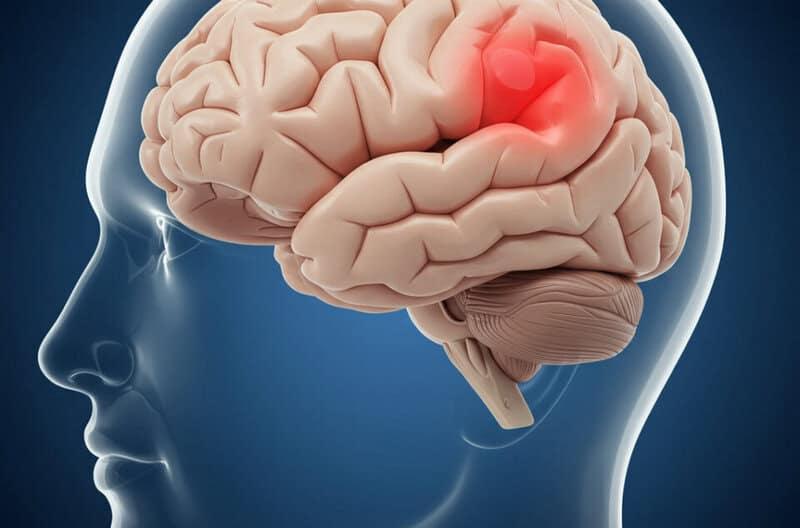
Each year, nearly 800,000 people in the United States experience a stroke, making it a leading cause of long-term disability and death. A stroke disrupts blood flow to the brain, an organ highly sensitive to oxygen deprivation. Despite its urgency, early stroke symptoms are often subtle or misunderstood, causing dangerous delays in treatment. Recognizing these silent warnings can mean the difference between recovery and permanent damage, yet many remain unaware of what to look for until it’s too late.
1. Sudden Numbness or Weakness

One of the most common yet frequently overlooked warning signs of a stroke is the sudden onset of numbness or weakness, particularly on one side of the body. This can affect the face, arm, or leg, and may appear without any warning. Unlike the gradual numbness that can come from sitting in an awkward position, stroke-related weakness is abrupt and often severe. For example, you might suddenly drop a cup, find it difficult to smile evenly, or feel as though your leg won’t support your weight. These symptoms are caused by a disruption in blood supply to the brain, affecting the area that controls muscle movement and sensation. According to the American Stroke Association, any sudden numbness or weakness, especially if isolated to one side, should be considered a medical emergency. Time is critical; rapid intervention can save brain cells and improve outcomes. If you or someone you know experiences these sudden changes, it’s essential to seek immediate help by calling emergency services. Even if the symptoms are brief or go away, they can be a warning of an impending or ongoing stroke, and prompt action is vital.
2. Confusion or Trouble Speaking

Another silent warning of stroke is the sudden onset of confusion or difficulty speaking. When a stroke affects the brain’s language centers—most often located in the left hemisphere—it can result in slurred speech, the inability to find the right words, or trouble understanding what others are saying. Imagine trying to have a conversation and suddenly finding your words jumbled or meaningless, or listening to someone but not comprehending their sentences. These symptoms can be frightening and are easy to dismiss as fatigue or stress, but they may signal a medical emergency. The Centers for Disease Control and Prevention (CDC) emphasizes that any sudden difficulty with speech or comprehension should be treated as a potential stroke. Quick response is crucial, as every minute without treatment increases the risk of long-term brain damage. If you notice that you, or someone with you, is suddenly confused, unable to speak clearly, or struggling to understand language, do not wait—call for emergency help immediately. Recognizing these changes, even if they seem minor or fleeting, can make a profound difference in recovery and survival.
3. Vision Problems in One or Both Eyes

Sudden changes in vision—such as blurred, double, or lost vision in one or both eyes—can be a subtle but serious sign of a stroke. Unlike gradual eye fatigue from staring at a screen or experiencing mild dryness, stroke-related visual disturbances strike abruptly and often without warning. It may feel as if a curtain has dropped over your field of vision, or that you can see clearly out of one eye but not the other. Some people report seeing flashing lights or losing a portion of their visual field altogether. These symptoms occur because a stroke can interrupt blood flow to the parts of the brain responsible for processing sight. According to the Stroke Association, sudden vision problems should never be ignored or attributed to eye strain alone. Time is of the essence; even temporary or partial vision loss can indicate a significant reduction in brain function. Prompt evaluation and medical attention can dramatically improve outcomes and may help prevent further brain injury. If you or someone you know experiences unexpected changes in vision, seek emergency care immediately, as these could be the earliest warning signs of a stroke.
4. Dizziness or Loss of Balance

Sudden dizziness, loss of balance, or difficulty with coordination are often overlooked as signs of a stroke, yet they can be crucial indicators of a problem in the brain’s cerebellum or brainstem. Unlike the gentle lightheadedness that can arise from dehydration or standing up too quickly, stroke-related dizziness typically appears abruptly and can make it hard to stand or walk without support. Some people experience vertigo, where the room seems to spin, or find themselves veering to one side unexpectedly. These symptoms can be mistaken for inner ear issues or fatigue, but their sudden onset is a red flag. The Mayo Clinic highlights that difficulty with balance or unexplained falls—especially when accompanied by other neurological symptoms—may signal an acute stroke. Ignoring these warning signs can delay essential treatment, increasing the risk of permanent disability. If you or someone around you suddenly becomes dizzy, loses coordination, or cannot keep their balance, it is vital to seek emergency medical attention. Recognizing these symptoms and taking swift action can save lives and reduce the severity of stroke-related complications.
5. Sudden Severe Headache

A sudden, intense headache—often described as the “worst headache of your life”—can be an alarming warning sign of a stroke, particularly in the case of a hemorrhagic stroke where a blood vessel ruptures in the brain. Unlike the familiar tension or migraine headaches that build gradually and may respond to rest or medication, a stroke-related headache appears abruptly and can reach maximum intensity within seconds or minutes. This pain may be accompanied by other neurological symptoms such as nausea, vomiting, vision changes, or loss of consciousness. The mechanism behind this severe pain is often bleeding within the brain, which increases pressure and irritates sensitive brain tissues. The American Stroke Association stresses that new, sudden, and severe headaches—especially in individuals with no history of similar pain—should never be ignored or dismissed as a typical headache. Immediate medical evaluation is essential, as rapid intervention can save lives and limit brain damage. If you or someone you know experiences a headache that is sudden, severe, and unlike anything felt before, it is critical to seek emergency care without delay.
6. Facial Drooping

Facial drooping is a classic and visible sign of stroke that results from sudden weakness or paralysis in the muscles on one side of the face. This occurs when a stroke disrupts the brain’s ability to send signals to the facial muscles, often making it difficult or impossible to smile or move the mouth evenly. Everyday cues for recognizing facial drooping include asking someone to smile and observing if one side of the mouth remains flat or droops downward. You might also notice that one eyelid appears lower than the other or that the person has difficulty closing one eye completely. Eating and drinking may become challenging, with food or liquid leaking from the affected side of the mouth. According to the NHS, these signs can appear suddenly and should never be ignored, even if they resolve within minutes. Quick recognition and action are essential, as early treatment can minimize brain injury and improve recovery chances. If you notice facial drooping—especially alongside numbness, confusion, or trouble speaking—call emergency services immediately. Remembering the FAST acronym (Face, Arms, Speech, Time) can help you identify and respond to strokes swiftly.
7. Trouble Walking

Sudden difficulty walking, staggering, or noticeable changes in gait are significant warning signs that a stroke may be occurring. Unlike the occasional trip or stumble caused by uneven ground or distraction, stroke-related trouble walking is abrupt and often severe. You might notice that one leg feels weak or drags, or that you are unable to coordinate your steps altogether. In some cases, a person may lose their ability to maintain balance, veering to one side or appearing unsteady as if intoxicated. These symptoms arise when a stroke affects the brain regions responsible for muscle coordination and movement. According to the Johns Hopkins Medicine, sudden trouble walking, dizziness, or loss of balance should never be ignored, as they may signal an acute and potentially life-threatening event. Immediate action is crucial; the faster medical attention is received, the greater the chance of minimizing lasting damage. If you or someone near you develops sudden walking difficulties—especially if accompanied by other stroke symptoms—seek emergency care right away. Recognizing these urgent changes can make a profound difference in recovery and long-term health.
8. Nausea or Vomiting

Nausea or vomiting can be overlooked as potential signs of a stroke, particularly because they’re commonly caused by everyday issues like gastrointestinal upset, food poisoning, or viral infections. However, when these symptoms occur suddenly and without a clear explanation—especially in conjunction with other neurological signs—they may point to a serious problem within the brain. Strokes that affect the brainstem, which is responsible for regulating basic bodily functions, are more likely to provoke abrupt and severe nausea or vomiting. Individuals may notice that these symptoms appear alongside dizziness, loss of balance, difficulty with coordination, or even changes in vision and speech. According to information from Mount Sinai, it’s crucial to consider the context: nausea and vomiting following sudden neurological changes should never be dismissed as a minor illness. If these symptoms arise unexpectedly and are accompanied by facial drooping, confusion, or trouble walking, they could be the body’s way of signaling a stroke. Prompt evaluation can significantly improve outcomes. Always err on the side of caution and seek emergency medical help if nausea or vomiting strikes suddenly, especially when it feels different from typical stomach ailments or comes with other warning signs.
9. Sudden Fatigue

While most people experience tiredness from lack of sleep, stress, or physical exertion, sudden and profound fatigue without an obvious cause is nonspecific. Unlike the gradual exhaustion that builds over a busy day, it often appears abruptly and is overwhelming, making even simple tasks feel impossible. It can feel as though your body has “shut down” or lost energy in an instant, a stark contrast to the normal ebb and flow of daily tiredness. Sudden fatigue is a stroke concern mainly when it occurs with other stroke signs such as numbness, confusion, speech trouble, or vision changes. If you or someone you know suddenly feels unusually drained and powerless, especially if it’s accompanied by other stroke symptoms, treat it as a medical emergency. Recognizing this difference is crucial—abrupt, unexplained fatigue paired with numbness, speech trouble, or vision changes requires immediate attention. Swift action can reduce the risk of severe disability and greatly improve the chances of recovery after a stroke.
10. Loss of Coordination

Loss of coordination is another often-missed symptom that can signal the onset of a stroke. When a stroke affects parts of the brain responsible for fine motor skills and movement planning, everyday actions can suddenly become difficult or impossible. This impairment might show up as clumsiness, such as frequently dropping objects, struggling to button a shirt, or being unable to hold a pen or utensil properly. Tasks that require precise hand movements—like typing, writing, or handling small items—may become frustrating or unmanageable. Unlike the occasional mishaps that happen when distracted or tired, stroke-related loss of coordination is abrupt and often dramatic, with no clear external cause. According to Johns Hopkins Medicine, this symptom can appear alone or alongside other warning signs like numbness, dizziness, or visual changes. It’s important to recognize that sudden clumsiness or difficulty performing routine tasks is not something to overlook, especially for individuals at higher risk for stroke. If you or someone close to you experiences an abrupt loss of coordination, seek medical help immediately. Early intervention is critical to minimizing brain damage and improving the likelihood of a full recovery.
11. Difficulty Swallowing

Difficulty swallowing, medically referred to as dysphagia, is a less recognized but serious symptom that can occur during a stroke. When a stroke damages the areas of the brain responsible for controlling the throat and swallowing muscles, the result can be sudden and troubling. Unlike the occasional choking or coughing that happens when food “goes down the wrong way,” stroke-related dysphagia often comes on abruptly and may involve frequent coughing, gagging, or a sensation of food sticking in the throat. Individuals may also have trouble swallowing liquids, leading to drooling or aspiration, where food or drink accidentally enters the airway. According to the American Stroke Association, dysphagia can increase the risk of lung infections and malnutrition if not identified and treated quickly. It’s important to pay close attention to sudden changes in swallowing ability, especially if they occur alongside other neurological symptoms like facial drooping or speech difficulties. If you or someone you know experiences a sudden onset of difficulty swallowing, seek emergency medical care immediately. Prompt recognition and intervention can help prevent complications and support a safer recovery process.
12. Tingling Sensations

Abnormal tingling sensations, often described as “pins-and-needles,” can be a subtle but important indicator of a stroke. This sensation results from disrupted nerve signals when a stroke impairs areas of the brain responsible for processing touch and sensation. Unlike the fleeting tingling that occurs when you sit in an awkward position and compress a nerve—such as your leg “falling asleep”—stroke-related tingling typically comes on suddenly, is unexplained, and may affect the face, arm, or leg on one side of the body. Sometimes, it’s accompanied by numbness or weakness, making it even more concerning. According to Cedars-Sinai, these abnormal sensations are a warning sign that brain function is compromised. If you notice sudden tingling that doesn’t resolve quickly or has no clear cause, especially if it is isolated to one side or associated with other neurological symptoms, it’s vital to seek immediate medical attention. Recognizing the difference between benign, temporary tingling and the sudden, persistent sensation caused by a stroke can make a significant difference in outcomes. Early treatment is crucial for minimizing brain damage and increasing the chances of a successful recovery.
13. Loss of Consciousness

Loss of consciousness, fainting, or a sudden blackout can be a dramatic and alarming symptom of a stroke, particularly when large areas of the brain are deprived of blood flow or when a hemorrhagic stroke occurs. Unlike fainting from common causes such as dehydration, overheating, or standing up too quickly—which typically resolve rapidly and often come with warning signs like dizziness or lightheadedness—stroke-related loss of consciousness may occur abruptly and without clear provocation. This event can last longer and may be accompanied by other neurological symptoms before or after the episode, such as confusion, weakness, or severe headache. According to Mount Sinai, fainting associated with additional warning signs like facial drooping, vision changes, or speech difficulty should be treated as a medical emergency. Stroke-induced loss of consciousness signals a severe disruption in brain function, and rapid intervention is vital to minimize lasting damage. If you witness someone suddenly lose consciousness, especially if there are other signs of stroke, call emergency services immediately. Distinguishing stroke-related fainting from benign causes can be lifesaving, as timely treatment significantly improves the chances of survival and recovery.
14. Sudden Behavioral Changes

Strokes can sometimes cause sudden and unexplained behavioral or personality changes, a symptom that is often overlooked or misattributed to stress, fatigue, or emotional distress. When a stroke impacts areas of the brain responsible for regulating mood, judgment, and behavior—such as the frontal lobes—individuals may experience abrupt mood swings, irritability, impulsiveness, or unusual emotional reactions. For example, a typically calm person might become easily agitated, or someone usually outgoing might suddenly withdraw and appear apathetic. Family members may also notice uncharacteristic confusion, inappropriate laughter or crying, or a lack of awareness of one’s own condition (anosognosia). According to the American Stroke Association, these changes can be early warning signs of a stroke rather than simple emotional responses to life events. If you or someone you know develops sudden, unexplained shifts in mood or behavior—especially in combination with other neurological symptoms like speech trouble or numbness—seek emergency medical attention immediately. Recognizing these subtle but significant behavioral changes is crucial for early intervention, which can greatly improve outcomes and reduce the risk of long-term cognitive or emotional complications after a stroke.
15. Incontinence

Sudden incontinence, or the unexpected loss of bladder or bowel control, can be a distressing but important warning sign of a stroke. When a stroke disrupts the brain’s ability to regulate the muscles and nerves involved in continence, this loss of control can occur abruptly and without prior warning. Unlike chronic incontinence, which develops gradually and is often associated with aging, certain medical conditions, or long-term neurological disorders, stroke-related incontinence typically happens in conjunction with other acute symptoms such as weakness, confusion, or difficulty speaking. The episode may manifest as an inability to reach the bathroom in time or involuntary urination or defecation. According to Stroke Association, this symptom is particularly common when the stroke affects the brain regions responsible for sensation and voluntary muscle control. Sudden incontinence, especially if it arises together with other stroke warning signs, should never be dismissed or attributed to embarrassment or a pre-existing issue. Immediate medical attention is crucial, as rapid response can help limit brain damage and reduce complications. If you or someone you know experiences a sudden loss of bladder or bowel control alongside other neurological changes, seek emergency help right away.
16. Hiccups: Rarely a Warning Sign

Persistent hiccups are rarely a sign of stroke and are not an established early warning sign. Most hiccups resolve within minutes and have no underlying health implications. When hiccups are linked to stroke, it is mainly with strokes affecting the brainstem. Persistent hiccups should prompt medical evaluation mainly when they occur with dizziness, facial drooping, or trouble speaking. If you or someone you know develops these symptoms together, seek emergency care right away to rule out a stroke.
17. Chest Pain

Chest pain is most commonly linked to heart attacks, but it can occasionally be a symptom associated with stroke, especially in women or during certain types of stroke involving the brainstem. While chest discomfort often suggests a cardiac problem, it is important to recognize that the nervous system’s influence on heart rate, blood pressure, and even breathing can be disrupted during a stroke. This can result in atypical sensations such as chest pain, tightness, or pressure, which may occur alongside neurological symptoms like sudden numbness, difficulty speaking, or facial drooping. According to the American Stroke Association, women are more likely to experience atypical symptoms, including chest pain, during a stroke. It is crucial to consider stroke as a possibility when chest pain is accompanied by sudden neurological changes, particularly if the pain is not explained by exertion or known heart disease. If you or someone you know experiences chest pain with additional stroke warning signs, do not delay—seek emergency help immediately. Quick recognition and intervention can be life-saving, as distinguishing between cardiac and neurological causes of chest pain is critical for effective treatment.
18. Seizures

Seizures can be an alarming but sometimes overlooked sign of a stroke, particularly in younger patients who may not be considered at high risk. When a stroke disrupts electrical activity in the brain—either from bleeding (hemorrhagic stroke) or a blockage (ischemic stroke)—it can trigger sudden, uncontrolled movements, loss of consciousness, or convulsions. Unlike epilepsy, which is a chronic condition characterized by recurrent seizures, stroke-related seizures may occur suddenly in someone with no prior history of neurological problems. According to Stroke Association, seizures are more likely to happen in the first few hours or days after a stroke, but they can also be the initial symptom that brings attention to the underlying cause. It’s crucial to seek urgent medical care if a seizure occurs unexpectedly—especially if accompanied by other stroke symptoms such as weakness, confusion, or vision changes. Immediate evaluation can help distinguish between epilepsy and a possible stroke, ensuring that the right treatment is started without delay. If you or someone you know experiences a first-time seizure or any sudden neurological change, call emergency services right away, as rapid intervention is vital for optimal outcomes.
19. Sudden Hearing Loss

Sudden, unexplained hearing loss is uncommon as a stroke sign; it is usually an inner ear problem, but if it occurs with dizziness, weakness, facial drooping, or confusion, seek emergency care. Unlike hearing loss caused by common issues such as ear infections, wax buildup, or exposure to loud noise—which typically develop gradually and are often associated with discomfort or fullness in the ear—sudden hearing loss arises abruptly. Individuals may notice they cannot hear in one ear or experience a dramatic reduction in hearing ability without any apparent cause. Distinguishing between benign ear conditions and neurological causes is critical for timely intervention. If you or someone you know experiences abrupt, unexplained hearing loss, especially with other stroke symptoms, seek immediate medical attention to improve the chance of recovery and prevent further complications.
20. Difficulty Understanding Others

Difficulty understanding spoken language, known as receptive aphasia, is a subtle but critical symptom that can indicate a stroke. This occurs when a stroke affects the brain’s language comprehension centers, often located in the left temporal lobe. Individuals may suddenly find it challenging to follow conversations, interpret simple instructions, or grasp the meaning of words—even if they can still hear clearly. An anecdotal cue might be someone responding inappropriately to questions or appearing confused during everyday interactions, such as not understanding directions or missing the point of a conversation. Unlike the distraction or confusion that can arise from fatigue or stress, stroke-related receptive aphasia appears abruptly and is persistent. According to the American Stroke Association, this symptom may occur alone or with other neurological changes like speech difficulty or weakness on one side of the body. If you notice that you or someone else suddenly struggles to comprehend language, especially if it’s accompanied by other signs of stroke, seek immediate medical help. Early recognition and treatment are essential for minimizing brain injury and supporting a more successful recovery from stroke-related communication challenges.
21. Visual Field Loss

Visual field loss, or the sudden disappearance of part of your sight, can be a striking symptom of a stroke. This occurs when a stroke interrupts the brain’s ability to process visual information from one side of the environment. People may lose half of their visual field in each eye—a condition called hemianopia—resulting in unawareness of objects or people on that side. Everyday cues include bumping into furniture, missing items on one side of a plate, or being startled by someone approaching from the “blind” side. Unlike eye disorders such as cataracts or glaucoma, which usually cause gradual vision changes or blurred vision, stroke-related visual field loss is abrupt and affects a specific region of sight, not the clarity. According to the Stroke Association, this type of visual impairment is a neurological issue rather than an eye problem. If you or someone you know suddenly finds it difficult to see objects or people on one side, especially if combined with other stroke symptoms, it’s vital to seek emergency medical attention. Rapid diagnosis and intervention can help minimize long-term disability and improve the chances of recovering some visual function.
22. Double Vision

Double vision, or diplopia, is another subtle warning sign that can indicate a stroke, particularly when it comes on suddenly and without an obvious cause. This condition arises when a stroke affects the nerves or brain regions that control the muscles responsible for eye movement, causing the eyes to become misaligned. As a result, a person may see two images of a single object, either side by side or on top of each other. Unlike temporary blurring or eye strain from fatigue, staring at screens, or lack of sleep—which typically resolves with rest—stroke-induced double vision is abrupt and persistent. The sensation can be disorienting, making it difficult to read, drive, or perform daily tasks. According to the American Academy of Ophthalmology, double vision caused by neurological events like stroke often requires immediate investigation, especially if it is accompanied by other symptoms such as facial drooping, numbness, or trouble speaking. If you or someone you know experiences a sudden onset of double vision, it’s crucial to seek emergency medical attention. Early recognition and treatment can significantly improve outcomes and help prevent permanent vision or neurological impairment.
23. Trouble Writing or Typing

Difficulty with written communication—such as trouble writing or typing—can be an early and easily overlooked sign of a stroke. When a stroke impacts the brain regions involved in fine motor control, language processing, or spatial awareness, tasks like holding a pen, forming letters, or typing accurately can suddenly become challenging or impossible. People may notice that their handwriting becomes illegible, that they’re unable to spell familiar words, or that they constantly hit the wrong keys while typing. This is distinct from occasional mistakes made when rushing or feeling distracted; the errors are abrupt, frequent, and out of character. For instance, someone who typically types quickly and accurately might suddenly struggle to string words together or have difficulty controlling their fingers. According to the American Stroke Association, these difficulties—sometimes called agraphia—are often accompanied by other neurological symptoms, such as weakness on one side or trouble speaking. If you or someone you know experiences a sudden inability to write, sign a name, or type as usual, it’s crucial to seek immediate medical attention. Prompt intervention can help limit brain damage and increase the likelihood of regaining communication skills.
24. Slurred Speech

Slurred speech is a hallmark warning sign of a stroke and occurs when the brain’s control over the muscles responsible for speaking is suddenly impaired. This symptom, known medically as dysarthria, results in speech that sounds garbled, mumbled, or difficult to understand. Unlike the temporary slurring that can happen from extreme fatigue, overuse of the voice, or alcohol consumption—which typically resolves with rest or sobriety—stroke-related slurred speech appears abruptly and is often accompanied by other neurological symptoms such as facial drooping or weakness in the arms. Listeners may notice that the person’s words are difficult to interpret, or the individual may be unable to pronounce simple words clearly. According to the Stroke Association, slurred speech is a critical sign to watch for, as it indicates that the brain’s ability to coordinate the muscles in the mouth, tongue, and throat has been compromised. If you or someone you know suddenly develops slurred or unclear speech—especially if it is accompanied by confusion, numbness, or other stroke symptoms—seek emergency medical attention immediately. Rapid recognition and treatment can significantly improve recovery and minimize lasting damage.
25. Memory Loss

Sudden memory loss, particularly affecting short-term memory, can be a subtle yet significant sign of a stroke. Unlike age-related forgetfulness, which tends to develop gradually and often involves minor lapses such as misplacing keys or occasionally forgetting names, stroke-induced memory loss appears abruptly and can disrupt daily functioning. Individuals may suddenly be unable to recall recent conversations, forget important appointments, or repeat the same questions within a short time. This type of memory gap may also be accompanied by confusion, trouble concentrating, or difficulty processing new information. According to the American Stroke Association, strokes that affect the brain’s temporal or frontal lobes can impair the ability to form or retrieve memories. This symptom is particularly concerning when it arises in someone who previously had no significant memory issues. If you or a loved one experiences a sudden, unexplained loss of memory—especially alongside other neurological symptoms such as confusion, speech changes, or numbness—it’s crucial to seek emergency medical care. Early intervention can prevent further brain injury and improve the chances of recovery from stroke-related cognitive deficits.
26. Drooling

Drooling is an often-overlooked yet important warning sign of a stroke, especially when it appears suddenly and without an obvious dental or oral cause. This symptom occurs when a stroke impairs the brain’s ability to control the facial and mouth muscles, leading to difficulty keeping saliva inside the mouth. Unlike drooling caused by dental issues, oral infections, or problems with dentures—which typically develop gradually and are associated with pain or discomfort—stroke-related drooling is abrupt and can accompany other signs like facial drooping, slurred speech, or numbness on one side of the face. Individuals may notice saliva escaping from the corner of the mouth, trouble swallowing, or an inability to fully close the lips. The Stroke Association emphasizes that any new onset of drooling, particularly when combined with other neurological symptoms, should be treated as a medical emergency. Recognizing this difference is vital for ensuring prompt intervention. If you or someone around you suddenly develops drooling alongside other warning signs of stroke, seek immediate medical attention. Early recognition and treatment can significantly improve recovery outcomes and reduce the risk of lasting impairment.
27. Sudden Difficulty Reading

Sudden difficulty reading, known as alexia or acquired dyslexia, can be an early and easily missed sign of a stroke. When a stroke affects the brain regions responsible for processing written language, an individual may suddenly find it hard to recognize words, follow lines of text, or comprehend the meaning of sentences that were previously familiar and simple. This is distinct from the temporary difficulty that accompanies fatigue, eye strain, or distraction, which typically resolves with rest. With stroke-related reading challenges, the change is abrupt and persistent—someone might find themselves staring at familiar words without being able to decipher them or losing their place repeatedly in a paragraph. According to the Stroke Association, these challenges can exist on their own or alongside other symptoms such as trouble writing, slurred speech, or confusion. If you or someone you know suddenly experiences an inability to read or understand written text, particularly if it occurs with other neurological changes, seek emergency medical attention. Context is crucial—recognizing the difference between normal tiredness and a sudden, profound loss of reading ability can lead to faster treatment and better recovery outcomes.
28. Loss of Taste or Smell

Loss of taste (ageusia) or smell (anosmia) is not a typical sign of a stroke; it is usually caused by infections or other common conditions, and it should be assessed by a clinician. It is urgent only if it occurs with recognized stroke symptoms such as face, arm, speech, or balance changes. Unlike the gradual loss of taste or smell that often accompanies allergies, sinus infections, or upper respiratory illnesses—where symptoms like congestion, runny nose, or sore throat are present—sudden, unexplained sensory loss warrants prompt evaluation. Individuals might notice that food suddenly tastes bland, or they are unable to detect familiar scents, sometimes accompanied by other neurological symptoms such as numbness, weakness, or facial drooping. If you or someone you know experiences a sudden loss of taste or smell along with other possible stroke symptoms, seek emergency medical attention. Early recognition of any stroke symptoms can help minimize long-term neurological complications.
29. Sensitivity to Light

Sensitivity to light, known as photophobia, can sometimes manifest during or following certain types of strokes, particularly those affecting the brain’s occipital lobe or meninges. This symptom involves an abnormal intolerance or discomfort in response to light, making it difficult to be in brightly lit environments. Unlike the photophobia commonly experienced during migraines—which is often accompanied by throbbing headache, visual aura, or nausea and tends to have a recurring pattern—stroke-related light sensitivity typically appears suddenly and may be accompanied by other neurological symptoms such as vision loss, confusion, or severe headache. According to research published by the National Institutes of Health, photophobia can be a sign of increased intracranial pressure or irritation of the brain’s protective coverings, both of which may occur during a hemorrhagic stroke or subarachnoid hemorrhage. If you or someone you know experiences a sudden onset of severe light sensitivity, especially if it is accompanied by visual changes, headache, or other signs of stroke, it is vital to seek emergency medical care. Early recognition and treatment are crucial for reducing the risk of long-term complications and supporting the best possible neurological recovery.
30. Unexplained Falls

Unexplained falls—especially those that occur suddenly and without any obvious cause—can be a warning sign of a stroke, though they are usually accompanied by other symptoms. Unlike tripping over an object or slipping on a wet surface, stroke-related falls often happen without any clear environmental trigger. These falls may result from abrupt weakness in the arms or legs, loss of coordination, or a sudden disruption in balance and spatial awareness, all of which are controlled by regions of the brain that can be impacted during a stroke. Individuals might find themselves collapsing to the ground, unable to catch themselves or understand why they fell. According to the Stroke Association, such incidents, particularly in older adults or those with stroke risk factors, should prompt medical evaluation. Falls can precede or occur alongside more recognizable stroke symptoms such as numbness, weakness, confusion, or slurred speech. If you or someone you know experiences a sudden fall without explanation, especially with any of these symptoms, seek emergency assessment right away to ensure timely diagnosis and intervention.
31. Change in Heart Rate or Rhythm

A sudden change in heart rate or rhythm, such as palpitations, a racing heartbeat, or an unexpected slowdown, is not a typical stroke sign, though stroke can occasionally disturb heart rhythm. Palpitations are more often caused by cardiac conditions such as atrial fibrillation, so an irregular heartbeat should be evaluated by a clinician. It should be treated urgently if it occurs with stroke symptoms such as weakness, speech change, dizziness, or confusion. If you or someone you know experiences an unexplained alteration in heart rate or rhythm together with signs of neurological impairment, seek emergency medical attention immediately. Prompt evaluation can help distinguish between cardiac and neurological causes and ensure timely treatment.
32. Stiff Neck

Stiff neck, while more commonly associated with infections like meningitis or benign muscle strain, can also be a rare but important warning sign of certain types of stroke—particularly hemorrhagic strokes or subarachnoid hemorrhage. In these cases, bleeding into the space surrounding the brain can irritate the meninges (the protective layers covering the brain and spinal cord), leading to neck rigidity and discomfort. Unlike typical muscle strain, which often follows physical activity, poor posture, or a sudden movement and tends to improve with rest or gentle stretching, stroke-related neck stiffness emerges abruptly, may be severe, and does not resolve with usual remedies. According to the American Stroke Association, neck stiffness accompanying sudden, severe headache, nausea, vomiting, or altered consciousness should raise immediate concern for a neurological emergency. It is important to differentiate this symptom from meningitis, which typically also involves fever and sensitivity to light. If you or someone you know experiences the sudden onset of a stiff neck—especially if it occurs with other neurological signs like headache, confusion, or vision changes—seek emergency evaluation. Early intervention is crucial for minimizing brain damage and improving the likelihood of a positive outcome.
33. Unusual Sweating

Unusual, sudden sweating—often described as cold sweats—can sometimes signal a stroke, especially if it occurs without a clear external trigger. The autonomic nervous system, which controls involuntary bodily functions like sweating, can be disrupted during a stroke, particularly if the brainstem or other regulating regions are affected. Unlike sweating caused by anxiety, physical exertion, or fever—where there is typically an obvious reason such as stress, high temperatures, or infection—stroke-induced sweating appears abruptly and is often accompanied by other neurological symptoms. The sensation may include clammy skin, chills, or perspiration that doesn’t correspond to the environment or activity level. According to the American Stroke Association, women may be more likely to experience atypical stroke symptoms such as unexplained sweating. If you or someone you know suddenly experiences profuse sweating—especially when accompanied by confusion, weakness, or any of the classic stroke symptoms—it is critical to seek emergency medical attention right away. Recognizing the difference between ordinary and neurologically triggered sweating is vital, as rapid intervention can help prevent serious brain injury and improve the odds of a successful recovery.
34. Hearing Changes Are Not a Typical Stroke Sign

Trouble hearing high-pitched sounds is not a typical sign of stroke. Gradual loss of high-frequency hearing is usually age-related (presbycusis) and develops slowly over years. A sudden hearing change is usually an inner ear problem rather than a stroke sign, but if it occurs with dizziness, weakness, facial drooping, or confusion, seek emergency care.
35. Unexplained Pain

Sudden pain in an arm or leg is not a recognized stroke sign on its own. New limb pain together with weakness, numbness, tingling, speech change, confusion, or loss of coordination should be checked urgently. According to the Stroke Association, pain can result from disrupted nerve pathways in the brain or spinal cord, known as central post-stroke pain, which typically develops after a stroke, often weeks or months later. This pain is often resistant to typical pain relief methods. If sudden pain in an arm or leg is accompanied by confusion, trouble speaking, or loss of coordination, a stroke should be suspected and medical attention sought immediately. Pain that appears after a known stroke may be central post-stroke pain and should be reviewed with a clinician.
36. Trouble Recognizing Faces

Prosopagnosia, or the inability to recognize familiar faces, is a rare but striking symptom that can occur when a stroke affects the brain’s visual association areas, particularly in the right temporal and occipital lobes. This neurological deficit can arise suddenly and may be deeply distressing for both the individual and their loved ones. Unlike the occasional difficulty remembering someone’s name or placing a face in context, stroke-induced prosopagnosia involves a complete inability to identify even close family members or friends by sight, despite otherwise normal vision. According to research published by the National Institutes of Health, this condition results from damage to the fusiform gyrus, a region specialized for facial recognition. Individuals may still recognize people by voice, clothing, or other cues, but faces themselves become unrecognizable. This symptom is particularly important because it signifies a specific and localized injury within the brain’s visual processing system. If you or someone you know suddenly cannot recognize familiar faces—especially if accompanied by other neurological changes such as confusion, visual field loss, or difficulty speaking—seek emergency medical evaluation. Early diagnosis and treatment are vital for minimizing further brain damage and optimizing the chances of functional recovery.
37. Changes in Sensation to Temperature

Changes in the ability to sense temperature—such as an inability to feel heat, cold, or a distortion in how these sensations are perceived—can occur after certain strokes that affect the brain’s sensory pathways. Unlike peripheral neuropathy, which usually causes gradual and symmetrical loss of sensation in the hands or feet due to nerve damage outside the brain and spinal cord, stroke-related thermal sensation loss is typically abrupt and may affect only one side of the body. Individuals might accidentally burn themselves with hot water or not notice cold air against their skin, or they may report that surface temperatures feel “wrong” or are reversed. According to the American Stroke Association, these sensory changes result from brain damage that interrupts the normal processing of temperature signals. This blunting or distortion of thermal sensation can have significant safety implications, as it increases the risk of injury from heat or cold exposure. If you or someone you know suddenly loses the normal sense of temperature, especially in the context of other neurological symptoms such as numbness, weakness, or confusion, seek emergency evaluation. Early recognition can help prevent further harm and improve recovery outcomes.
38. Difficulty Understanding Written Words

Difficulty understanding written words, known as alexia, can occur suddenly when a stroke affects the brain’s language and reading centers, often in the left occipital or parietal lobes. Unlike minor attention lapses or temporary distractions—where someone might occasionally misread a sentence or lose their place—stroke-induced alexia results in a profound and persistent inability to comprehend written text. Individuals may find that words on a page appear jumbled or meaningless, even though their vision is otherwise normal. This can be especially startling for those who previously had no trouble reading and can significantly disrupt everyday activities such as following written instructions, reading signs, or processing emails. According to the Stroke Association, alexia often occurs alongside other neurological symptoms, such as difficulty writing (agraphia) or trouble understanding spoken language (aphasia). If you or someone you know suddenly loses the ability to understand written material—particularly if this change is abrupt and not explained by fatigue, distraction, or visual problems—seek emergency medical attention. Prompt recognition and intervention are essential for minimizing brain injury and optimizing the chances of regaining reading comprehension during recovery from a stroke.
39. Sudden Clumsiness

Sudden clumsiness, such as unexpectedly dropping objects, fumbling with buttons, or knocking things over, can be an early and subtle sign of a stroke affecting the brain’s motor pathways. While everyone experiences occasional clumsiness due to distraction, fatigue, or rushing, stroke-related clumsiness appears abruptly and without any clear reason. This symptom may manifest as a loss of dexterity in one hand, difficulty coordinating simple movements, or trouble performing tasks that require fine motor skills—like tying shoelaces or using utensils. According to the Stroke Association, even mild weakness or coordination loss on one side of the body can indicate a problem in the brain’s motor cortex or connecting nerves. If you or someone you know suddenly becomes noticeably more clumsy—especially in just one hand or arm—and this is accompanied by other signs such as numbness, trouble speaking, or confusion, it is crucial to seek emergency medical evaluation. Early recognition of these minor but abrupt changes can allow for faster diagnosis and treatment, which are key to preventing more severe disability and improving overall recovery following a stroke.
40. Loss of Bladder Sensation

Loss of bladder sensation is a subtle but important warning sign that can occur when a stroke disrupts the brain’s ability to process signals from the bladder. Unlike chronic urinary issues, such as overactive bladder or age-related incontinence, which develop gradually and often include frequent urges or leakage, stroke-related loss of bladder sensation is abrupt and may not be accompanied by any urge to urinate. Individuals might not recognize when their bladder is full, leading to unexpected accidents or involuntary urination without warning. This symptom can be particularly confusing for those who have never experienced urinary problems previously. According to the Stroke Association, strokes affecting the brain’s sensory pathways or the areas responsible for autonomic control can interrupt normal bladder awareness and function. If this change occurs suddenly, especially in conjunction with other neurological symptoms such as numbness, confusion, or weakness, it should be treated as a possible medical emergency. Prompt evaluation and intervention are essential to prevent complications and to support rehabilitation. Recognizing the difference between gradual, chronic urinary issues and the abrupt loss of bladder sensation may help identify a stroke sooner and improve outcomes.
41. Difficulty Making Decisions

Difficulty making decisions, also known as impaired executive function, can be a subtle but telling sign of a stroke, particularly if the frontal lobes of the brain are affected. Unlike normal indecisiveness—which might occur during periods of stress, fatigue, or when faced with complex choices—stroke-related decision-making problems emerge suddenly and are often profound. Individuals may find themselves unable to plan, organize, or follow through with even simple tasks, such as choosing what to eat or how to dress. They might become easily overwhelmed by routine decisions or display poor judgment in situations that previously posed no challenge. According to the Stroke Association, these cognitive changes can be accompanied by other symptoms, such as memory loss, trouble concentrating, or confusion. This type of executive dysfunction can have a significant impact on daily life, relationships, and independence. If you or someone you know experiences a sudden and noticeable decline in decision-making ability—especially if it is paired with other signs of stroke such as speech difficulties, weakness, or visual changes—seek immediate medical attention. Early intervention is crucial for maximizing recovery and minimizing long-term cognitive complications.
42. Emotional Flatness

Emotional flatness, or a noticeable lack of emotional expression, can be a subtle but important sign of a stroke, particularly when the event affects areas of the brain responsible for emotion regulation, such as the frontal lobes or limbic system. Individuals experiencing this symptom may appear indifferent, unresponsive, or display a monotone voice and reduced facial expressions, regardless of the circumstances. Unlike clinical depression—which often develops gradually and is accompanied by persistent sadness, hopelessness, or loss of interest in activities—stroke-related emotional flatness emerges suddenly and is not typically linked to changes in mood or motivation. Family members might observe that the person no longer laughs at jokes, reacts to good or bad news, or shows enthusiasm for previously enjoyed activities. According to the Stroke Association, this blunted affect is a neurological symptom rather than a psychological one, and it is sometimes mistaken for depression or apathy. If you or a loved one experiences a sudden loss of emotional expression or responsiveness, especially in combination with other neurological changes such as speech difficulty, confusion, or weakness, seek immediate medical attention. Prompt diagnosis and intervention can greatly improve recovery outcomes.
43. Sudden Change in Handwriting

A sudden change in handwriting, such as a noticeable shift in style, size, or legibility, can be an early warning sign of a stroke affecting the brain’s motor or coordination centers. Unlike the gradual changes seen with arthritis, tremor, or age-related stiffness—where handwriting may slowly become less precise or shakier over time—stroke-related changes are abrupt and often dramatic. Individuals might find it difficult to hold a pen, form letters correctly, or maintain a steady line, resulting in handwriting that appears cramped, uneven, or illegible. The dominant hand may be especially affected, and tasks like signing a name, writing a grocery list, or filling out a form may suddenly become challenging or impossible. According to the Stroke Association, such fine motor deficits are caused by disrupted signals between the brain and hand muscles. If you or someone you know experiences a rapid and unexplained change in handwriting—particularly if accompanied by weakness, numbness, or trouble with coordination—seek emergency medical care. Recognizing this subtle but significant sign can lead to earlier diagnosis and intervention, which are vital for improving stroke recovery outcomes.
44. Trouble with Math or Numbers

Trouble with math or numbers, known as acalculia, is a rare but significant sign that can result from a stroke affecting the brain’s left parietal lobe, which is responsible for numerical processing and calculation. Unlike the occasional mistakes or forgetfulness that occur when distracted or tired, acalculia appears suddenly and is often profound. Individuals may find themselves unable to perform simple arithmetic, read numbers correctly, or manage basic money-related tasks like making change or dialing a phone number. This can be particularly unsettling for those who previously had no difficulties with math. According to the Stroke Association, acalculia is frequently accompanied by other cognitive deficits such as trouble reading, writing, or understanding language (aphasia). If you or someone you know suddenly loses the ability to handle numbers, especially in the absence of long-term learning difficulties, it should be considered a possible neurological emergency. Recognizing sudden, unexplained problems with basic math or number tasks—particularly when paired with additional stroke symptoms such as confusion, weakness, or speech changes—warrants immediate medical evaluation to improve the chances of recovery and minimize long-term impairment.
45. Loss of Awareness of One Side

Loss of awareness of one side of the body or environment, known as neglect syndrome or hemispatial neglect, is a dramatic and often misunderstood sign of a stroke, most commonly following damage to the right side of the brain. This neurological condition causes individuals to ignore or be unaware of objects, people, or even their own limbs on the affected side, usually the left. For example, a person may eat food only from one side of their plate, fail to dress one side of their body, or be oblivious to people standing on their neglected side. Unlike visual or sensory deficits that result from eye or nerve damage, neglect syndrome is a disorder of attention and spatial awareness, not of the senses themselves. According to the Stroke Association, neglect syndrome can severely impact recovery and daily functioning, as individuals may not realize anything is missing or wrong. This makes early recognition by family or caregivers especially important. If a sudden lack of awareness of one side of the body or environment arises—particularly with other signs of stroke—seek emergency medical care immediately. Prompt intervention is crucial to maximizing rehabilitation potential and reducing long-term disability.
46. Itching After Stroke (Late Effect)

Itching or abnormal sensation in one part of the body is not a recognized early stroke symptom. According to the Stroke Association, itching or abnormal sensations after a stroke can be a late effect, sometimes classified under central post-stroke pain syndromes. These sensations can affect the face, arms, legs, or torso, and are often confined to one side of the body. If new sensory changes develop alongside other neurological symptoms such as numbness, weakness, or confusion, they need urgent evaluation.
47. Loss of Ability to Draw or Copy

Loss of the ability to draw or copy shapes and figures, known as constructional apraxia, can occur suddenly after a stroke that affects the parietal lobes or associated brain circuits responsible for spatial processing and coordination. Unlike difficulties caused by poor vision, arthritis, or hand tremor—where the issue lies in the eyes or muscles—constructional apraxia is a neurological problem that affects the brain’s capacity to organize and reproduce visual information. Individuals may find themselves unable to copy a simple geometric figure, assemble objects, or draw a clock face, even though their vision and hand strength are otherwise unimpaired. According to the Stroke Association, this condition can significantly impact daily functioning, making tasks like following diagrams, reading maps, or even dressing more difficult. The impairment tends to be abrupt and is often accompanied by other symptoms such as spatial neglect, confusion, or difficulty with math and writing. If you or someone you know suddenly loses the ability to draw, copy, or assemble objects—especially if other neurological changes are present—seek immediate medical attention. Early recognition and intervention are critical for maximizing recovery and minimizing long-term functional impairment.
48. Inappropriate Laughing or Crying

Inappropriate laughing or crying, known as pseudobulbar affect (PBA), can be a startling symptom following a stroke. This condition causes sudden, uncontrollable episodes of laughter or tears that are out of proportion or unrelated to the person’s actual feelings or the situation at hand. Unlike typical emotional responses, which are generally triggered by a matching mood or event, PBA is a neurological disorder that results from damage to the areas of the brain that regulate emotional expression, often due to a stroke or other brain injury. Individuals may burst into laughter at sad news or cry during a happy occasion, leaving both the person affected and those around them confused or distressed. According to the American Stroke Association, PBA is distinct from mood disorders like depression or anxiety, though it may be mistaken for these conditions. If you or someone you know experiences sudden, uncontrollable emotional outbursts—especially if they occur after a stroke or alongside other neurological symptoms—seek medical advice. Proper diagnosis and treatment can help manage the condition and improve quality of life for stroke survivors and their loved ones.
49. Sudden Loss of Interest in Usual Activities

Sudden loss of interest in activities once enjoyed, known as apathy, can be a warning sign of stroke, particularly when it appears abruptly and with no clear emotional cause. Unlike depression, which typically develops gradually and involves persistent sadness, fatigue, or feelings of hopelessness, stroke-related apathy is marked by an immediate disinterest in hobbies, social events, or daily routines. For example, someone who previously loved gardening, reading, or spending time with family may suddenly stop participating, show little reaction to invitations, or neglect personal care and household responsibilities. This change is often distressing for loved ones, who may mistakenly attribute it to mood changes or stress. According to the Stroke Association, this abrupt apathy can result from stroke damage to brain regions involved in motivation, such as the frontal lobes or basal ganglia. If you or someone you know loses interest or enthusiasm for regular activities and this shift occurs suddenly—especially when combined with other neurological symptoms such as confusion, speech changes, or weakness—seek medical evaluation promptly. Early recognition and intervention are key for maximizing recovery and supporting emotional and cognitive rehabilitation after stroke.
50. Difficulty Following Conversations

Difficulty following conversations, especially in group settings, can be a subtle but impactful sign of a stroke affecting the brain’s language or auditory processing centers. Unlike ordinary distraction, fatigue, or mild hearing loss—which can cause temporary lapses in attention—stroke-related difficulties arise abruptly and persist regardless of the environment. Individuals may find it challenging to keep up with rapidly changing topics, struggle to understand overlapping voices, or lose track of who is speaking. This confusion can occur even if their hearing is otherwise normal, and it may be accompanied by frustration, withdrawal from social interactions, or apparent inattentiveness. According to the Stroke Association, these communication challenges can be related to receptive aphasia, auditory processing disorders, or deficits in working memory and attention caused by stroke. If you or someone you know suddenly has trouble following conversations—especially if it is a new problem and is coupled with other symptoms such as slurred speech, confusion, or weakness—seek emergency medical attention. Early recognition of these subtle language and processing deficits can lead to faster diagnosis, early intervention, and better long-term recovery outcomes.
Conclusion

Recognizing the silent and often subtle warnings of stroke is crucial for saving lives and reducing long-term disability. Timely action—calling emergency services at the first sign—can dramatically improve recovery outcomes. For those at higher risk, regular checkups and using screening tools like the Stroke Risk Scorecard from the American Stroke Association are wise steps for prevention. By staying informed and vigilant, you can help protect yourself and your loved ones from the devastating effects of stroke. Never ignore sudden, unexplained changes in your body or mind—when it comes to stroke, every minute counts.
Disclaimer
The information provided in this article is for general informational purposes only. While we strive to keep the information up-to-date and correct, we make no representations or warranties of any kind, express or implied, about the completeness, accuracy, reliability, suitability, or availability with respect to the article or the information, products, services, or related graphics contained in the article for any purpose. Any reliance you place on such information is therefore strictly at your own risk.
In no event will we be liable for any loss or damage including without limitation, indirect or consequential loss or damage, or any loss or damage whatsoever arising from loss of data or profits arising out of, or in connection with, the use of this article.
Through this article you are able to link to other websites which are not under our control. We have no control over the nature, content, and availability of those sites. The inclusion of any links does not necessarily imply a recommendation or endorse the views expressed within them.
Every effort is made to keep the article up and running smoothly. However, we take no responsibility for, and will not be liable for, the article being temporarily unavailable due to technical issues beyond our control.
.article-content-img img { width: 100% }About the author
Keep reading

15 Signs of Liver Disease You Can See

15 Mistakes Measuring Your Blood Pressure

15 Visible Signs of Hyperthyroidism (Graves Disease) You Can See

15 Signs of Iron Deficiency You Can See
Advertisement