Sleep apnea is more than just a disturbance in your nightly rest; it’s a potentially life-threatening condition that affects millions worldwide. Left untreated, sleep apnea can lead to serious health consequences such as heart disease, high blood pressure, diabetes, and even stroke. Despite its prevalence, many individuals remain unaware of the subtle warning signs that signal a problem. Recognizing these signs early is crucial for preventing long-term complications and improving your quality of life. In this article, we’ll explore the critical symptoms and dangers of sleep apnea—arming you with the knowledge you need to protect your health and well-being.
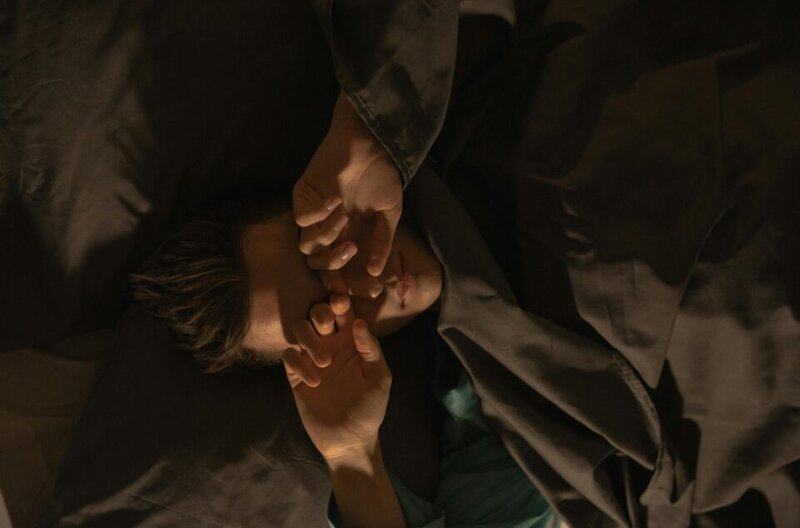
1. Loud, Persistent Snoring

Not all snoring is created equal. While occasional, light snoring is common and usually harmless, loud and persistent snoring can be a hallmark symptom of sleep apnea. This kind of snoring is often disruptive enough to be heard through closed doors, and it frequently disturbs both the sleeper and their bed partner.
According to the Mayo Clinic, what sets sleep apnea-related snoring apart is its chronic nature and its association with pauses in breathing, gasping, or choking sounds during the night. Unlike the soft snoring that may occur after a long day or with nasal congestion, sleep apnea snoring is a nightly occurrence, often accompanied by periods of silence followed by a sudden snort or gasp as breathing resumes.
If snoring is waking you—or your partner—multiple times a night, or if it is so loud that it disrupts the household, it should not be ignored. Persistent, thunderous snoring is a red flag that your airway may be repeatedly blocked during sleep, and it’s essential to discuss these symptoms with a healthcare professional as soon as possible.
2. Gasping or Choking During Sleep

Waking up suddenly with a sensation of gasping or choking is a frightening experience that should never be dismissed as normal. These alarming episodes often indicate that your airway has become temporarily blocked, causing a pause in breathing—a hallmark of sleep apnea. According to the Sleep Foundation, such interruptions can occur dozens or even hundreds of times each night, fragmenting your sleep and depriving your brain and body of essential oxygen.
Unlike simple snoring, gasping or choking rouses you abruptly from sleep, sometimes with a feeling of panic or an urgent need to catch your breath. You may not always remember these incidents, but bed partners often witness them and describe moments where it seems you’ve stopped breathing entirely, followed by a sudden, noisy inhale.
These breathing interruptions are not only unsettling—they are dangerous. Over time, repeated episodes can place enormous strain on your heart and other organs. If you or someone you love notices frequent nighttime gasping or choking, it’s a strong indicator that a medical evaluation for sleep apnea is urgently needed.
3. Excessive Daytime Sleepiness

One of the most telling—and disruptive—symptoms of sleep apnea is excessive daytime sleepiness. This isn’t the occasional drowsiness that follows a late night; instead, it’s a deep, relentless fatigue that persists even after what seems like a full night’s sleep. According to the American Academy of Sleep Medicine, up to 80% of people with moderate to severe obstructive sleep apnea report significant daytime sleepiness.
This constant exhaustion can make it difficult to stay awake during meetings, while reading, watching television, or even driving—a particularly dangerous situation. Many people find themselves needing frequent naps or struggling to focus on daily tasks, which can negatively impact both work and personal life.
The root cause is the repeated interruptions in breathing throughout the night, which prevent the body from reaching the deep, restorative stages of sleep. Even if you don’t remember waking up, your brain and body are deprived of rest, leading to the overwhelming urge to sleep during the day. If you experience persistent tiredness that impacts your quality of life, it’s a warning sign you shouldn’t ignore.
4. Morning Headaches

Waking up with a headache is an unpleasant way to start the day, and for many people with sleep apnea, it’s an all-too-common occurrence. Morning headaches linked to sleep apnea are often described as dull, throbbing, and located across the forehead or around the temples. Unlike migraines or tension headaches—which may be triggered by stress, dehydration, or other factors—these headaches are caused by interrupted breathing during sleep.
According to the Cleveland Clinic, sleep apnea can lower oxygen levels in the blood throughout the night and increase carbon dioxide levels, leading to the dilation of blood vessels in the brain. This process can trigger headaches upon waking, which typically subside within a few hours as normal breathing and oxygen levels are restored.
It’s important to note that not all morning headaches are due to sleep apnea, but if you find yourself reaching for pain relief more often—especially alongside other symptoms like snoring or daytime fatigue—it’s a warning sign worth investigating. Persistent morning headaches, particularly when paired with disrupted sleep, should prompt a conversation with your healthcare provider.
5. Difficulty Concentrating

When sleep is continually disrupted by breathing interruptions, your brain doesn’t get the restorative rest it needs to function optimally. As a result, difficulty concentrating and problems with memory become frequent struggles for people with sleep apnea. According to studies by the National Institutes of Health (NIH), individuals with untreated sleep apnea often experience lapses in attention, slower reaction times, and impaired decision-making skills.
This cognitive fog can manifest in subtle but frustrating ways—forgetting appointments, struggling to follow conversations, or losing track of tasks at work. Some people describe feeling “out of it” or unable to think clearly, even after what should have been a full night’s sleep. The NIH notes that these cognitive symptoms can significantly impact daily life, leading to mistakes on the job, strained relationships, and reduced quality of life.
If you notice that you’re more forgetful, easily distracted, or having trouble processing information, it could be more than just stress or aging. Chronic sleep deprivation from sleep apnea can have far-reaching consequences for brain health—making concentration difficulties an important warning sign you shouldn’t ignore.
6. Irritability or Mood Changes

Quality sleep is vital for emotional stability and mental health. When sleep apnea disrupts your rest, it doesn’t just affect your physical well-being—it can also take a serious toll on your mood. Increased irritability, mood swings, and even feelings of depression are common among those suffering from untreated sleep apnea. According to WebMD, the repeated interruptions in sleep caused by apneic episodes can disrupt the balance of brain chemicals that regulate mood.
You may notice yourself becoming more short-tempered, easily frustrated, or emotionally reactive over minor issues. Some people experience unexplained sadness, anxiety, or a general sense of feeling “down.” These symptoms aren’t just a result of lost sleep—they’re also tied to the way sleep apnea impairs your brain’s ability to reset and recover each night.
If you or your loved ones observe significant shifts in mood, irritability, or a loss of interest in activities you once enjoyed, it’s essential to consider sleep apnea as a potential cause. Addressing the underlying sleep disorder can often lead to remarkable improvements in emotional health and overall outlook.
7. Dry Mouth or Sore Throat Upon Waking

If you routinely wake up with a dry mouth or sore throat, it may be more than just an environmental issue like dry air. For many people with sleep apnea, these symptoms are a direct result of mouth breathing during sleep. When the airway becomes partially or completely blocked, your body instinctively opens the mouth to draw in air, leading to dryness and discomfort by morning.
The NHS notes that dry mouth and sore throat are frequently reported by those suffering from obstructive sleep apnea. This happens because airflow through the mouth bypasses the natural humidification that occurs when breathing through the nose. Over time, this can lead to irritation, a raw or scratchy sensation in the throat, and even increased risk of dental issues.
If you find yourself constantly reaching for water upon waking or experiencing a persistent sore throat that isn’t linked to infection or allergies, it could be a subtle but important warning sign of sleep apnea. Don’t dismiss these symptoms as trivial—they may be pointing to interrupted breathing and poor-quality sleep.
8. Frequent Nighttime Urination (Nocturia)

Many people attribute frequent nighttime urination—also known as nocturia—to aging, drinking fluids before bed, or certain medications. However, it’s a symptom that’s also closely linked with sleep apnea and often overlooked. According to the Sleep Foundation, repeated episodes of waking up to urinate throughout the night may actually be the result of disrupted breathing patterns.
When sleep apnea causes breathing pauses, it puts stress on the heart and increases pressure in the chest. This triggers a hormone response that signals the kidneys to produce more urine, leading to more frequent trips to the bathroom. Unlike nocturia caused by bladder or prostate issues, the urge to urinate in sleep apnea sufferers typically appears alongside other symptoms like loud snoring or daytime tiredness.
If you find yourself waking up to urinate two or more times per night—especially if you’re not consuming large amounts of fluids before bedtime—it’s worth considering sleep apnea as a possible cause. Addressing the sleep disorder can often reduce nighttime bathroom visits and greatly improve overall sleep quality.
9. Restless Sleep or Insomnia

If you struggle with restless sleep or frequent awakenings, sleep apnea could be a hidden factor interfering with your ability to stay asleep. Unlike primary insomnia, which often involves trouble falling asleep due to stress or anxiety, sleep apnea-driven insomnia is typically marked by sudden, unexplained awakenings throughout the night. According to Johns Hopkins Medicine, these sleep disruptions are caused by airway blockages that force you out of deep sleep as your body tries to resume normal breathing.
People with sleep apnea often experience tossing and turning, frequent position changes, or sensations of restlessness that make it difficult to achieve truly refreshing sleep. You may not always remember waking up, but you’ll likely notice the effects in the form of morning grogginess or persistent fatigue.
It’s important to distinguish between primary insomnia and sleep apnea-induced sleep loss. If restless nights are paired with other warning signs—such as loud snoring, gasping, or daytime sleepiness—sleep apnea should be considered. Proper diagnosis and treatment can help restore restful, uninterrupted sleep and dramatically improve your overall well-being.
10. Witnessed Breathing Pauses

One of the most alarming—and telling—signs of sleep apnea is when a bed partner or family member witnesses you stop breathing during sleep. According to the Mayo Clinic, these observed pauses can last from a few seconds to over a minute, and often end with a loud gasp, snort, or abrupt resumption of breathing.
Unlike other symptoms that you might experience firsthand, these breathing interruptions are usually noticed by someone sharing your sleeping space. The person may describe periods where your chest stops moving, followed by sudden choking or gasping sounds. This cycle can repeat dozens of times per hour, significantly disrupting both your sleep and your partner’s.
These witnessed apneas are a key diagnostic clue for healthcare professionals, as they are unique to sleep-related breathing disorders like sleep apnea. If your partner or family member tells you that you stop breathing or gasp for air during the night, it’s a sign that should never be ignored. Seeking medical advice promptly can lead to early diagnosis and effective treatment.
11. Decreased Libido

Sleep apnea doesn’t just impact your energy and alertness—it can also have a significant effect on your sexual health and libido. Disrupted sleep and chronic fatigue can lower levels of sex hormones, such as testosterone, and blunt sexual desire or performance. According to the American Academy of Sleep Medicine, both men and women with untreated sleep apnea commonly report a noticeable decrease in interest in sexual activity.
This symptom can be subtle at first, manifesting as a general lack of enthusiasm for intimacy or a decrease in sexual satisfaction. Over time, it may lead to relationship strain, frustration, or increased stress. The persistent tiredness, mood changes, and hormonal imbalances caused by poor-quality sleep all contribute to these difficulties.
It’s important not to dismiss changes in libido as a normal part of aging, especially when they occur alongside other sleep apnea warning signs. Addressing sleep apnea through proper diagnosis and treatment can often restore sexual health and improve overall quality of life—making this a symptom well worth discussing with your healthcare provider.
12. Night Sweats

Waking up drenched in sweat, even when the room is cool, can be more than a sign of a warm blanket or hormonal changes. Night sweats are sometimes linked to sleep apnea and may signal that your body is under stress during sleep. According to the Sleep Foundation, these episodes often occur when your body reacts to repeated pauses in breathing by triggering a “fight-or-flight” response.
When your airway becomes blocked, oxygen levels drop and the brain sends urgent signals to wake you up and restart breathing. This activation of the sympathetic nervous system not only disrupts sleep but also leads to increased heart rate, blood pressure, and sweating as your body attempts to recover. These stress responses can result in intense perspiration, particularly around the chest, neck, and head.
While other factors—such as menopause, illness, or medications—can also cause night sweats, their presence alongside other symptoms like snoring, fatigue, or restless sleep should not be ignored. Persistent night sweats may be your body’s way of signaling an underlying sleep disorder that requires prompt attention.
13. High Blood Pressure

There is a well-documented connection between untreated sleep apnea and the development or worsening of high blood pressure (hypertension). According to the American Heart Association, repeated drops in blood oxygen levels during sleep force the body to activate its “fight-or-flight” response, causing blood vessels to constrict and the heart to work harder.
Over time, this constant overnight stress raises blood pressure and can contribute to persistent hypertension, even during the day. In fact, the Centers for Disease Control and Prevention (CDC) reports that people with sleep apnea are more likely to have resistant hypertension—high blood pressure that is difficult to control with medication alone.
If you have high blood pressure that remains elevated despite lifestyle changes or medication, sleep apnea might be an underlying culprit. Addressing sleep apnea through proper treatment can help lower blood pressure and significantly reduce the risk of heart disease, stroke, and other serious complications. Don’t overlook this critical link in your overall health.
14. Unrefreshing Sleep

One of the most frustrating symptoms of sleep apnea is the feeling of unrefreshing sleep—waking up just as tired as when you went to bed, no matter how many hours you spend under the covers. This phenomenon is highlighted in sleep studies by the National Institutes of Health (NIH), which show that people with untreated sleep apnea often fail to reach and sustain the deeper, restorative stages of sleep necessary for true rest.
Interrupted breathing events continually jolt the body out of deep sleep cycles, resulting in fragmented rest and preventing the body and mind from fully recharging. You may recall tossing and turning, or you may have no memory of these disruptions at all—yet you’ll still notice persistent fatigue, heavy eyelids, or a sense of grogginess when you wake.
Unrefreshing sleep is a strong warning sign that should prompt further investigation, particularly if you’re getting what seems like enough sleep in terms of hours. Addressing the root cause—such as sleep apnea—can restore the rejuvenating power of sleep and dramatically improve daily energy and well-being.
15. Weight Gain or Difficulty Losing Weight

Weight gain and sleep apnea often exist in a vicious cycle, each making the other worse. According to Harvard Health, excess weight—especially around the neck and upper airway—increases the risk of airway blockages during sleep, which can trigger or exacerbate sleep apnea. Conversely, untreated sleep apnea disrupts the hormones that regulate appetite, metabolism, and fat storage, making it harder to lose weight or avoid gaining more.
People with sleep apnea may find themselves craving high-calorie foods or feeling too fatigued to exercise. The repeated sleep disruptions cause changes in hormones like leptin and ghrelin, leading to increased hunger and decreased satiety. This makes weight management even more challenging, no matter how diligently you try to eat well or stay active.
If you’re struggling with unexplained weight gain or persistent difficulty losing weight—especially in combination with other warning signs—it’s important to consider sleep apnea as a potential factor. Treating sleep apnea can improve energy levels and restore hormonal balance, helping you finally break the cycle and achieve healthier weight goals.
16. Decreased Performance at Work or School

Disrupted sleep from sleep apnea doesn’t just affect how you feel—it can also have a profound impact on your performance at work or school. Research studies, such as those highlighted by the National Institutes of Health (NIH), show that individuals with untreated sleep apnea often report problems with memory, attention, and decision-making. These cognitive deficits can translate to missed deadlines, careless mistakes, and falling behind on assignments or projects.
Persistent daytime sleepiness makes it difficult to stay focused during meetings, lectures, or while completing complex tasks. Over time, this can lead to decreased productivity, negative performance reviews, and even jeopardize academic or career advancement. Students may struggle with comprehension, test-taking, or simply staying awake in class, while adults might find themselves making more errors or needing extra time to complete everyday responsibilities.
If you or a loved one are experiencing a noticeable decline in school or workplace performance—especially alongside signs like fatigue or trouble concentrating—sleep apnea could be a contributing factor worth investigating. Proper treatment can restore alertness and help you reach your full potential, both professionally and academically.
17. Forgetfulness

Memory lapses or forgetfulness are often brushed off as normal aging or a result of a busy lifestyle, but they can also be a telling sign of sleep apnea. According to the National Institutes of Health (NIH), fragmented sleep caused by repeated breathing interruptions prevents the brain from entering deep and REM sleep stages, which are essential for memory consolidation.
When your brain is deprived of restorative rest, you may find yourself forgetting appointments, misplacing everyday items, or struggling to recall names and recent conversations. These episodes of forgetfulness can be subtle at first but tend to worsen over time if sleep apnea remains untreated. The impact isn’t limited to short-term memory—problem-solving skills and the ability to learn new information can also suffer.
If you notice that memory problems are becoming more frequent, especially if they coincide with other sleep apnea symptoms like daytime fatigue or difficulty concentrating, it’s important not to ignore them. Addressing the root cause by treating sleep apnea can help restore mental clarity and protect your cognitive health.
18. Decreased Motor Skills or Coordination

Sleep apnea’s effects reach beyond mental clarity—they can also disrupt your motor skills and physical coordination. When restorative sleep is repeatedly interrupted, the brain’s ability to process sensory information and control muscle movements is impaired. According to data from the Centers for Disease Control and Prevention (CDC), sleep deprivation greatly increases the risk of accidents, both at home and on the road.
You might notice increased clumsiness, such as dropping objects, bumping into things, or having trouble with tasks that require fine motor skills. For drivers, sleep apnea-related sleep loss can slow reaction times and diminish alertness, making drowsy driving a serious hazard. The CDC highlights that lack of sleep is a significant factor in many car crashes and workplace injuries.
If you’re experiencing more frequent mishaps or noticing a decline in your coordination—especially when combined with other warning signs—your sleep quality could be the culprit. Recognizing and treating sleep apnea can help restore your reflexes, improve safety, and enhance your physical performance in daily life.
19. Increased Risk of Car Accidents

One of the most alarming dangers of untreated sleep apnea is its strong association with a higher risk of car accidents. Studies have shown that people with sleep apnea are up to five times more likely to be involved in serious motor vehicle crashes compared to those without sleep disorders. According to the National Highway Traffic Safety Administration (NHTSA), drowsy driving causes thousands of crashes, injuries, and fatalities every year, with sleep disorders like sleep apnea being a major contributor.
The reason for this increased risk is straightforward: the excessive daytime sleepiness and impaired alertness caused by sleep apnea make it much harder to stay focused and responsive behind the wheel. Micro-sleeps—brief, uncontrollable episodes of falling asleep—can occur even during short drives, putting not only the driver but everyone on the road in danger.
If you find yourself nodding off at stoplights, struggling to keep your eyes open on the highway, or having trouble remembering parts of your commute, these are red flags that shouldn’t be ignored. Treating sleep apnea can dramatically reduce the risk of accidents and help keep you and others safe on the road.
20. Reduced Exercise Tolerance

A subtle but telling sign of sleep apnea is a noticeable decline in exercise tolerance—the ability to perform physical activity without excessive fatigue. According to the Sleep Foundation, people with untreated sleep apnea often struggle to find the energy or motivation for regular exercise, even if they were previously active.
Restorative sleep is essential for muscle recovery, cardiovascular function, and maintaining stamina. When sleep is fragmented by apnea episodes, your body is deprived of the time it needs to repair and recharge. As a result, you may feel winded, weak, or exhausted after even light activity. Some notice their usual workouts become more difficult, or they abandon fitness routines altogether due to persistent fatigue.
This decline in exercise ability can further worsen health, as decreased physical activity is linked to weight gain and higher risks for chronic disease. If you’re finding it unusually hard to complete your regular walks, workouts, or sports, and it’s paired with other symptoms like daytime sleepiness, sleep apnea could be at the root. Treating the disorder can help restore energy, boost endurance, and rekindle your active lifestyle.
21. Swelling in Legs (Edema)

A lesser-known but significant symptom of untreated sleep apnea is swelling in the legs, or edema. This fluid retention, especially in the lower extremities, can develop when sleep apnea places extra stress on the heart and blood vessels. According to the Cleveland Clinic, repeated drops in oxygen levels during sleep can contribute to a condition called right-sided heart failure, which in turn causes fluid to accumulate in the legs and ankles.
Edema related to sleep apnea often presents as puffiness, tightness, or a heavy sensation in the calves and feet. Shoes may feel tighter, or you might notice indentations in your skin after removing socks. While swelling in the legs can be caused by other health issues—such as kidney problems, certain medications, or prolonged sitting—when it occurs alongside other sleep apnea warning signs, it deserves prompt attention.
Ignoring edema can lead to worsening cardiovascular problems and additional complications. If you’re noticing persistent swelling in your legs, especially if you have other symptoms of sleep apnea, consult your healthcare provider for a thorough evaluation and possible sleep study.
22. Chest Pain at Night

Experiencing chest pain during the night is a symptom that should never be ignored, as it can signal both sleep apnea and potentially serious heart problems. According to the American Heart Association, untreated sleep apnea increases the risk for high blood pressure, irregular heart rhythms, and even heart attacks—all of which may manifest as chest discomfort while you’re sleeping.
Nighttime chest pain in sleep apnea sufferers often results from repeated drops in oxygen levels. Each apneic episode puts a strain on the cardiovascular system, forcing the heart to work harder and potentially triggering pain or tightness in the chest. Some people may wake up suddenly, gasping for air with a pounding heart and a sense of pressure or discomfort.
While chest pain can be caused by other conditions, such as acid reflux or anxiety, any recurring or severe chest discomfort at night demands immediate medical evaluation. If you notice this symptom, particularly alongside loud snoring or breathing pauses, seek prompt attention to rule out heart problems and address possible sleep apnea.
23. Mood Disorders (Depression & Anxiety)

The relationship between sleep apnea and mood disorders such as depression and anxiety is strong and well-documented. Studies from the National Institutes of Health (NIH) reveal that people with untreated sleep apnea are at a significantly higher risk of developing depressive symptoms and persistent anxiety. The chronic sleep disruptions and oxygen deprivation associated with sleep apnea can alter brain chemistry and stress hormone levels, fueling emotional instability.
Individuals may experience persistent sadness, hopelessness, or disinterest in activities they once enjoyed. Irritability, restlessness, and overwhelming worry can also become daily struggles. These symptoms often go hand-in-hand with other sleep apnea warning signs, making mood disorders harder to manage and less responsive to traditional treatments alone.
If you or a loved one is battling depression or anxiety—especially if accompanied by symptoms like excessive daytime sleepiness, restless nights, or loud snoring—consider the possibility of an underlying sleep disorder. Treating sleep apnea can lead to dramatic improvements in emotional well-being and may reduce or even resolve mood symptoms, offering a vital path to a brighter, healthier future.
24. Decreased Immune Function

Chronic sleep deprivation caused by sleep apnea doesn’t just sap your energy—it can also weaken your immune system, making you more vulnerable to common infections. According to the Centers for Disease Control and Prevention (CDC), ongoing poor-quality sleep disrupts the production of essential immune cells and impairs the body’s natural ability to fight off viruses and bacteria.
This means you may find yourself getting sick more often, taking longer to recover from colds or the flu, or experiencing more frequent bouts of respiratory illnesses. Sleep is when your body carries out critical repair processes and produces cytokines—proteins that target infection and inflammation. When sleep is interrupted night after night, these protective responses are weakened, leaving you more susceptible to illness.
If you notice an increase in how often you catch colds or other infections, or if you find it harder to bounce back after being sick, poor sleep quality could be affecting your immune health. Identifying and treating sleep apnea can help restore immune function and bolster your body’s defenses against everyday illnesses.
25. Nighttime Heartburn or GERD Symptoms

Many people don’t realize that nighttime heartburn or gastroesophageal reflux disease (GERD) symptoms can be associated with sleep apnea. According to the Mayo Clinic, those with sleep apnea are more likely to experience acid reflux during the night. The repeated breathing interruptions and changes in chest pressure that occur during apneic episodes can cause stomach acid to flow back into the esophagus, leading to heartburn, burning in the throat, or a sour taste in the mouth.
These symptoms may be worse when lying down and can contribute to restless sleep or frequent awakenings. Over time, untreated GERD can damage the lining of the esophagus and increase the risk of serious complications, making it especially important to identify and address the underlying cause.
If you regularly wake up with heartburn, throat irritation, or coughing at night—and especially if these symptoms are accompanied by signs such as snoring or daytime fatigue—sleep apnea could be a hidden culprit. Treating sleep apnea can often reduce both reflux symptoms and improve sleep quality, breaking the cycle of discomfort and poor rest.
26. Unexplained High Blood Sugar

Sleep apnea has a profound influence on glucose metabolism and can contribute to unexplained high blood sugar levels, even in individuals who do not have diabetes. According to the American Diabetes Association, repeated episodes of low oxygen during sleep trigger the release of stress hormones like cortisol and adrenaline, which increase insulin resistance and prevent the body from efficiently using glucose for energy.
This disruption can lead to persistently elevated blood sugar levels, making diabetes management more difficult for those already diagnosed and increasing the risk of developing type 2 diabetes for others. People with untreated sleep apnea may notice that their blood sugar readings are higher than expected, even if they are following a healthy diet and exercise routine.
Unexplained high blood sugar, particularly when paired with other symptoms such as excessive daytime sleepiness or restless nights, is a red flag that should not be overlooked. Treating sleep apnea can help stabilize glucose levels and reduce the risk of long-term complications, offering a vital step in protecting overall metabolic health.
27. Moodiness Upon Waking

Waking up in a bad mood or feeling unusually irritable in the mornings can often be traced back to poor sleep quality—one of the hallmark consequences of sleep apnea. According to the Sleep Foundation, frequent interruptions in the sleep cycle prevent your brain from reaching the deep and REM stages necessary for emotional regulation and restoration.
Instead of feeling refreshed and ready for the day, you may find yourself snapping at family members, dreading the morning routine, or simply feeling “off” without a clear reason. This morning moodiness goes beyond ordinary grogginess; it can linger for hours and color your entire day with a sense of frustration or negativity.
Persistent irritability upon waking—especially when it occurs alongside symptoms like snoring, headaches, or daytime sleepiness—is an important warning sign that your sleep is being disrupted. Addressing the underlying sleep disorder can help restore mornings to a more peaceful, positive experience and set a healthier tone for the rest of the day.
28. High Resting Heart Rate

One subtle yet significant sign of sleep apnea is a consistently high resting heart rate, especially overnight. Normally, the heart rate drops during deep, restful sleep as the body enters a state of recovery and repair. However, as the Mayo Clinic explains, the repeated breathing interruptions and oxygen drops caused by sleep apnea keep the body in a state of heightened alert, preventing the heart from relaxing as it should.
Instead of a gentle, restorative rhythm, people with untreated sleep apnea often experience frequent spikes or sustained elevations in heart rate throughout the night. This is the body’s response to the stress of low oxygen and the frequent “fight-or-flight” reactions triggered by apneic episodes. Over time, this constant strain on the cardiovascular system can contribute to high blood pressure, arrhythmias, and an increased risk of heart disease.
If you notice a high resting heart rate—either through wearable fitness trackers or during routine medical exams—especially when accompanied by poor sleep and daytime fatigue, it’s worth considering sleep apnea as a root cause. Effective treatment can help restore healthy heart rhythms and protect long-term heart health.
29. Teeth Grinding (Bruxism)

Teeth grinding, or bruxism, during sleep is more than just a dental nuisance—it’s increasingly recognized as a potential sign of underlying sleep apnea. According to the American Dental Association, many people who grind their teeth at night also suffer from sleep-disordered breathing, with grinding episodes often coinciding with apneic events.
The body’s instinctive response to a blocked airway may involve tensing the jaw or clenching teeth in an attempt to reopen the airway. Over time, this leads to dental issues such as tooth wear, enamel erosion, jaw pain, and even cracked teeth. Dentists commonly notice telltale signs of bruxism—like flattened chewing surfaces or indentations on the tongue—during routine checkups.
If you wake up with sore jaw muscles, frequent headaches, or sensitive teeth, and especially if your dentist notes signs of grinding, it’s important to consider sleep apnea as a possible underlying cause. Addressing sleep apnea can often reduce or eliminate bruxism, protecting your dental health and improving your overall sleep quality.
30. Reduced Response to Stimulants (e.g., Caffeine)

If you find that your morning coffee or afternoon energy drink is no longer providing the alertness boost it once did, sleep apnea could be to blame. Chronic sleep deprivation caused by repeated apneic episodes can make the brain and body less responsive to stimulants like caffeine. NIH research, including studies published by the National Institutes of Health, shows that individuals with sleep disorders often experience persistent sleepiness that cannot be overcome by caffeine or similar substances.
This is because the underlying problem—fragmented, poor-quality sleep—continually disrupts the brain’s restorative processes, creating a sleep debt that stimulants simply can’t erase. Over time, you may notice that larger amounts of coffee, tea, or energy drinks barely make a dent in your fatigue. Instead of feeling energized, you remain groggy, unfocused, and sluggish throughout the day.
If increasing your caffeine intake has become a daily struggle with diminishing returns, and you’re still battling excessive sleepiness, it’s a sign that your body needs deep, uninterrupted sleep—not just temporary stimulation. Treating underlying sleep apnea can restore your natural alertness and make you less dependent on stimulants altogether.
31. Swelling or Soreness in Throat Tissues

Another often-overlooked warning sign of sleep apnea is persistent swelling or soreness in the throat tissues. According to the Cleveland Clinic, the repeated obstruction and vibration of the airway during apneic episodes can irritate and inflame the soft tissues at the back of the throat.
As the airway collapses and reopens multiple times throughout the night, it creates friction and pressure on delicate mucous membranes. This can result in a sore, scratchy, or swollen feeling upon waking—symptoms that linger even after drinking water or clearing the throat. In some cases, the inflammation can also lead to redness or visible swelling, making swallowing or speaking uncomfortable.
While throat soreness can have many causes, the presence of chronic or unexplained symptoms—especially when paired with snoring, dry mouth, or frequent awakenings—should prompt consideration of sleep apnea as a root cause. Addressing the underlying sleep disorder can reduce airway irritation, promote healing, and restore comfort to your throat tissues.
32. Waking Up Feeling Short of Breath

Suddenly waking up feeling short of breath is a distressing symptom, and it’s often closely tied to sleep apnea. According to the Sleep Foundation, this sensation occurs when repeated airway obstructions during sleep cause breathing to stop or become severely restricted. As oxygen levels drop, the body’s natural alarm system jolts you awake, often with a gasp, choking sound, or an urgent feeling of air hunger.
This abrupt awakening is different from simply feeling winded after a vivid dream or from congestion. Instead, it’s a sudden, intense need to catch your breath—sometimes accompanied by a racing heart or a sense of panic. While these episodes may only last a few seconds, they disrupt sleep and leave you feeling unsettled and exhausted.
Waking up short of breath, especially when it happens repeatedly or in conjunction with symptoms like snoring or fatigue, should never be ignored. It’s a strong indication that your airway is being blocked during sleep, and addressing sleep apnea can help eliminate these frightening episodes and restore peaceful, restorative rest.
33. Lack of Motivation

A persistent lack of motivation—the feeling that even simple daily tasks are overwhelming or unappealing—can be a direct result of chronic fatigue from untreated sleep apnea. According to the National Institutes of Health (NIH), disrupted and poor-quality sleep undermines both physical energy and mental drive, making it difficult to tackle everything from work responsibilities to social plans or household chores.
When the body and brain are deprived of restorative rest, it becomes increasingly challenging to muster enthusiasm for activities you once enjoyed. You may find yourself procrastinating, losing interest in hobbies, or struggling to start new projects. Over time, this lack of motivation can contribute to reduced productivity, strained relationships, and even worsen symptoms of depression or anxiety.
If you notice a growing sense of apathy or inertia that can’t be explained by stress, workload, or other life changes—and especially if it coincides with symptoms like excessive sleepiness, headaches, or memory lapses—sleep apnea may be at the root. Effective treatment can restore your energy and help reignite your passion for life’s daily opportunities.
34. Snorting or Sighing in Sleep

Unexpected noises such as snorting or sighing during sleep often go unnoticed by the sleeper but are frequently observed by bed partners. These abrupt sounds are classic signs of interrupted breathing, a hallmark of sleep apnea. According to the Mayo Clinic, snorting or gasping typically occurs when the airway briefly closes, causing a pause in breathing, followed by a sudden attempt to reopen the airway and restore airflow.
The result is a sharp noise—a snort, gasp, or heavy sigh—that may repeat several times an hour throughout the night. These sounds are the body’s reflexive effort to overcome the obstruction and supply the brain with much-needed oxygen. While the sleeper may not remember these episodes, they frequently lead to fragmented sleep and can leave both the individual and their bed partner feeling unrested.
If you or someone you sleep beside notices frequent snorting, sighing, or abrupt breathing noises during the night—especially when combined with other symptoms like excessive daytime sleepiness—it’s a strong indicator that sleep apnea may be present. Prompt evaluation and treatment can help silence these warning sounds and restore restful, quiet sleep.
35. Difficulty Waking Up in the Morning

One of the most frustrating consequences of sleep apnea is difficulty waking up in the morning, no matter how many hours you spend in bed. According to the Sleep Foundation, people with untreated sleep apnea experience repeated disruptions throughout the night, preventing them from reaching the deep, restorative stages of sleep needed for true refreshment.
As a result, mornings may feel like an uphill battle. You might hit the snooze button multiple times, struggle to open your eyes, or feel groggy and disoriented for an extended period after getting up. This isn’t just ordinary morning sluggishness—it’s a persistent difficulty in transitioning from sleep to wakefulness, often accompanied by headaches, irritability, or confusion.
Over time, this ongoing struggle to wake up can interfere with work, school, and daily responsibilities. If you consistently find it hard to get out of bed, despite being in bed for seven or eight hours, it’s essential to consider sleep apnea as a possible cause. Addressing the root problem can help you greet each day with more energy and clarity, transforming your mornings and your overall outlook.
36. Restless Legs or Periodic Limb Movements

It’s not uncommon for people with sleep apnea to also experience restless legs syndrome (RLS) or periodic limb movements during sleep. NIH studies, including research from the National Institutes of Health, reveal a significant overlap between these conditions. RLS involves an irresistible urge to move the legs, often accompanied by uncomfortable sensations, especially at night. Periodic limb movements, on the other hand, are involuntary jerking or twitching movements that occur repeatedly during sleep.
These disturbances are thought to be linked to the fragmented sleep and changes in oxygen levels caused by sleep apnea. When the brain is repeatedly aroused due to breathing interruptions, it can trigger muscle activity, leading to restless or jerky legs. This only adds to the already disrupted sleep, compounding feelings of fatigue and reducing overall restfulness.
If you notice frequent leg movements at night, or if a bed partner observes twitching or kicking, and you also have symptoms like snoring or daytime sleepiness, sleep apnea could be part of the problem. Treating the underlying sleep disorder often helps reduce these movements, leading to deeper, more restful sleep.
37. Changes in Voice or Hoarseness

Chronic airway obstruction from sleep apnea doesn’t just affect your breathing—it can also cause noticeable changes in your voice or persistent hoarseness. The American Academy of Otolaryngology notes that repeated vibration, irritation, and inflammation of the throat tissues during apneic episodes can lead to swelling of the vocal cords and surrounding areas.
People with sleep apnea may wake up with a raspy, strained, or noticeably deeper voice. Some experience ongoing hoarseness that lingers throughout the day, regardless of talking or singing. This voice change is often subtle at first but can worsen over time if the underlying airway obstruction is not addressed. Additional symptoms, such as frequent throat clearing or a sensation of a “lump” in the throat, may also appear.
While occasional hoarseness can be caused by allergies, colds, or overuse of the voice, persistent or unexplained changes—especially when coupled with other sleep apnea signs—warrant a closer look. Addressing sleep apnea can reduce chronic irritation, help restore your normal voice, and protect your vocal health for the long term.
38. Frequent Sore Throat

A frequent sore throat that isn’t caused by an infection or allergies can be a subtle warning sign of sleep apnea. The Cleveland Clinic explains that repeated episodes of mouth breathing, snoring, and airway obstruction can dry out and irritate the delicate tissues of the throat. This irritation doesn’t resolve with typical remedies and often recurs, particularly upon waking in the morning.
Unlike the sore throats associated with colds or bacterial infections, this discomfort is not usually accompanied by fever, swollen glands, or other signs of illness. Instead, it presents as a scratchy, raw, or burning sensation that lingers or returns night after night. The combination of reduced saliva production from mouth breathing and the mechanical trauma of snoring can make the throat especially vulnerable.
If you’re experiencing persistent or recurring sore throats—especially if they coincide with other symptoms such as dry mouth, snoring, or restless sleep—consider the possibility of sleep apnea. Proper diagnosis and treatment can help soothe throat irritation, improve comfort, and restore restful, uninterrupted sleep.
39. Unexplained Sweating During the Day

If you experience unexplained sweating during the day—even when you’re not physically active or the temperature is comfortable—sleep apnea could be a hidden factor. The Mayo Clinic notes that untreated sleep apnea causes frequent drops in blood oxygen and triggers stress responses in the body. These “fight-or-flight” adrenaline surges don’t just happen at night; their effects can linger, leading to sudden episodes of sweating long after you’ve woken up.
You might notice clammy hands, a damp forehead, or profuse sweating during routine daytime activities—without any clear reason. These symptoms often result from the body’s heightened alertness and overactive nervous system, a direct consequence of repeated sleep disruptions and oxygen deprivation. In some cases, this sweating can be mistaken for anxiety or dismissed as a side effect of caffeine or spicy food.
If daytime sweating seems out of proportion to your activity level or isn’t explained by outside factors, and you also have other sleep apnea symptoms, it’s worth discussing with your healthcare provider. Treating sleep apnea can help regulate your body’s stress response, reduce excessive sweating, and restore your overall sense of comfort and calm.
40. Family History of Sleep Apnea

Having a family history of sleep apnea significantly increases your own risk of developing this serious sleep disorder. According to the Centers for Disease Control and Prevention (CDC), genetics play a key role in predisposing individuals to sleep apnea by influencing factors like airway anatomy, muscle tone, and the body’s response to low oxygen levels.
If close family members—such as parents, siblings, or children—have been diagnosed with sleep apnea, it’s important to be especially vigilant about your own sleep health. You may not always inherit the condition directly, but you could share physical traits like a narrow airway, recessed chin, or larger neck circumference that increase susceptibility. Additionally, shared lifestyle factors and medical conditions (such as obesity or high blood pressure) can further compound your risk.
Recognizing a family connection can empower you to watch for early signs and seek evaluation sooner. If you have a family history of sleep apnea, prioritize regular check-ups and discuss any possible symptoms with your healthcare provider. Early awareness and intervention can help prevent complications and protect your long-term health.
Conclusion

Recognizing the warning signs of sleep apnea is crucial for safeguarding your health and well-being. Ignoring these symptoms can lead to severe, long-term complications affecting your heart, mind, and quality of life. If you or a loved one experience any of the signs discussed, don’t wait—seek a professional sleep evaluation and discuss your concerns with a healthcare provider. Early diagnosis and treatment can dramatically improve your sleep, restore your energy, and prevent serious medical issues down the road.
Your path to better health may begin with a single night of truly restorative sleep.
Disclaimer

This article is for informational purposes only and is not a substitute for professional medical advice, diagnosis, or treatment. Always consult a qualified healthcare provider with any questions or concerns about your health or sleep. Your well-being is important—seek expert guidance for personalized care and solutions.
About the author
Medical News Staff
Editorial team
Articles from the Medical News editorial team, covering everyday health, nutrition and fitness in plain language.
Keep reading

15 Signs of Liver Disease You Can See

15 Mistakes Measuring Your Blood Pressure

15 Visible Signs of Hyperthyroidism (Graves Disease) You Can See

15 Signs of Iron Deficiency You Can See
Advertisement