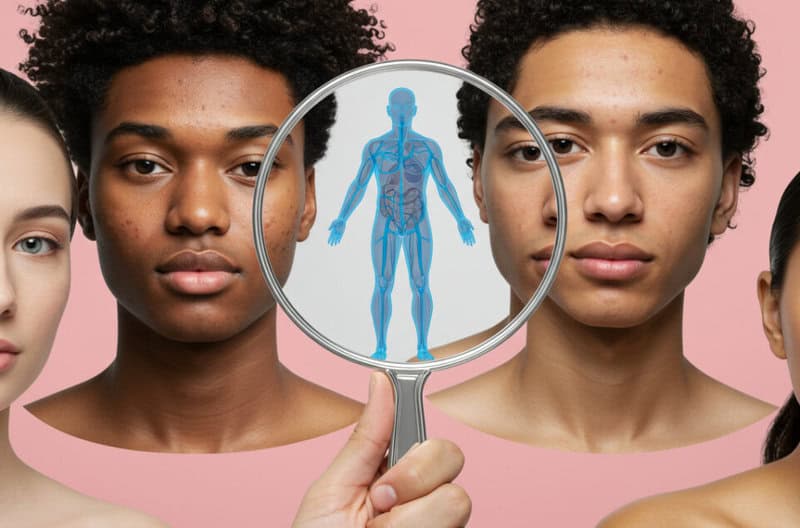
Approximately 85% of people between ages 12 and 24 are affected by acne at some point, according to estimates from the American Academy of Dermatology. While breakouts are often dismissed as a surface-level concern, mounting research suggests that skin is a vital mirror of internal health. The challenge lies in recognizing how factors like hormonal imbalances, digestive issues, or stress manifest as visible blemishes. Early identification of these root causes is essential, as it can signal underlying health problems and guide more effective, holistic treatments. Understanding this skin-health connection is key for both prevention and optimal well-being.
1. Forehead Acne and Digestive Distress

Breakouts across the forehead are frequently linked to imbalances in the digestive system. According to the so-called “face mapping” technique, which is rooted in traditional Chinese medicine rather than modern dermatology, forehead acne may indicate issues such as poor digestion, food intolerances, or an unhealthy gut microbiome. This idea is not supported by scientific evidence as a diagnostic tool. Forehead acne is not established to result from digestive toxin buildup; its causes are generally hormonal, sebum-related, and local factors.
Research highlights a strong gut-skin connection, with studies showing that disruptions in gastrointestinal health can lead to systemic inflammation, thereby exacerbating skin conditions. For example, a 2018 review in the journal Frontiers in Microbiology found that gut dysbiosis can trigger or worsen acne by influencing immune responses and skin barrier function. Some people report breakouts with dairy or gluten, but evidence that food intolerance causes forehead acne is limited and not established. Addressing digestive health through dietary changes, probiotics, and stress reduction could therefore play a crucial role in reducing forehead acne and improving overall skin clarity.
2. Cheek Breakouts and Lung Function

In traditional Chinese medicine (TCM) facial mapping, the cheeks are associated with the lungs and respiratory system; this association is not supported by scientific evidence. Factors such as allergies, exposure to air pollution, or smoking can stress lung function and may manifest externally as inflammation or breakouts in the cheek area. The skin, as a detoxifying organ, may reflect the internal burden placed on the lungs, especially when they are working overtime to filter out environmental toxins.
Pollutants can clog pores and trigger oxidative stress, further aggravating skin conditions. Additionally, individuals with a history of asthma or chronic respiratory conditions may experience more cheek breakouts due to systemic inflammation and compromised oxygen exchange. By improving air quality, avoiding smoking, and managing allergies, individuals may see a reduction in cheek acne, highlighting the interdependence between respiratory health and skin clarity.
3. Chin Acne and Hormonal Fluctuations

Breakouts concentrated on the chin and jawline are widely recognized as indicators of hormonal fluctuations. Dermatologists often point to these areas as “hormonal zones” because the skin here is particularly sensitive to changes in androgen levels. During puberty, menstrual cycles, pregnancy, or conditions such as polycystic ovary syndrome (PCOS), hormone production can become unbalanced, leading to increased oil (sebum) production. This excess oil, combined with dead skin cells, can clog pores and foster the growth of acne-causing bacteria.
According to the American Academy of Dermatology, hormonal acne tends to appear along the lower face, especially the chin and jawline, and is often characterized by deep, cystic lesions. Women may also experience chin breakouts during certain phases of their menstrual cycle, or as a result of underlying endocrine disorders. Addressing chin acne often involves regulating hormone levels through lifestyle changes, targeted medications, or, in some cases, hormonal therapies. Recognizing chin and jawline breakouts as signals of hormonal imbalance can prompt earlier intervention and more holistic health management.
4. Nose Pimples and Cardiovascular Clues

Pimples and redness on the nose have long been associated with cardiovascular health in both anecdotal accounts and traditional face mapping practices. According to traditional Chinese medicine, the nose reflects the heart and circulatory system, with persistent inflammation or breakouts potentially signaling underlying issues such as high blood pressure or poor circulation. This is not supported by scientific evidence, and nose pimples are not an established sign of heart or blood pressure problems. While these connections are largely observational, they have spurred scientific interest in possible correlations between skin health and cardiovascular function.
Some observational studies report associations between rosacea, which commonly affects the nose, and cardiovascular risk factors, including hypertension and elevated cholesterol. Chronic inflammation in the skin may mirror systemic inflammation, which is a known contributor to cardiovascular disease. Moreover, lifestyle habits that impact heart health, such as high-sugar diets and stress, can also worsen acne in the nose area. While more research is needed to establish a direct causal link, persistent nose redness or bumps may encourage individuals to discuss cardiovascular risk with a healthcare professional.
5. Temples and Kidney Imbalance

In traditional Chinese medicine (TCM) facial mapping, the temples are linked to the kidneys and the body’s regulation of fluids. This is not supported by scientific evidence, so temple breakouts should not be read as a sign of kidney stress or fluid imbalance.
Hydration plays a role in overall skin health, but evidence that it prevents breakouts is limited. A small 2015 study found that increased dietary water intake modestly affected skin hydration. Persistent breakouts are best assessed by a healthcare professional rather than attributed to kidney health.
6. Jawline Breakouts and Polycystic Ovary Syndrome (PCOS)

Breakouts along the jawline are a prominent feature in women with Polycystic Ovary Syndrome (PCOS), a hormonal disorder that affects up to 10% of women of reproductive age. PCOS is characterized by elevated androgen (male hormone) levels, which stimulate the skin’s sebaceous glands to produce more oil, leading to clogged pores and persistent acne, particularly around the jawline and lower face. This pattern of acne is a distinguishing marker that often prompts clinicians to investigate underlying endocrine issues.
Jawline acne is commonly seen in women with PCOS, but it is not a reliable early sign on its own; clinicians evaluate cycle irregularity, androgen levels and ultrasound findings. Other symptoms of PCOS may include irregular menstrual cycles, weight gain, and excess hair growth. Because the skin is highly responsive to hormonal fluctuations, jawline breakouts may prompt further evaluation, though they are not diagnostic. Treatments may involve hormonal regulation through medications such as oral contraceptives, lifestyle modifications, and targeted dermatological therapies. Recognizing this connection empowers women to seek timely diagnosis and address both their skin and reproductive health.
7. Back Acne and Sweating Disorders

Back acne, also known as “bacne,” is often linked to excessive sweating and disorders such as hyperhidrosis. The skin on the back contains numerous sebaceous glands and sweat pores, making it particularly vulnerable to breakouts when sweat mixes with oils, dead skin cells, and bacteria. In individuals with hyperhidrosis—a medical condition characterized by abnormally high sweat production—the risk of developing back acne increases significantly. This excess moisture can compromise the skin’s natural barrier, encouraging clogged pores and inflammation.
Friction from clothing combined with excessive sweating is commonly described as a contributor to acne on the back and shoulders. Poor skin barrier function, whether from over-cleansing or constant moisture exposure, can further exacerbate this issue, making the skin more susceptible to infection and irritation. Proper hygiene, moisture-wicking clothing, and topical treatments can help manage bacne, but underlying sweating disorders may require medical intervention. Recognizing this connection encourages a comprehensive approach—addressing both skin care and sweat regulation—for those struggling with persistent back acne.
8. Scalp Pimples and Sebaceous Gland Activity

Pimples on the scalp, medically known as scalp folliculitis, frequently indicate overactive sebaceous glands or imbalances in the scalp’s microbiome. The scalp has a high density of oil glands, and excessive sebum production can clog hair follicles, creating an ideal environment for the proliferation of acne-causing bacteria such as Cutibacterium acnes. This process often results in small, itchy, or painful bumps along the hairline or scattered throughout the scalp.
The scalp microbiome is thought to play a role in maintaining healthy hair and skin. Disruptions in the balance of bacteria and yeast on the scalp, caused by factors like harsh shampoos, frequent washing, or certain skin conditions, can increase susceptibility to inflammation and breakouts. Additionally, hormonal fluctuations and stress may further stimulate sebaceous activity, exacerbating scalp acne. Addressing scalp pimples often involves gentle cleansing routines, targeted antimicrobial treatments, and restoring microbiome harmony. Recognizing that persistent scalp breakouts may signal deeper imbalances empowers individuals to seek both dermatological and lifestyle solutions for long-term scalp and hair health.
9. Chest Breakouts and Allergic Responses
Breakouts on the chest are not always a result of hormonal or hygienic factors; in many cases, they signal allergic reactions. The skin on the chest is sensitive and can react strongly to allergens present in laundry detergents, fabric softeners, or certain synthetic fabrics. When these substances come into contact with the skin, they can trigger irritation, inflammation, and acne-like eruptions known as contact dermatitis. This response disrupts the skin barrier, making it more vulnerable to bacteria and further breakouts.
Allergic reactions to foods can also manifest as chest acne. According to the American Academy of Dermatology, some individuals develop acneiform eruptions after consuming foods they are sensitive or allergic to, such as dairy, nuts, or shellfish. Chest breakouts from allergen exposure are plausible, but the supporting evidence needs a verified source. Identifying and avoiding triggers—by switching to hypoallergenic detergents, wearing breathable fabrics, and monitoring dietary intake—can significantly reduce chest acne. This highlights the importance of considering allergies as a potential root cause of persistent breakouts in this region.
10. Shoulder Acne and Stress Hormones

Acne on the shoulders is sometimes linked to elevated stress levels. Stress hormones such as cortisol may increase sebum production and may worsen acne, but evidence that this specifically causes shoulder acne is limited. The shoulders are particularly prone because they are often subject to friction from clothing, backpacks, or sports gear, which can exacerbate irritation and inflammation caused by excess oil and sweat.
The link between stress and acne is one that some people experience, and stress is thought to worsen acne in some people, although this connection needs further confirmation. Practical stress-reduction strategies include mindfulness practices, regular exercise, adequate sleep, and time-management techniques. Additionally, maintaining gentle skincare routines and using non-comedogenic products can help minimize shoulder breakouts. Recognizing the impact of stress hormones on skin health is essential; by proactively managing stress, individuals can not only improve their mental well-being but also reduce the frequency and severity of shoulder acne, reinforcing the holistic nature of skin care and internal balance.
11. Ear Breakouts and Liver Detoxification

Acne or pimples around the ears are sometimes interpreted as subtle signs of liver overload or impaired detoxification processes, particularly in traditional Chinese and Ayurvedic medicine. The liver plays a central role in filtering toxins, metabolizing hormones, and processing dietary fats. When this organ becomes overburdened—due to factors such as high alcohol intake, processed foods, environmental pollutants, or certain medications—its ability to efficiently detoxify the body can be compromised. This may lead to an accumulation of toxins, which can manifest as breakouts near the ears or along the jawline.
While scientific research on ear-specific acne is limited, ear acne is not an established sign of liver overload. Supporting liver health through a diet rich in antioxidants, adequate hydration, and limiting exposure to known liver toxins may help reduce ear breakouts. Additionally, consulting a healthcare professional for persistent or unexplained acne in this area can help identify and address potential underlying liver or metabolic concerns.
12. Neck Acne and Thyroid Dysfunction

Neck acne is not a reliable sign of thyroid disease; persistent acne alongside other thyroid symptoms may warrant a thyroid blood test.
Some reports have linked thyroid health with dermatological symptoms, although the evidence for a thyroid-acne connection still needs confirmation from verified sources. Possible explanations include immune system dysregulation and altered androgen levels, which can increase sebum production and inflammation. If neck acne is chronic and resistant to conventional treatments, it may be prudent to assess thyroid function through blood tests and medical evaluation. Early recognition can facilitate timely intervention, improving both skin and overall endocrine health.
13. Upper Lip Pimples and Digestive Enzyme Deficiency

Upper lip breakouts are not established as a sign of digestive enzyme deficiency; they are generally attributed to local hormonal, sebum, and hygiene factors.
Emerging research supports the gut-skin axis, emphasizing how impaired digestive function can impact skin health. A review in Frontiers in Microbiology discusses gut-skin interactions in general terms. Poor nutrient absorption may deprive the skin of vital vitamins and minerals, such as zinc and vitamin A, which are essential for cellular repair and immune defense. Upper lip breakouts are not established as a sign of digestive enzyme deficiency, and gut-skin research in this area is general and early. Persistent symptoms can be discussed with healthcare professionals, who may evaluate digestive enzyme function. Such measures may support both digestive and skin health.
14. Lower Back Acne and Adrenal Fatigue

Acne on the lower back is sometimes connected to chronic stress. Adrenal fatigue is not a recognized medical diagnosis, and there is no established link between it and lower back acne. The adrenal glands play a crucial role in regulating the body’s response to stress by producing cortisol and other hormones that influence immune function, inflammation, and oil production. Prolonged stress can affect these hormones, and changes in androgens and cortisol have been implicated in acne in general.
Although “adrenal fatigue” is not a formally recognized medical diagnosis, chronic stress may affect adrenal hormone production and skin health, though a link to lower back acne is not established. Managing lower back acne often requires a multifaceted approach: reducing stress through relaxation techniques, ensuring adequate sleep, and supporting overall health with balanced nutrition and regular physical activity. Addressing these factors may help improve skin appearance.
15. Scalp Line Breakouts and Fungal Overgrowth

Breakouts that occur along the scalp line or hairline are frequently associated with fungal imbalances, particularly a condition known as Malassezia folliculitis. Unlike typical bacterial acne, Malassezia folliculitis is caused by an overgrowth of Malassezia yeast—a microorganism naturally present on the skin. When the balance of the scalp and hairline microbiome is disrupted, often due to increased humidity, use of oily hair products, or a weakened immune system, this yeast can proliferate and infect hair follicles, leading to itchy, uniform red bumps along the scalp edge.
Malassezia folliculitis may be mistaken for standard acne, which can lead to ineffective treatments. Topical antifungals such as ketoconazole or selenium sulfide are commonly used for this condition. Humidity, sweat, and excess oil can all exacerbate fungal overgrowth, making hairline hygiene and careful product selection critical. Those experiencing persistent scalp line breakouts should consult a dermatologist for accurate diagnosis and appropriate treatment. Recognizing the unique features of fungal-related acne along the hairline can lead to targeted interventions and more rapid skin recovery.
16. Buttocks Acne and Friction/Irritation

Pimples on the buttocks, often referred to as “butt acne,” are typically caused by mechanical irritation and blocked sweat glands rather than the hormonal or bacterial factors that drive facial acne. Prolonged sitting, tight clothing, and certain fabrics can create friction against the skin, leading to irritation and inflammation of hair follicles—a condition known as folliculitis. This irritation disrupts the skin barrier and traps sweat and bacteria, resulting in red, tender bumps or pustules.
According to the American Academy of Dermatology, folliculitis is a common cause of buttocks acne and is often mistaken for traditional acne. In many cases, blocked sweat glands further contribute to the problem, especially in those who sweat heavily or wear non-breathable clothing during workouts. A review in Dermatology Online Journal highlights the importance of minimizing friction, practicing good hygiene, and using gentle, non-comedogenic products to prevent breakouts. For persistent cases, topical antibiotics or antiseptics may be prescribed. Recognizing the mechanical and environmental causes of buttocks acne can help individuals take preventive measures and maintain healthier skin in this sensitive area.
17. Nose Bridge Pimples and Glasses Hygiene

Breakouts on the nose bridge are commonly linked to poor glasses hygiene and persistent local irritation. The skin beneath eyeglasses can become irritated from constant pressure and friction, especially if the frames fit tightly or are worn for extended periods. This mechanical irritation can disrupt the skin’s protective barrier, making it more susceptible to pore blockages, inflammation, and bacterial growth. In addition, nose pads and frames can accumulate oils, dead skin cells, makeup, and environmental debris, all of which can transfer back to the skin and contribute to acne formation.
Friction and poor glasses hygiene are plausible contributors to irritation. Regular cleaning of glasses with gentle, non-abrasive solutions can help minimize the accumulation of pore-clogging substances. Choosing frames with hypoallergenic materials and ensuring a proper fit can also reduce irritation and pressure points. For those experiencing persistent nose bridge pimples, maintaining both skin and glasses hygiene is essential, and dermatological advice may be needed for stubborn or severe cases.
18. Inner Thigh Acne and Hormonal Imbalance

Breakouts on the inner thighs are often linked to hormonal imbalances, particularly during adolescence and periods of significant endocrine change. The skin in this area is prone to increased friction and moisture, but hormonal fluctuations—such as those experienced during puberty, menstruation, or endocrine disorders—can stimulate the sebaceous glands to produce more oil. This excess oil, combined with sweat and friction from tight clothing, can clog pores and hair follicles, resulting in painful or inflamed pimples.
Hormonal and friction factors are plausible contributors to breakouts in these areas, including during puberty, but the specific links are not established by a cited study here. Managing inner thigh acne often involves addressing underlying hormonal imbalances, wearing moisture-wicking and loose-fitting clothing, and maintaining good hygiene. For persistent or severe cases, medical evaluation and targeted treatments may be necessary.
19. Body-wide Acne and Systemic Inflammation

When acne appears simultaneously across multiple areas of the body—such as the face, chest, back, and limbs—it may be a sign of underlying systemic inflammation or autoimmune activity. Unlike localized breakouts, body-wide acne can reflect chronic internal processes that trigger widespread immune responses, leading to persistent inflammation in the skin and other organs. Autoimmune conditions such as lupus can produce skin eruptions that resemble acne; widespread acne warrants medical evaluation, though a systemic link is not established for most cases.
Systemic inflammation, often driven by factors like diet, chronic stress, infections, or genetic predisposition, may disrupt the skin’s immune balance and promote acneiform eruptions. Additionally, some medications used to treat autoimmune conditions may also trigger or worsen body-wide acne. Comprehensive evaluation, anti-inflammatory lifestyle modifications, and medical management of the underlying condition may be necessary to restore both skin and systemic health.
20. Recurrent Boils and Diabetes

Recurrent boils—painful, pus-filled lumps under the skin—may be more than a minor infection; they can be associated with undiagnosed or poorly controlled diabetes. Diabetes impairs the immune system and affects blood circulation, making it harder for the body to fight off bacterial infections such as those caused by Staphylococcus aureus. High blood sugar levels also create an environment where bacteria can thrive, leading to frequent and stubborn skin infections, including boils and carbuncles.
Recurrent boils can be associated with diabetes, and persistent or multiple boils can warrant screening for blood glucose abnormalities. In individuals with known diabetes, poor glycemic control is a major risk factor for ongoing skin infections. Effective management involves not only treating the boils with topical or oral antibiotics but also addressing underlying blood sugar imbalances through medication, diet, and lifestyle modifications. Recognizing this link is crucial for timely diagnosis and intervention, as managing diabetes can dramatically reduce the frequency of skin infections and improve overall health outcomes.
21. Post-Acne Dark Spots and Pigmentation Factors

Persistent dark spots or hyperpigmentation following acne—known as post-inflammatory hyperpigmentation (PIH)—are driven mainly by inflammation, skin type, and sun exposure. Vitamin deficiency causing PIH is not established. When the skin’s healing after inflammation is impaired, stubborn discoloration can persist even after active acne has resolved.
Addressing PIH often involves topical agents that target pigmentation and practicing sun protection. Consulting a healthcare professional for persistent dark spots can lead to targeted diagnostic testing and more effective, holistic treatment strategies for both skin and overall health.
22. Persistent Redness and Rosacea

Chronic skin redness accompanied by acne-like bumps may indicate rosacea, a common but often misdiagnosed skin condition. Unlike typical acne, rosacea primarily affects the central face and is characterized by persistent erythema, visible blood vessels, and inflammatory papules or pustules. The exact cause of rosacea remains unclear, but some research suggests links to both gut health and vascular dysfunction. Alterations in the gut microbiome, small intestinal bacterial overgrowth (SIBO), and increased intestinal permeability have all been associated with the development and severity of rosacea.
Some studies associate gastrointestinal conditions such as Helicobacter pylori infection and SIBO with rosacea, but a causal link is not established. Additionally, rosacea is connected to vascular reactivity, with triggers like spicy foods, alcohol, heat, and stress causing blood vessels to dilate and intensify facial redness. Managing rosacea involves a holistic approach: addressing gut health, avoiding known triggers, and using topical or oral therapies prescribed by a dermatologist. Recognizing persistent redness and bumps as signs of rosacea can prompt earlier, more effective interventions and support both skin and systemic well-being.
23. Blackheads and Environmental Pollution

Blackheads, or open comedones, are a common form of acne that can be significantly exacerbated by exposure to environmental pollution—particularly in densely populated urban areas. Airborne pollutants such as particulate matter, polycyclic aromatic hydrocarbons (PAHs), and volatile organic compounds (VOCs) can settle on the skin’s surface and penetrate pores. These pollutants mix with sebum and dead skin cells, leading to increased pore clogging and the oxidation of trapped oils, which darkens the comedones and makes blackheads more visible.
Scientific studies, such as those published in Journal of Clinical and Aesthetic Dermatology, have shown that individuals living in areas with high air pollution are more likely to experience acne and other skin conditions. Pollutants not only block pores but also induce oxidative stress and inflammation, impairing the skin barrier and accelerating the formation of blackheads. Protective strategies include cleansing the skin regularly with gentle, non-comedogenic products, using antioxidant-rich skincare to combat free radicals, and applying physical barriers like hats or scarves when outdoors. Understanding the link between blackheads and environmental factors empowers individuals to take proactive steps to protect their skin in polluted environments.
24. Whiteheads and Dairy Sensitivity

Whiteheads, or closed comedones, are a common acne type that may be influenced by dietary factors, particularly dairy intake. Recent research suggests that for some individuals, consuming cow’s milk and other dairy products can contribute to the formation of whiteheads and other acne lesions. Dairy contains hormones and bioactive molecules, such as insulin-like growth factor-1 (IGF-1), which can stimulate sebaceous gland activity and promote excess sebum production, creating an environment conducive to pore blockages.
A study published in the JAMA Dermatology found a significant association between the consumption of skim milk and increased prevalence of acne, especially in adolescents and young adults. The authors hypothesize that both the hormonal content of dairy and its impact on blood sugar and insulin levels may exacerbate whitehead formation. While not everyone is sensitive to dairy, those with persistent whiteheads may benefit from eliminating or reducing dairy intake as part of a trial dietary modification. Consulting a healthcare provider or registered dietitian before making significant dietary changes is advised. This emerging link underscores the importance of individualized dietary assessment in managing and preventing whitehead-prone acne.
25. Cystic Acne and Insulin Resistance

Cystic acne, characterized by deep, inflamed, and often painful nodules, may be a sign of underlying insulin resistance or prediabetes. Insulin resistance occurs when the body’s cells do not respond effectively to insulin, resulting in elevated blood sugar and compensatory increases in insulin production. High insulin levels can stimulate androgen hormone synthesis, which in turn enhances sebaceous gland activity and increases sebum production—a key factor in the development of cystic acne.
Research published in Dermatology and Therapy highlights the strong association between insulin resistance, hyperinsulinemia, and the severity of acne, especially cystic forms. The study suggests that individuals with persistent, treatment-resistant cystic acne should be evaluated for metabolic risk factors, including fasting glucose and insulin levels. Dietary patterns high in refined sugars and processed foods can worsen both insulin resistance and acne severity. Addressing insulin resistance through low-glycemic diets, regular exercise, weight management, and medical guidance can not only improve metabolic health but also lead to significant improvements in cystic acne. Recognizing cystic acne as a potential early warning sign of metabolic dysfunction allows for timely intervention and holistic health management.
26. Sudden Breakouts and Medication Side Effects

Sudden-onset acne, especially when occurring shortly after starting a new medication, can often be traced to drug-induced side effects. Medications such as corticosteroids, certain hormonal treatments (like oral contraceptives or testosterone therapy), anticonvulsants, and even some psychiatric drugs are well-documented triggers for acneiform eruptions. These drug-induced breakouts typically appear as widespread papules and pustules, often on the face, chest, or back, and are usually monomorphic—meaning the lesions all look similar.
A review in the Journal of Clinical and Aesthetic Dermatology explains that corticosteroids can disrupt the balance of hormones and increase sebaceous gland activity, leading to a rapid onset of acne. Hormonal medications may cause fluctuations in androgen levels, further stimulating oil production and follicular plugging. Unlike traditional acne, medication-induced breakouts may lack blackheads and can resolve upon discontinuation or dose adjustment of the offending drug. It’s important to consult a healthcare provider if sudden acne develops after starting a new medication, as alternative therapies or supportive dermatological treatments may be recommended. Awareness of the potential for medications to impact skin health allows for proactive management and reduces the risk of long-term scarring or discomfort.
27. Clusters of Pimples and Folliculitis

Clusters of small, red, or pus-filled pimples—especially those that appear around hair follicles—may indicate folliculitis rather than traditional acne. Folliculitis is an inflammation or infection of the hair follicles, most commonly caused by bacteria such as Staphylococcus aureus, but it can also result from fungal or viral pathogens. The condition often arises due to factors like poor hygiene, excessive sweating, shaving, wearing tight clothing, or exposure to hot tubs and pools that harbor bacteria. Individuals with weakened immune systems are particularly susceptible to recurrent or severe cases.
According to the American Academy of Dermatology, folliculitis typically manifests as small, tender bumps clustered around hair follicles, sometimes with a visible hair in the center. These lesions can be itchy or painful and may progress to larger boils if left untreated. Good hygiene practices, avoiding irritants, and keeping the skin dry can help prevent outbreaks. In persistent or widespread cases, topical or oral antibiotics, antifungals, or antiviral medications may be required. Recognizing clusters of pimples as folliculitis—rather than acne—can ensure accurate diagnosis, effective treatment, and strategies to address any underlying immune or hygiene-related contributors.
28. Itchy Acne and Allergic Contact Dermatitis

When acne is accompanied by persistent itching, it may signal allergic contact dermatitis rather than classic acne vulgaris. Allergic contact dermatitis is an inflammatory reaction triggered by exposure to allergens found in everyday items, such as certain skincare ingredients, cosmetics, metal jewelry (especially nickel), or even hair care products. This immune response disrupts the skin barrier and leads to red, itchy, and sometimes blistering lesions that can resemble clusters of pimples or acneiform eruptions.
The American Academy of Dermatology notes that common culprits include fragrances, preservatives (like parabens or formaldehyde releasers), and metals in jewelry or eyeglass frames. Research published in Dermatitis highlights the role of patch testing in identifying specific allergens responsible for the reaction. Treatment involves discontinuing the offending product or avoiding contact with the allergen, combined with topical corticosteroids or soothing barrier creams to reduce inflammation and itching. Recognizing the difference between itchy acne and allergic contact dermatitis is essential, as continued exposure can worsen symptoms and lead to chronic skin issues. Early intervention and allergen identification are key for long-term relief and skin health.
29. Acne and Food Allergies

Hidden food allergies and sensitivities are increasingly recognized as potential contributors to persistent or unexplained acne. Unlike immediate allergic reactions, food sensitivities may provoke delayed immune responses that lead to systemic inflammation, manifesting as breakouts on the skin. Common culprits include dairy, gluten, nuts, eggs, and certain food additives or preservatives, which can disrupt gut health and trigger immune-mediated skin inflammation.
Recent studies have explored this connection in greater depth. A review published in Dermatology Practical & Conceptual highlights that individuals with recalcitrant acne often experience improvement when suspected trigger foods are eliminated from their diets. Another study in Frontiers in Microbiology discusses how adverse food reactions can alter the gut microbiome, increasing intestinal permeability (“leaky gut”) and promoting chronic skin inflammation. Identifying hidden food allergies typically requires an elimination diet or supervised allergy testing. For those with stubborn acne unresponsive to standard treatments, addressing underlying food sensitivities through dietary modifications may provide significant relief. This approach underscores the importance of a holistic, individualized strategy when managing persistent skin issues.
30. Acne and Chronic Sleep Deprivation

Chronic sleep deprivation has a profound impact on skin health, with a notable association between insufficient sleep and increased frequency of acne breakouts. During deep sleep, the body undergoes critical repair and regeneration processes, including cellular turnover and the production of immune-regulating compounds essential for maintaining a healthy skin barrier. When sleep is consistently lacking, these restorative functions are compromised, leading to delayed healing, increased inflammation, and impaired skin barrier integrity.
Some research points to this link. A study in the Journal of Clinical Sleep Medicine found that poor sleep quality is associated with higher levels of perceived stress and more severe acne. Additionally, sleep deprivation increases cortisol production, which stimulates sebaceous gland activity and can exacerbate acne. Lack of sleep also reduces the body’s ability to fight off skin infections and recover from inflammation. Adults are generally advised to get seven to nine hours of sleep per night; evidence linking sleep quality to acne severity is limited, so sleep should be seen as one part of overall well-being rather than a way to prevent or treat breakouts. Maintaining regular sleep patterns supports both skin appearance and overall well-being.
31. Acne and Smoking

The link between tobacco use and acne has become increasingly evident, with research showing that smoking can worsen both the frequency and severity of breakouts. Cigarette smoke contains thousands of chemicals and toxins that compromise skin health by impairing microcirculation, reducing oxygen delivery, and increasing oxidative stress. These factors hinder the skin’s ability to heal, disrupt the protective barrier, and can lead to increased sebum production—all of which contribute to clogged pores and inflammation.
A study published in the Journal of Dermatological Science found that smokers had a higher prevalence of non-inflammatory and inflammatory acne lesions compared to non-smokers, particularly among adult women. The authors attribute this to smoking-induced changes in skin immunity and circulation, as well as a pro-inflammatory environment that favors the development of acne. Additionally, smoking accelerates skin aging, making blemishes more persistent and healing slower. Quitting smoking can significantly improve skin clarity, reduce inflammation, and restore healthy circulation. Understanding the detrimental effects of tobacco on skin health underscores the importance of smoking cessation as a key strategy for both acne prevention and overall wellness.
32. Acne and Alcohol Intake

Alcohol consumption is a common yet often overlooked factor that is sometimes linked to acne. One proposed pathway involves the liver’s role in detoxification: alcohol places additional stress on the liver, but the claim that toxin buildup drives acne is not established.
Alcohol has a diuretic effect that increases urine output, but evidence that this worsens acne through dehydration is limited. Research in Clinical, Cosmetic and Investigational Dermatology indicates that excessive alcohol intake is associated with an increased prevalence of inflammatory skin conditions, including acne. Moderating alcohol consumption, prioritizing hydration, and supporting liver health through balanced nutrition can help mitigate its negative effects on the skin. Recognizing alcohol’s impact on detoxification and hydration is essential for both acne management and overall skin vitality.
33. Acne and Iron Deficiency

Iron deficiency anemia, a condition characterized by low levels of iron in the blood, has been increasingly noted as a potential contributor to specific acne patterns, especially among women. Iron is essential for proper immune function, oxygen transport, and cellular repair—including the maintenance of healthy skin. When iron levels are insufficient, the body’s ability to fight off infections and heal inflammation is compromised, which can lead to persistent or worsening acne.
A study in the Journal of Cosmetic Dermatology found that women with moderate to severe acne were significantly more likely to have iron deficiency compared to those without acne. The authors suggest that iron deficiency may impair the skin’s natural defense mechanisms and contribute to increased susceptibility to bacterial colonization and inflammation. Additionally, iron deficiency can disrupt hormone synthesis, further aggravating acne in hormonally sensitive areas such as the jawline and chin. Addressing iron deficiency through dietary changes or supplementation—under medical supervision—may improve not only overall health but also skin clarity. This highlights the importance of considering nutritional status, particularly iron levels, in the comprehensive evaluation and management of persistent acne patterns in women.
34. Acne and Gut Microbiome Imbalance

Growing evidence supports a strong connection between gut microbiome health and skin condition, often referred to as the “gut-skin axis.” Disruptions in the gut microbiome—caused by poor diet, antibiotics, chronic stress, or illness—can lead to an overgrowth of harmful bacteria and a reduction in beneficial microbes. This imbalance, known as dysbiosis, increases intestinal permeability (sometimes called “leaky gut”), allowing inflammatory compounds and toxins to enter the bloodstream and trigger systemic inflammation. As a result, individuals with gut microbiome imbalances are at higher risk for skin inflammation and acne flare-ups.
Research in Frontiers in Microbiology details how gut dysbiosis can alter immune responses and increase the production of pro-inflammatory cytokines, which may exacerbate acne severity. Probiotics, prebiotics, and a fiber-rich, diverse diet are shown to help restore gut microbial balance and reduce skin inflammation. Additionally, minimizing processed foods and unnecessary antibiotic use can foster a healthier microbiome. Recognizing the profound influence of gut health on skin appearance encourages a holistic approach to acne management, where addressing digestive wellness is as important as topical or pharmaceutical treatments for lasting results.
35. Acne and Food Additives

Artificial additives and preservatives commonly found in processed foods have been implicated in triggering or worsening acne, particularly in sensitive individuals. Substances such as artificial colorings, flavor enhancers (like monosodium glutamate or MSG), emulsifiers, and preservatives (including sulfites and benzoates) can disrupt gut health, promote inflammation, and alter hormone balance—all factors known to influence acne development. These compounds may also act as allergens or irritants, provoking immune responses that manifest as skin eruptions or persistent breakouts.
Research published in Dermato-Endocrinology discusses how dietary patterns high in processed foods and food additives are associated with higher rates of acne and other inflammatory skin conditions. Artificial additives may also impact the gut microbiome, further promoting inflammatory pathways linked to skin issues. Individuals with unexplained or treatment-resistant acne may benefit from keeping a food diary and gradually eliminating highly processed foods and artificial additives to identify potential triggers. Opting for whole, minimally processed foods supports not only clearer skin but also overall health. This growing area of research reinforces the importance of considering diet quality and food ingredient sensitivity in the holistic management of acne.
36. Acne and Sudden Weight Changes

Rapid weight gain or loss can significantly impact skin health, often triggering or worsening acne due to associated hormonal fluctuations. Weight changes—especially when abrupt—can disrupt the body’s endocrine balance. For example, rapid weight gain may increase insulin resistance and androgen production, both of which stimulate sebaceous glands and promote excess oil secretion, leading to clogged pores and breakouts. On the other hand, quick weight loss, particularly from restrictive dieting or extreme exercise, can also disrupt menstrual cycles and stress hormone levels, further impacting skin clarity.
Research published in Journal of Clinical Medicine highlights that weight fluctuations are often linked to increased acne severity, particularly in women, due to their effects on reproductive and metabolic hormones. These changes can also stress the skin barrier, impair wound healing, and alter the skin’s microbiome. Supporting hormonal stability through gradual, balanced weight management, adequate nutrition, and regular physical activity is recommended to minimize acne risk. Individuals experiencing sudden or unexplained weight changes alongside persistent acne should seek medical evaluation to rule out underlying endocrine or metabolic disorders, ensuring both skin and systemic health are addressed in tandem.
37. Acne and Immune System Disorders

Immune system dysfunction, as seen in conditions like lupus or HIV, can significantly alter skin health and present as unusual or persistent acneiform eruptions. In autoimmune diseases such as systemic lupus erythematosus (SLE), the immune system mistakenly attacks healthy tissues, including the skin, leading to inflammation, rashes, and acne-like lesions that may not respond to standard acne treatments. These eruptions can be accompanied by other systemic symptoms such as joint pain, fatigue, and photosensitivity.
Similarly, individuals with HIV or other immunodeficiency disorders experience compromised immune surveillance, making the skin more susceptible to infections, folliculitis, and atypical acne. According to a review in HIV/AIDS – Research and Palliative Care, HIV-positive individuals are at increased risk for severe or unusual skin manifestations, including acneiform eruptions associated with immune reconstitution or medication side effects. In these populations, skin lesions may be more widespread, resistant to typical therapies, and linked to secondary infections. Recognizing acne as a potential sign of underlying immune dysfunction is crucial, as early identification and management of the primary immune disorder can improve both skin and overall health outcomes for affected individuals.
38. Acne and Menopause

Hormonal shifts during menopause can trigger the onset of new acne or the persistence of existing breakouts in older adults, particularly women. As estrogen levels decline and androgen (male hormone) levels remain relatively higher, the balance of hormones shifts, leading to increased sebum (oil) production by the skin’s sebaceous glands. This hormonal environment is similar to that seen during puberty and can result in clogged pores, inflammation, and acne, often appearing along the jawline, chin, and lower face.
A study published in International Journal of Women’s Dermatology reports that menopausal acne is common and may persist or even worsen due to additional factors such as stress, changes in skincare routines, or the use of certain medications. The skin may also become more sensitive and prone to irritation during menopause, compounding the risk of breakouts. Treatment for menopausal acne often includes topical retinoids, gentle cleansers, and sometimes hormonal therapies that help rebalance androgens. Recognizing the role of menopause in adult acne is essential for tailoring effective treatment plans and supporting the overall well-being of women during this significant life transition.
39. Acne and Pregnancy

Acne is a common skin concern during pregnancy, affecting many women due to the dramatic changes in hormone levels that occur throughout gestation. Increased production of androgens, especially during the first and second trimesters, stimulates sebaceous glands to secrete more oil, which can clog pores and lead to breakouts. Pregnancy-related acne often appears on the face, chest, and back, and may fluctuate in severity depending on individual hormonal shifts.
According to the American Academy of Dermatology, most acne medications—including retinoids, certain oral antibiotics, and hormonal therapies—are not recommended during pregnancy due to potential risks to the developing fetus. Safe management strategies focus on gentle skincare practices, such as using mild cleansers, oil-free moisturizers, and non-comedogenic products. Topical treatments containing azelaic acid or glycolic acid are generally considered safe but should be used under the guidance of a healthcare provider. Maintaining a balanced diet, managing stress, and avoiding picking or squeezing blemishes also help reduce the risk of scarring and infection. Understanding the prevalence and hormonal basis of pregnancy-related acne can empower women to seek safe, effective care while supporting both maternal and fetal health.
40. Acne and Poor Hydration

Insufficient water intake is a frequently overlooked factor that can contribute to acne by impairing the skin’s natural barrier function. Adequate hydration is essential for maintaining skin elasticity, promoting cell turnover, and supporting the removal of toxins through sweat and lymphatic drainage. When the body is dehydrated, the skin can become dry, tight, and less effective at keeping out bacteria and environmental irritants. In response, sebaceous glands may produce excess oil to compensate for the lack of surface moisture, which increases the risk of clogged pores and breakouts.
Research published in International Journal of Cosmetic Science highlights the importance of hydration in maintaining optimal skin barrier function and minimizing irritation. Dehydrated skin is more susceptible to inflammation, delayed healing, and the negative impact of external factors such as pollution or harsh skincare products. General hydration guidance varies by individual; there is no good evidence that drinking a specific volume of water clears acne. Recognizing the role of hydration underscores the importance of holistic self-care in both preventing and managing acne.
41. Acne and Overwashing

While cleanliness is key to healthy skin, excessive washing or the use of harsh cleansers can actually worsen acne by disrupting the skin’s protective barrier. The outermost layer of the skin, known as the stratum corneum, contains lipids and natural moisturizing factors that retain moisture and shield against bacteria and irritants. Frequent washing—especially with products containing sulfates, alcohol, or strong antibacterial agents—can strip away these essential oils, leading to dryness, irritation, and an imbalance in the skin microbiome.
A study published in the Journal of Dermatological Treatment found that over-cleansing increases trans-epidermal water loss and compromises the skin barrier, making it more vulnerable to inflammation, infection, and rebound oil production. In response to dryness and irritation, sebaceous glands may overcompensate by producing more sebum, which can clog pores and trigger further breakouts. Experts recommend washing the face no more than twice daily, using gentle, pH-balanced cleansers, and avoiding abrasive scrubs. Moisturizing after cleansing helps restore the barrier and maintain hydration. Recognizing the risks of overwashing is crucial for achieving balanced, healthy skin and managing acne effectively.
42. Acne and Occupational Hazards

Certain occupations expose individuals to chemicals, oils, dust, or physical irritants that can trigger or worsen acne. Professions such as mechanics, construction workers, food service employees, healthcare professionals, and industrial workers are particularly at risk due to frequent contact with comedogenic substances, harsh cleansers, or occlusive personal protective equipment (PPE). Prolonged exposure to these agents can block pores, disrupt the skin barrier, and lead to increased inflammation and breakouts.
A review published in Current Allergy and Asthma Reports identifies “occupational acne” as a recognized condition, with oil-based substances (such as cutting fluids, petroleum products, and certain cosmetics) being common culprits. Additionally, the use of masks, gloves, and facial shields—particularly during the COVID-19 pandemic—has given rise to “maskne,” a form of acne caused by friction, heat, and trapped moisture. Preventive strategies include frequent but gentle cleansing, using non-comedogenic barrier creams, changing contaminated clothing promptly, and minimizing direct skin contact with irritants whenever possible. Early recognition and intervention can greatly reduce the incidence of work-related acne, helping individuals maintain both skin health and professional well-being.
43. Acne and Poor Air Quality Indoors

Poor indoor air quality, often caused by dust, mold, pet dander, volatile organic compounds (VOCs), and other pollutants, can significantly contribute to skin breakouts. Unlike outdoor air pollution, which is widely recognized as a skin irritant, indoor pollutants can be insidious, continuously exposing the skin to allergens and irritants in homes, offices, or other enclosed environments. These airborne particles can settle on the skin, clog pores, and trigger inflammatory reactions that worsen or prolong acne.
A review in Journal of Inflammation Research notes that both indoor and outdoor air quality can negatively affect the skin barrier and immune function, increasing susceptibility to acne and other inflammatory conditions. Mold spores and dust mites, in particular, can provoke allergic responses and low-level inflammation, further impairing skin healing and promoting persistent breakouts. Improving indoor air quality through regular cleaning, using HEPA air purifiers, managing humidity, and reducing VOC-emitting products can help minimize these risks. For individuals experiencing unexplained or stubborn acne, considering the home or workplace environment is a vital step toward holistic skin health and overall well-being.
44. Acne and Vitamin A Deficiency

Vitamin A plays a crucial role in maintaining healthy skin by regulating cell turnover, supporting immune function, and reducing inflammation. It is a key nutrient for the production and differentiation of skin cells, as well as for controlling sebum production. A deficiency in vitamin A can disrupt these processes, leading to an accumulation of dead skin cells, overactive sebaceous glands, and increased risk of clogged pores—all of which are major contributors to acne development.
Research published in the Journal of Clinical Medicine highlights that vitamin A deficiency is associated with higher rates of both inflammatory and non-inflammatory acne lesions. Retinoids, derivatives of vitamin A, are widely used in dermatology to treat acne because of their ability to normalize skin cell shedding and reduce inflammation. Dietary sources of vitamin A include liver, dairy products, eggs, and orange or dark green vegetables. Addressing deficiency through diet or supplementation—under the guidance of a healthcare provider—can improve skin texture and reduce breakouts. Recognizing the importance of vitamin A further underscores the need for a balanced, nutrient-rich diet as part of a comprehensive acne management strategy.
45. Acne and High-Glycemic Diets

High-glycemic diets—those rich in refined sugars, white bread, pastries, and sugary beverages—have been strongly associated with an increased risk of acne and heightened skin inflammation. Consuming high-glycemic foods causes rapid spikes in blood sugar and insulin levels, which in turn stimulate the production of androgen hormones and insulin-like growth factor-1 (IGF-1). These hormonal changes promote sebaceous gland activity and excess sebum production, leading to clogged pores and the proliferation of acne-causing bacteria.
A landmark study published in the JAMA Dermatology demonstrated a clear association between high-glycemic diets and acne prevalence, particularly in adolescents and young adults. The authors noted that participants who consumed more high-sugar foods had significantly higher rates of moderate to severe acne. Additional research in Dermato-Endocrinology supports the role of glycemic load in triggering inflammatory pathways and worsening acne symptoms. Reducing intake of high-glycemic foods and focusing on low-glycemic, whole-food dietary patterns can help regulate hormone levels, lower inflammation, and support clearer skin. This evidence underscores the importance of mindful nutrition in comprehensive acne management.
46. Acne and Skipping Meals

Irregular eating patterns, such as skipping meals, can negatively impact hormone balance and skin health, contributing to the development or worsening of acne. When meals are missed, blood sugar levels can fluctuate more dramatically, prompting the body to release stress hormones like cortisol and adrenaline. These hormonal surges can stimulate sebaceous glands to produce more oil, increasing the risk of clogged pores and inflammation. Additionally, erratic meal timing may disrupt the body’s circadian rhythms, which play a role in regulating skin repair and immune function.
Research published in Current Nutrition Reports highlights that meal skipping and prolonged fasting can lead to hormonal imbalances, impaired glucose metabolism, and increased systemic inflammation—all of which may adversely affect the skin. Furthermore, irregular eating often results in suboptimal nutrient intake, depriving the skin of essential vitamins and minerals needed for repair and resilience. Adopting a consistent eating schedule that includes balanced meals can help stabilize hormone levels, reduce stress responses, and support healthier skin. This approach emphasizes the role of regular, nutrient-rich eating patterns as a cornerstone of holistic acne prevention and management.
47. Acne and Synthetic Fabrics

Wearing clothing made from synthetic fabrics such as polyester, nylon, and spandex can increase the risk of acne, especially in areas covered by tight or non-breathable garments. These materials tend to trap heat, sweat, and bacteria against the skin, creating a humid environment that promotes pore blockage and inflammation. The lack of adequate ventilation prevents sweat from evaporating, leading to prolonged moisture exposure that softens the skin and weakens its natural barrier.
Friction and occlusion from tight or synthetic clothing can cause acne mechanica, a form of breakout aggravated by friction, pressure, and occlusion. Athletes and individuals who wear form-fitting clothing for extended periods may be particularly susceptible to this type of breakout. Choosing loose-fitting, breathable clothing made from natural fibers like cotton or bamboo can help reduce sweat retention and decrease the risk of follicular irritation. Regularly changing out of damp clothing and maintaining good hygiene after sweating are also important preventive measures. Understanding the role of fabric choice in acne development is essential for those seeking to minimize breakouts and maintain healthy skin, particularly on the body.
48. Acne and Hair Products

Many hair care products, including oils, gels, pomades, and sprays, contain ingredients that can clog pores and trigger breakouts, especially near the hairline and forehead. This phenomenon, known as “pomade acne,” occurs when comedogenic substances such as mineral oil, petrolatum, silicones, and certain waxes migrate from the scalp onto the skin, creating a barrier that traps sweat, oil, and debris. As a result, pores become blocked, leading to the development of papules, pustules, and blackheads along the hairline, temples, and sometimes the upper back or neck.
A study in the Journal of Clinical and Aesthetic Dermatology highlights the prevalence of hair product-induced acne, particularly in individuals who use heavy styling products or do not thoroughly cleanse the skin after application. To reduce the risk, experts recommend choosing non-comedogenic, fragrance-free hair products and applying them carefully to avoid contact with the skin. Washing the face after using hair products, especially following workouts or sweating, can further help prevent pore blockage. Recognizing the impact of hair care routines on skin health is crucial for those struggling with persistent breakouts along the scalp and face perimeter.
49. Acne and Travel/Jet Lag

Travel, especially across multiple time zones, can have a noticeable impact on skin health, often resulting in unexpected breakouts. Jet lag and disrupted routines interfere with the body’s circadian rhythm, which regulates hormone production, immune function, and skin repair processes. These disruptions can lead to elevated stress hormone (cortisol) levels, which increase sebaceous gland activity and promote inflammation, raising the likelihood of acne flare-ups during or after travel.
Additionally, air travel exposes the skin to extremely dry, recycled air, which can cause dehydration and compromise the skin barrier. Dehydrated skin may produce more oil to compensate, further increasing the risk of clogged pores. Changes in diet, sleep schedule, and hygiene routines while traveling can also contribute to skin imbalances. A review in Journal of Clinical Medicine notes that circadian disruption and dehydration are common triggers for inflammatory skin conditions, including acne. To minimize travel-related breakouts, it’s helpful to stay hydrated, maintain consistent skincare routines, use non-comedogenic moisturizers, and adapt gradually to new time zones. Recognizing the influence of travel on skin health allows for proactive strategies to maintain a clear complexion on the go.
50. Acne and Unbalanced Skin pH

The skin’s natural surface is slightly acidic, with a typical pH ranging from 4.5 to 5.5. This “acid mantle” plays a vital role in defending against harmful bacteria, fungi, and environmental pollutants, while also supporting the beneficial skin microbiome and maintaining barrier integrity. When the skin’s pH balance is disrupted—often by using alkaline soaps, harsh cleansers, or poorly formulated skincare products—the protective acid mantle is weakened, making the skin more susceptible to bacterial overgrowth and inflammation that can lead to acne.
Research published in the International Journal of Cosmetic Science details how an elevated skin pH increases the activity of acne-causing bacteria such as Cutibacterium acnes and impairs the skin barrier, resulting in heightened sensitivity and more frequent breakouts. Experts recommend choosing pH-balanced cleansers and skincare products formulated to support the skin’s natural acidity, as well as avoiding frequent use of alkaline or abrasive products. Consistent use of gentle, non-stripping ingredients helps preserve the acid mantle and foster resilient, healthy skin. Understanding the role of pH balance is essential for anyone seeking to prevent or manage acne through a supportive skincare regimen.
Conclusion

Understanding skin breakouts as more than just surface-level problems can provide valuable insights into underlying internal health issues. As research continues to highlight the connections between acne and factors like hormones, gut health, nutrition, and environmental exposures, it becomes clear that skin often reflects deeper imbalances within the body. Recognizing these signals encourages proactive self-care and greater awareness of overall wellness. For persistent, severe, or unexplained breakouts, consulting a healthcare professional or dermatologist is essential to identify root causes and receive targeted treatment. Early intervention can help address both skin concerns and potential systemic conditions, supporting long-term health. For more information, visit the American Academy of Dermatology.
Disclaimer
The information provided in this article is for general informational purposes only. While we strive to keep the information up-to-date and correct, we make no representations or warranties of any kind, express or implied, about the completeness, accuracy, reliability, suitability, or availability with respect to the article or the information, products, services, or related graphics contained in the article for any purpose. Any reliance you place on such information is therefore strictly at your own risk.
In no event will we be liable for any loss or damage including without limitation, indirect or consequential loss or damage, or any loss or damage whatsoever arising from loss of data or profits arising out of, or in connection with, the use of this article.
Through this article you are able to link to other websites which are not under our control. We have no control over the nature, content, and availability of those sites. The inclusion of any links does not necessarily imply a recommendation or endorse the views expressed within them.
Every effort is made to keep the article up and running smoothly. However, we take no responsibility for, and will not be liable for, the article being temporarily unavailable due to technical issues beyond our control.
.article-content-img img { width: 100% }About the author
Keep reading

15 Signs of Liver Disease You Can See

15 Mistakes Measuring Your Blood Pressure

15 Visible Signs of Hyperthyroidism (Graves Disease) You Can See

15 Signs of Iron Deficiency You Can See
Advertisement