Menopause affects approximately 1.3 million women in the United States each year, marking a significant transition in hormonal balance, particularly reductions in estrogen and progesterone. This hormonal shift can lead to a spectrum of symptoms, including hot flashes, mood changes, and sleep disturbances. One major challenge is the variability of symptoms—no two women experience menopause in exactly the same way—making timely and effective intervention difficult. As such, many seek natural remedies, like herbal teas, to address these diverse and sometimes unpredictable symptoms.
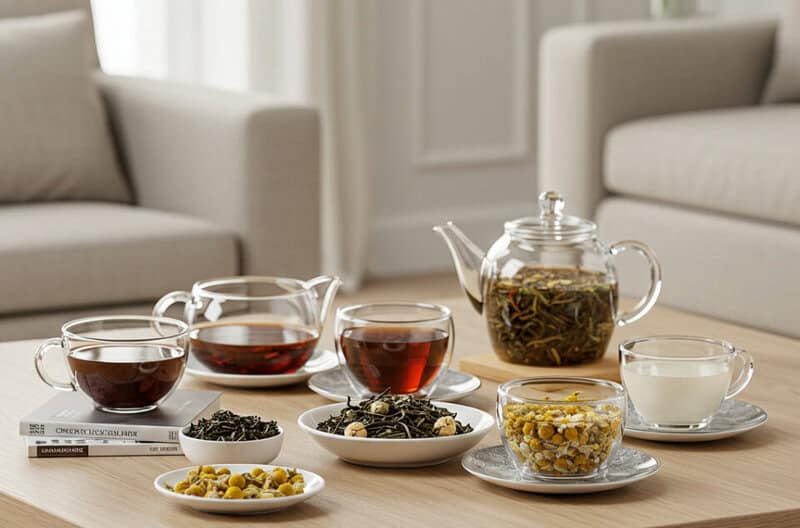
1. Black Cohosh Tea

Black cohosh tea is a popular herbal remedy for menopause, often used for hot flashes and night sweats. Its mechanism is not well understood, and it is not clearly estrogenic. Unlike conventional hormone therapy, which introduces synthetic or bioidentical hormones to restore balance, black cohosh tea offers a gentler, plant-based alternative that has been shown in some studies to reduce the severity and frequency of menopausal symptoms. However, its effectiveness can vary from person to person, and it may not be as potent as prescribed hormone treatments.
When considering black cohosh tea, it is essential to monitor for potential side effects, including stomach upset, headaches, and rare cases of liver toxicity. Women with liver disorders or those taking medications that affect liver function should exercise caution. Consultation with a healthcare professional before starting black cohosh is recommended to ensure safety and address any possible interactions. For more information, refer to the National Center for Complementary and Integrative Health and recent studies on black cohosh’s efficacy and safety in menopause management.
2. Red Clover Tea

Red clover tea is valued for its high concentration of isoflavones, a type of phytoestrogen that closely mimics the action of estrogen in the body. These isoflavones may help alleviate common menopause symptoms such as hot flashes, night sweats, and mild mood swings by gently modulating hormonal activity. Red clover’s mechanism is similar to that of soy-based supplements, which also derive their symptom-relief potential from isoflavones. However, red clover contains unique isoflavones like formononetin and biochanin A, which may offer slightly different benefits compared to soy, and some women find it less likely to cause digestive upset than soy products.
For practical daily use, red clover tea can be brewed from dried blossoms, but no evidence-based dose has been established, so people should ask a clinician before daily use. It is essential to choose high-quality, organic sources to avoid contaminants. Those with a history of hormone-sensitive conditions, or who take medications that interact with estrogen, should consult a healthcare professional before using red clover tea. For further details on isoflavones and the safety of red clover, visit the Mount Sinai Health Library and review additional clinical findings at NCBI.
3. Green Tea

Green tea is renowned for its abundant antioxidants, particularly catechins such as epigallocatechin gallate (EGCG), which have antioxidant activity and may support overall cellular health. During menopause, increased oxidative stress can contribute to symptoms like fatigue, mood changes, and even bone loss. Green tea contains antioxidant catechins, but evidence that it relieves these menopausal symptoms or prevents bone loss is limited and not established. Green tea contains caffeine, and its modest effects on metabolism and weight have been studied in general populations, not specifically for menopause. In many Asian countries, daily green tea consumption is associated with improved well-being and lower prevalence of menopausal symptoms, a trend often attributed to the polyphenols and supportive cultural dietary habits.
For optimal benefit, it is advisable to consume green tea in the morning or early afternoon, as the caffeine may disrupt sleep if drunk too late in the day. Steeping the tea for two to three minutes maximizes the extraction of antioxidants without causing bitterness. Those sensitive to caffeine can opt for decaffeinated varieties, which retain most of the beneficial polyphenols. For more on the health benefits of green tea, visit the Harvard Health Publishing and review green tea’s impact in menopause in the NCBI database.
4. Licorice Root Tea

Licorice root contains phytoestrogen-like compounds such as glabridin, which may act somewhat like estrogen in the body. Evidence that licorice root relieves menopause symptoms is limited to small studies. These phytoestrogens may play a role in stabilizing hormone levels, assisting with common complaints like hot flashes, mild mood swings, and vaginal dryness. Some small studies suggest licorice root extracts may reduce hot flashes in menopausal women.
Despite its potential benefits, licorice root tea must be consumed with caution. Glycyrrhizin, one of its active components, can lead to increased blood pressure and may cause water retention or lower potassium levels when consumed in large quantities or over long periods. Individuals with hypertension, heart disease, or those taking medications that affect blood pressure should avoid licorice root tea or consult their healthcare provider before use. For further guidance, see the Mount Sinai Health Library and review clinical safety data in the NIH Office of Dietary Supplements.
5. Sage Tea

Sage tea is widely recognized for its cooling effect on the body, making it a favored herbal remedy for tackling night sweats and hot flashes during menopause. The active compounds in sage, such as thujone and rosmarinic acid, are believed to help regulate sweating and body temperature, which may bring relief from disruptive nocturnal symptoms. Limited small studies have examined sage for hot flashes; evidence is preliminary, and it is not established as comparable to over-the-counter remedies. This positions sage tea as a natural, gentle option for women seeking symptom relief.
However, sage tea is not suitable for everyone. It should be used with caution by individuals with a history of seizures or epilepsy, as high doses or prolonged consumption of thujone may increase the risk of seizure activity. Additionally, those who are pregnant, breastfeeding, or taking medications that interact with the nervous system should consult a healthcare professional before use. More information about sage’s benefits and safety considerations can be found at the Mount Sinai Health Library and through systematic reviews at NCBI.
6. Peppermint Tea

Peppermint tea is celebrated for its soothing effect on digestion. Peppermint oil has some evidence for relieving tension headaches when applied topically, but evidence for drinking peppermint tea for headaches is limited. The menthol in peppermint acts as a gentle muscle relaxant, helping to ease intestinal cramping, bloating, and discomfort, which can become more prevalent due to hormonal fluctuations.
Unlike caffeinated drinks such as coffee or black tea, peppermint tea is naturally caffeine-free, making it an excellent choice for evening or nighttime consumption. This is especially beneficial for menopausal women who may already be struggling with sleep disturbances or insomnia. For optimal results, peppermint tea can be enjoyed after meals to support digestion or before bedtime to promote relaxation and restful sleep. For more information on peppermint’s health benefits and recommended use, visit the Healthline Peppermint Tea Guide and review clinical studies at NCBI.
7. Chamomile Tea

Chamomile tea is renowned for its gentle calming properties, making it a popular choice for menopausal women dealing with sleep disturbances and anxiety. Chamomile has traditionally been used as a mild sedative, but evidence for improved sleep or anxiety in menopausal women is limited and needs larger trials. Unlike prescription sleep aids, which can sometimes cause grogginess, dependency, or unwanted side effects, chamomile offers a natural and non-habit-forming alternative that can be incorporated into an evening wellness routine.
To maximize chamomile’s calming effects, it is recommended to drink a warm cup about 30 to 45 minutes before bedtime. Creating a calming bedtime routine—such as dimming the lights, avoiding screens, and sipping chamomile tea—can further enhance relaxation and signal to the body that it is time to rest. For more details on chamomile’s benefits for sleep and anxiety, visit the Sleep Foundation Chamomile Tea Guide and review the findings at NCBI.
8. Rooibos Tea

Rooibos tea, native to South Africa, is a naturally caffeine-free herbal infusion known for its antioxidant content. It contains polyphenols such as aspalathin and nothofagin, which are antioxidants, but human evidence for menopause-specific benefits is lacking. Because rooibos does not contain caffeine, it is particularly suitable for women who are sensitive to stimulants or who experience sleep disturbances, a common complaint during menopausal transitions. This makes rooibos a gentle and versatile choice for both day and evening consumption without the risk of interfering with sleep patterns.
In South Africa, rooibos tea is deeply woven into the culture, enjoyed both for its earthy, naturally sweet flavor and its perceived health benefits. Its popularity has spread globally as more people seek caffeine-free alternatives that still deliver robust antioxidant support. For those who are sensitive to caffeine or looking to reduce their intake, rooibos can be a flavorful substitute for green or black tea. For more on rooibos’ health benefits and its cultural significance, visit the Healthline Rooibos Tea Guide and see research from the NCBI database.
9. Dong Quai Tea

Dong quai, often called the ‘female ginseng,’ has a long history in Traditional Chinese Medicine (TCM) for supporting women’s health and hormonal balance, particularly during menopause. Dong quai tea is typically made from the root of the Angelica sinensis plant and is traditionally used for symptoms such as hot flashes, mood swings, and menstrual irregularities. Clinical evidence for its effectiveness is limited. Unlike many Western supplements that focus on isolated hormones or phytoestrogens, dong quai is usually part of a holistic approach, often blended with other herbs in traditional formulas to restore balance and harmony within the body.
While some Western supplements target specific symptoms with concentrated extracts or single active ingredients, dong quai tea’s complex phytochemical composition offers a more nuanced and gentle approach to symptom management. However, it’s important to be aware of potential interactions. Dong quai may increase sensitivity to sunlight and can interact with blood thinners, anticoagulants, or hormone therapies, potentially increasing the risk of bleeding or other adverse effects. Women considering dong quai should consult a healthcare provider before use, especially if taking medications. For more information, refer to the Mount Sinai Health Library and review clinical insights at NCBI.
10. Valerian Root Tea

Valerian root tea is well-known for its natural sedative effects, making it a popular herbal remedy for insomnia and sleep disturbances frequently experienced during menopause. Valerian contains compounds like valerenic acid that are thought to act partly through gamma-aminobutyric acid (GABA) receptors, though the exact mechanism has not been established. Valerian may promote relaxation and reduce the time it takes to fall asleep. While melatonin supplements are also commonly used to regulate sleep-wake cycles, valerian root is thought to act on relaxation pathways rather than adjusting circadian rhythms. Some women find valerian’s calming properties to be a gentle, non-hormonal alternative for improving sleep quality.
It is important to note, however, that valerian root may cause drowsiness or grogginess after use. As a result, those who drink valerian tea should avoid driving, operating heavy machinery, or performing tasks requiring alertness for several hours following consumption. Additionally, valerian may interact with sedative medications or other sleep aids, so it’s crucial to consult a healthcare provider before incorporating it into a routine. For more details on valerian’s efficacy and safety, visit the Sleep Foundation Valerian Root Guide and explore recent research at NCBI.
11. Lemon Balm Tea

Lemon balm tea, brewed from the leaves of Melissa officinalis, is cherished for its mood-lifting and anxiety-reducing effects, making it especially helpful for women facing mood swings or mild anxiety during menopause. The herb’s active compounds, including rosmarinic acid, are believed to modulate neurotransmitters in the brain, resulting in a calming and uplifting effect. Unlike prescription antidepressants, which often alter brain chemistry more dramatically and may carry risks of dependency or side effects, lemon balm tea offers a gentle, natural approach to improving emotional well-being. Studies suggest that regular intake can help reduce stress and enhance mood without significant adverse effects.
Lemon balm tea can be easily incorporated into daily routines. It is well-suited for mid-morning or afternoon breaks, offering a caffeine-free option for stress relief and mental clarity. To maximize benefits, steep fresh or dried leaves for 5-10 minutes and enjoy up to three cups per day. Individuals taking thyroid medications, sedatives, or antidepressants should consult a healthcare provider, as lemon balm may interact with these treatments. For more information, visit the Mount Sinai Health Library and explore clinical research at NCBI.
12. Passionflower Tea

Passionflower tea, made from the leaves and flowers of Passiflora incarnata, is widely recognized for its ability to reduce stress and promote restful sleep—two issues that can be particularly challenging during menopause. Passionflower’s active compounds, including flavonoids and alkaloids, are thought to increase gamma-aminobutyric acid (GABA) levels in the brain, which helps calm nervous activity and ease anxiety. Clinical trials have demonstrated that passionflower can improve sleep quality and reduce mild anxiety symptoms. For example, a study published in Phytotherapy Research found that participants drinking passionflower tea reported significant improvements in sleep patterns and anxiety reduction.
When considering passionflower tea, it is important to use caution if combining it with other sleep aids or sedatives, including prescription medications or herbal supplements like valerian root. Combining multiple sedative agents may lead to excessive drowsiness or impaired alertness. It is wise to consult a healthcare provider before mixing passionflower with other sleep-promoting remedies. For further reading on passionflower’s benefits and safety profiles, refer to the Mount Sinai Health Library and explore additional studies in the NCBI database.
13. Motherwort Tea

Motherwort tea, derived from the Leonurus cardiaca plant, is known for its dual benefits of cardiovascular and hormone support, making it a valuable ally during menopause. The plant contains compounds such as leonurine and stachydrine, which are believed to help regulate heart rhythm, lower mild hypertension, and provide a calming effect on the nervous system. Additionally, motherwort has mild phytoestrogenic activity, supporting hormonal balance and easing symptoms like palpitations and emotional fluctuations.
Historically, motherwort was used by traditional herbalists to “comfort the heart” and support women during childbirth and menopause. Modern herbal medicine continues to value motherwort for its ability to address both physical and emotional symptoms associated with hormonal transitions. However, its cardiovascular effects mean that those taking heart medications—such as beta-blockers, blood thinners, or medications for arrhythmia—should exercise caution. Motherwort may potentiate or interfere with these drugs, so consultation with a healthcare provider is strongly recommended. For more information about motherwort’s uses and safety, visit the Mount Sinai Health Library and review scientific literature at NCBI.
14. Ginseng Tea

Ginseng tea, made from the roots of Panax ginseng or Panax quinquefolius, is widely appreciated for its adaptogenic properties, which help the body manage stress, boost energy, and stabilize mood—benefits that are particularly valuable during menopause. Adaptogens like ginsenosides support the adrenal system and help the body adapt to hormonal fluctuations, fatigue, and emotional ups and downs. Unlike caffeine, which delivers a rapid but sometimes jittery burst of energy, ginseng provides a more sustained and balanced increase in vitality without overstimulating the nervous system.
Ginseng tea can be a useful alternative for women seeking to improve alertness and mood without relying on caffeinated beverages. However, it may interact with certain medications, including blood thinners, diabetes medications, and antidepressants. Additionally, individuals with hypertension, hormone-sensitive conditions, or autoimmune diseases should consult a healthcare provider before starting ginseng tea, as its effects may vary depending on individual health status and existing treatments. For more details on ginseng’s adaptogenic benefits and safety precautions, visit the Mount Sinai Health Library and explore ginseng research at the NCBI database.
15. Ashwagandha Tea

Ashwagandha tea, brewed from the roots of Withania somnifera, is traditionally used as an adaptogen and is often promoted to support healthy cortisol levels and ease anxiety—two critical factors for women navigating the stress and mood swings of menopause. Some small trials suggest ashwagandha may reduce stress and cortisol, but evidence for tea specifically is limited. This ancient herb is thought to help regulate the body’s stress response, which can be elevated during hormonal transitions. Unlike pharmaceutical anxiolytics that often act on neurotransmitter receptors and may produce drowsiness or dependency, ashwagandha offers a gentler, holistic approach to easing anxiety and enhancing emotional resilience.
Practical use of ashwagandha tea involves steeping the powdered root or tea bags in hot water for 5-10 minutes, ideally consumed in the afternoon or evening for stress relief. It is generally well tolerated, but individuals taking thyroid medications, immunosuppressants, or sedatives should consult a healthcare provider due to possible herb-drug interactions. Ashwagandha may also help promote restful sleep and improve energy levels, making it a valuable addition to daily routines for menopausal women. For more information on ashwagandha’s benefits and safety, visit the Mount Sinai Health Library and explore research in the NCBI database.
16. Fennel Tea

Fennel tea, crafted from the seeds of the Foeniculum vulgare plant, is notable for its phytoestrogen content and its well-established digestive benefits. The phytoestrogens in fennel may help ease common menopausal symptoms such as hot flashes and hormonal imbalances by gently mimicking the effects of estrogen in the body. Additionally, fennel’s antispasmodic and carminative properties make it highly effective for relieving bloating, gas, and digestive discomfort, which can be more pronounced during menopause due to shifting hormone levels.
Compared to over-the-counter gas remedies, fennel tea offers a natural and soothing alternative without synthetic additives or harsh chemicals. The calming action of fennel on the digestive tract is supported by traditional use as well as modern studies, such as those reviewed by the NCBI. For best results, fennel tea can be enjoyed after meals to prevent or relieve digestive discomfort and to support hormone balance throughout the day. For more information on fennel’s therapeutic uses and safety, visit the Mount Sinai Health Library and consult recent clinical findings.
17. Hibiscus Tea

Hibiscus tea, made from the vibrant calyces of the Hibiscus sabdariffa flower, is cherished for its high antioxidant content and its beneficial effects on blood pressure. Rich in anthocyanins and vitamin C, hibiscus tea helps combat oxidative stress, which is particularly important during menopause when cellular aging and inflammation may accelerate. Recent clinical studies, such as one reviewed by the NCBI, have shown that regular consumption of hibiscus tea may lead to modest but significant reductions in both systolic and diastolic blood pressure, making it a valuable beverage for menopausal women managing cardiovascular risk factors.
For preparation, steep dried hibiscus petals in hot water for 5-7 minutes to extract their tart, cranberry-like flavor and vibrant color. Hibiscus tea can be enjoyed hot or cold, and sweetened lightly if desired. It is best consumed in moderation, as excessive intake might affect blood pressure or interact with certain medications, including diuretics and antihypertensives. For more guidance on hibiscus tea’s benefits and safe use, consult the Mount Sinai Health Library and further clinical resources available online.
18. Nettle Tea

Nettle tea, brewed from the leaves of the Urtica dioica plant, is valued for its potent anti-inflammatory properties and dense mineral content. Rich in calcium, magnesium, iron, and silica, nettle tea offers essential nutrients that support bone health and energy levels—two concerns for women during menopause. Its anti-inflammatory effects may help alleviate joint pain or mild swelling, symptoms that can arise due to hormonal fluctuations. Nettle also provides a range of antioxidants that contribute to overall wellness and immune support.
Compared to green leafy vegetables like spinach or kale, nettle tea delivers a similar mineral boost in a convenient, easily absorbed liquid form. This makes it a practical addition to the menopausal diet, especially for those struggling to consume enough leafy greens. However, some individuals may be allergic to nettle, particularly those with sensitivities to plants in the same family. Mild reactions like itching or stomach upset can occur, so it’s best to start with small amounts. For more on nettle tea’s nutritional benefits and allergy considerations, visit the Mount Sinai Health Library and review clinical research at NCBI.
19. Oatstraw Tea

Oatstraw tea, made from the stems and leaves of the Avena sativa plant, is prized for its dual benefits of supporting bone health and promoting a sense of relaxation. Rich in bioavailable calcium, magnesium, silica, and other trace minerals, oatstraw offers nutritional support that may help counteract the bone density loss often experienced during menopause. Additionally, oatstraw contains compounds that nourish the nervous system, helping to reduce stress and support emotional well-being without the sedative effects associated with some pharmaceutical options.
Compared to calcium supplements, oatstraw tea provides a more holistic approach, delivering a spectrum of minerals in a natural, easily absorbed form, and without the risk of excess calcium buildup. This makes it particularly beneficial for women who prefer plant-based or gentle alternatives to fortified supplements. Oatstraw tea may be especially helpful for those with mild anxiety, trouble relaxing, or looking for a daily ritual to support both mind and body. For safety, individuals with celiac disease or oat allergies should avoid it. Learn more about oatstraw’s benefits at the Mount Sinai Health Library and explore research findings at NCBI.
20. Raspberry Leaf Tea

Raspberry leaf tea, made from the leaves of the Rubus idaeus plant, is traditionally used for uterine support and menstrual symptoms. It contains fragarine and other plant compounds, but clinical evidence for uterine toning or reduced cramping is limited. During perimenopause and early menopause, when cycles may become irregular and discomfort more pronounced, raspberry leaf tea is a traditional, gentle, natural option for symptom relief.
Unlike period pain medications such as NSAIDs, which target inflammation and pain but may cause stomach upset or long-term side effects, raspberry leaf tea is traditionally used for menstrual symptoms, though clinical evidence for its effects is limited. It is generally well-tolerated and can be consumed regularly for ongoing support. To prepare, steep one to two teaspoons of dried raspberry leaves in hot water for 10-15 minutes; strain and enjoy up to two to three cups daily. For more information on raspberry leaf tea’s benefits and its historical use for women’s health, see the Mount Sinai Health Library and review clinical insights at the NCBI.
21. Dandelion Root Tea

Dandelion root tea, brewed from the roots of Taraxacum officinale, is known for its traditional diuretic use and is sometimes valued for liver support, making it an option some women consider during menopause. The root contains compounds such as inulin and taraxacin. Claims that dandelion root promotes liver detoxification are not established by clinical evidence. In traditional use, dandelion root acts as a gentle diuretic, which may help with mild bloating, a common complaint during hormonal transitions.
Compared to commercial “detox teas,” which often contain harsh laxatives or stimulants, dandelion root tea offers a milder, traditionally used approach with fewer side effects. For those with healthy kidneys, dandelion root tea can be consumed a few times a week as part of a balanced wellness routine. However, individuals with kidney disease or a history of kidney stones should consult a healthcare provider before using any diuretic herbs, as they may increase the risk of complications. For more information about dandelion root’s benefits and safety, visit the Mount Sinai Health Library and review clinical studies at NCBI.
22. Turmeric Tea

Turmeric tea, made from the ground root of Curcuma longa, is celebrated for its impressive anti-inflammatory and antioxidant activity, largely thanks to its active compound curcumin. These properties are especially valuable for menopausal women, as inflammation can contribute to joint pain, mood swings, and other discomforts during hormonal changes. Recent research, such as the systematic review available through the NCBI, highlights curcumin’s ability to reduce markers of inflammation, support metabolic health, and provide protection against oxidative stress.
For optimal results, turmeric tea is best prepared by simmering ground turmeric in hot water and adding a pinch of black pepper. Black pepper contains piperine, which significantly enhances the absorption of curcumin, making the anti-inflammatory effects of turmeric more bioavailable. Turmeric tea can be enjoyed once or twice daily and may be combined with ingredients such as ginger or lemon for added flavor and health benefits. For more information on turmeric’s therapeutic uses and recipe suggestions, see the Mount Sinai Health Library and consult recent clinical trials and reviews for guidance on dosing and efficacy.
23. Lavender Tea

Lavender tea, brewed from the delicate buds of Lavandula angustifolia, is renowned for its calming effects, particularly for managing anxiety and insomnia—two concerns frequently reported during menopause. The tea contains linalool and other aromatic compounds that may help soothe the nervous system, promoting relaxation and facilitating restful sleep. Some small studies, referenced by the NCBI, suggest lavender may reduce anxiety and improve sleep quality in adults, but evidence specific to menopausal women and to lavender tea is limited.
To maximize the benefits of lavender tea, consider incorporating it into a nightly bedtime ritual. Pairing a warm cup of lavender tea with calming activities—such as gentle stretching, reading, or practicing deep breathing—can help signal the body that it’s time to wind down. This creates a multi-sensory experience that capitalizes on lavender’s soothing scent and flavor, reinforcing relaxation and promoting more restorative sleep. For more information on lavender’s uses, safety, and integration into wellness routines, visit the Mount Sinai Health Library and review additional evidence from aromatherapy studies in the NCBI database.
24. Thyme Tea

Thyme tea, prepared from the leaves of Thymus vulgaris, is valued for its antimicrobial and respiratory benefits, making it a supportive herbal option for menopausal women prone to seasonal respiratory discomfort or mild infections. Thyme contains thymol and carvacrol, compounds known for their ability to inhibit the growth of bacteria and viruses, as well as to soothe sore throats and ease coughs. These properties make thyme tea a natural alternative to menthol-based remedies, offering similar relief for respiratory symptoms but with the added benefit of antimicrobial action.
While menthol remedies primarily provide a cooling sensation and temporary symptom relief, thyme tea addresses underlying microbial activity and supports immune function. It can be especially helpful during seasonal changes or when menopause-related hormonal shifts affect respiratory health. For safety, individuals with allergies to mint, oregano, or other members of the Lamiaceae family should use caution, as cross-reactivity is possible. Always start with a small amount when trying thyme tea for the first time. For more on thyme’s health benefits and safety, visit the Mount Sinai Health Library and read clinical data at NCBI.
25. Shatavari Tea

Shatavari tea, made from the root of Asparagus racemosus, holds a prominent place in Ayurvedic medicine as a tonic for female hormonal balance and reproductive health. Traditionally, shatavari is used to nourish the female reproductive system, ease symptoms of menopause such as hot flashes and mood swings, and support overall vitality. Its adaptogenic and phytoestrogenic properties are believed to help balance estrogen levels and promote resilience during hormonal transitions. In contrast to Western approaches, which often focus on isolated hormone replacement or pharmaceutical interventions, Ayurvedic medicine emphasizes holistic, plant-based support with minimal side effects.
Western medicine may use synthetic or bioidentical hormones to manage menopausal symptoms, but shatavari tea offers a gentle, natural strategy that targets the root causes of imbalance within the body. When sourcing shatavari tea, it is crucial to choose reputable brands that use organic, sustainably harvested roots to ensure purity and potency. Adulteration or contamination can be an issue with poorly sourced herbs. For more on shatavari’s traditional uses and modern research, visit the NCBI database and consult the Ayurveda Institute’s overview for sourcing guidance and preparation tips.
26. Chasteberry (Vitex) Tea

Chasteberry tea, derived from the fruit of the Vitex agnus-castus plant, is renowned for its ability to modulate prolactin levels and support menstrual cycle regulation. By influencing the pituitary gland, chasteberry may help lower elevated prolactin, which in turn can stabilize hormonal fluctuations, reduce breast tenderness, and promote more regular cycles during perimenopause. These effects make it a frequently recommended herbal remedy for women managing irregular periods or premenstrual symptoms as they transition to menopause.
Clinical trials have highlighted chasteberry’s efficacy in alleviating symptoms of premenstrual syndrome and cycle irregularity, with some studies—such as those reviewed by the NCBI—demonstrating improvements in mood, breast pain, and menstrual regularity. For best results, chasteberry tea should be consumed daily, ideally in the morning, as part of a consistent wellness routine. Effects may take several weeks to become noticeable. Women taking dopamine agonists, antipsychotic medications, or experiencing hormone-sensitive conditions should consult their healthcare provider before use. For further details on best practices, visit the Mount Sinai Health Library and review current clinical research.
27. Holy Basil (Tulsi) Tea

Holy basil, also known as tulsi, is revered in Ayurvedic medicine for its adaptogenic and anti-stress effects. Tulsi tea helps the body adapt to physical and emotional stress by balancing cortisol levels, supporting immune function, and promoting mental clarity. Like ashwagandha, another well-known adaptogen, holy basil works holistically to restore equilibrium during hormonal upheaval such as menopause. However, tulsi is particularly noted for its uplifting effects on mood and its gentle support for respiratory and digestive health, making it a versatile choice for daily wellness.
Compared to ashwagandha, holy basil offers a lighter, more refreshing taste and is frequently consumed throughout the day as a calming beverage. It can be easily integrated into daily rituals—enjoyed in the morning to start the day with focus, or in the afternoon to reduce stress and restore balance. For optimal benefits, steep fresh or dried tulsi leaves for 5-10 minutes and drink up to three cups daily. For more information on tulsi’s adaptogenic properties, visit the NCBI and explore best practices for preparation and use through the Mount Sinai Health Library.
28. Cardamom Tea

Cardamom tea, made from the aromatic seeds of Elettaria cardamomum, is celebrated for its digestive and mood-enhancing effects. This spice has long been used in both Ayurvedic and Middle Eastern traditions to soothe indigestion, reduce bloating, and alleviate nausea—symptoms that may become more frequent during menopause due to hormonal shifts. Cardamom’s warming, mildly sweet flavor can also uplift the senses and help relieve mild mood disturbances, offering a gentle boost to emotional well-being much like the invigorating effects of peppermint tea.
While peppermint is known for its cooling properties and ability to relax digestive muscles, cardamom provides a warming, carminative action that stimulates digestion and eases discomfort after meals. The two teas can complement each other and are often combined in herbal blends to maximize digestive and mood benefits. For daily use, cardamom pods can be gently crushed and steeped alone or alongside other herbs such as ginger, cinnamon, or black tea for a flavorful and health-promoting drink. For more on cardamom’s digestive and mood-supporting properties, visit the NCBI and find practical blending tips at the Healthline Cardamom Tea Guide.
29. Saffron Tea

Saffron tea, crafted from the delicate stigmas of the Crocus sativus flower, is prized for its mood-boosting properties. Saffron contains bioactive compounds such as crocin and safranal, which have been shown to positively influence neurotransmitter activity in the brain. Small studies, including those reviewed by the NCBI, suggest saffron may help reduce symptoms of mild to moderate depression. Evidence that saffron improves mood in menopausal women or reduces hot flashes is preliminary.
While saffron is among the world’s most expensive spices, a little goes a long way—only a few strands are needed to brew a fragrant, golden cup of tea. For cost-saving, consider purchasing saffron in small quantities from reputable sources and using it sparingly, or blending with other herbal teas to extend its use. Saffron can be steeped alone or combined with ingredients like cardamom or cinnamon for added flavor and health benefits. For more on saffron’s mood and menopause support, visit the Healthline Saffron Benefits Guide and explore further research at the NCBI.
30. Cinnamon Tea

Cinnamon tea, brewed from the bark of the Cinnamomum tree, is well-regarded for its anti-inflammatory and blood sugar balancing properties. The active compounds in cinnamon, such as cinnamaldehyde, help reduce inflammation in the body and may alleviate joint pain or swelling related to hormonal changes. Additionally, some studies suggest cinnamon may modestly lower blood sugar, but evidence does not establish benefit for menopause-related weight gain or energy fluctuations.
Compared to traditional remedies that may focus solely on joint health or blood sugar management, cinnamon tea offers a holistic approach, addressing both inflammation and metabolism in one warming, aromatic cup. For best results, use Ceylon cinnamon (“true” cinnamon) rather than Cassia to minimize potential toxicity from high coumarin content. Simply simmer a cinnamon stick or a teaspoon of ground Ceylon cinnamon in hot water for 10-15 minutes, strain, and enjoy. For more on cinnamon’s health benefits and safe preparation techniques, visit the Healthline Cinnamon Tea Guide and consult supporting research on NCBI.
31. White Peony Tea

White peony tea, derived from the root of the Paeonia lactiflora plant, is traditionally used in Chinese medicine for its hormone-modulating effects. The active constituents, such as paeoniflorin, are believed to help balance estrogen and progesterone levels, making white peony especially valuable for women experiencing irregular cycles, mood swings, or hot flashes during menopause. Its gentle action can help reduce hormonal imbalances without the direct estrogenic activity of some other herbs.
Compared to black cohosh, which is also used to relieve menopausal symptoms through phytoestrogens, white peony acts more as a regulator of the endocrine system rather than as a substitute for estrogen. This makes it a good option for those seeking hormone support with a lower risk of stimulating hormone-sensitive tissues. When sourcing white peony tea, it is essential to choose reputable suppliers specializing in traditional Chinese medicinal herbs, as quality and authenticity can vary greatly. Always verify the Latin name (Paeonia lactiflora) and opt for organic or wild-harvested roots when possible. For more information on white peony’s hormone-supporting benefits, see the NCBI and refer to sourcing guidelines at the Acupuncture Today Herb Central.
32. Elderflower Tea

Elderflower tea, brewed from the delicate blossoms of the Sambucus nigra plant, is prized for its immune-boosting and anti-inflammatory properties. Rich in flavonoids and antioxidants, elderflower tea helps fortify the immune system, which can be especially helpful for menopausal women who may be more susceptible to mild infections or seasonal illnesses. Its anti-inflammatory effects also make it useful for soothing sore throats, reducing sinus congestion, and easing mild joint discomfort associated with hormonal changes.
In Europe, elderflower tea is a time-honored remedy, commonly used to support respiratory health and as a gentle tonic during cold and flu season. It’s valued for both its pleasant floral flavor and its historical reputation as a healing beverage. However, individuals with allergies to plants in the honeysuckle family or those prone to pollen allergies should exercise caution, as elderflower may trigger mild allergic reactions in sensitive individuals. Always ensure that elderflowers are properly identified and sourced from reputable suppliers to avoid consuming potentially toxic parts of the plant. For more on elderflower’s health benefits and safety, see the Mount Sinai Health Library and review research at NCBI.
33. Yarrow Tea

Yarrow tea, derived from the leaves and flowers of the Achillea millefolium plant, has a traditional use for menstrual bleeding, though clinical evidence is limited. It is also traditionally valued for its anti-inflammatory benefits. Yarrow contains flavonoids and alkaloids, and its anti-inflammatory properties can help ease abdominal discomfort and mild cramping, making it a natural companion for menstrual and menopausal symptom management.
While over-the-counter pain relief medications like NSAIDs target inflammation and pain, yarrow tea offers a gentler, plant-based approach, though its use for heavy bleeding is traditional and not well established. However, yarrow possesses mild blood-thinning effects, so it should be used with caution by anyone taking anticoagulant medications or with bleeding disorders. Prolonged or excessive use is not recommended without consulting a healthcare provider. For more information on yarrow’s traditional and clinical uses, see the Mount Sinai Health Library and review recent research at the NCBI database for up-to-date safety and efficacy guidance.
34. Blue Vervain Tea

Blue vervain tea, brewed from the aerial parts of Verbena hastata, is known for its calming effects on stress and muscular tension. Traditionally used in North American and European herbal medicine, blue vervain is thought to help soothe nervous anxiety, mild depression, and physical manifestations of stress such as neck and shoulder tightness. Its bitter compounds, including iridoid glycosides and flavonoids, may modulate the nervous system and provide gentle sedative effects, making it helpful for menopausal women facing emotional turbulence or frequent tension headaches.
Compared to passionflower, which primarily supports sleep and anxiety by boosting GABA activity in the brain, blue vervain offers a broader spectrum of nervine and anti-spasmodic actions, targeting both mental stress and muscle tension. Blue vervain is best enjoyed as an evening tea or during particularly stressful periods. For optimal results, steep one to two teaspoons of dried blue vervain in hot water for 10-15 minutes. Those with sensitive stomachs should start with small amounts, as the tea can be quite bitter. For more on blue vervain’s calming benefits and use in menopause, visit the Mount Sinai Health Library and explore research at the NCBI.
35. Mugwort Tea

Mugwort tea, made from the leaves of Artemisia vulgaris, has a long history in traditional medicine for its role in menstrual regulation and its reputed ability to promote vivid dreams. Herbalists have used mugwort to help stimulate delayed or irregular periods, a common issue during perimenopause, due to its mild uterine tonic and emmenagogue properties. Mugwort also contains compounds such as thujone and flavonoids, which may support nervous system relaxation and enhance dream recall, making it unique among teas used for women’s health.
Compared to other cycle-supporting teas like raspberry leaf or chasteberry, mugwort is generally used more specifically for menstrual irregularity and less for overall hormone balance. It is best consumed occasionally and not recommended for daily, long-term use. Safety is a key consideration: mugwort should be avoided by pregnant women, those trying to conceive, or individuals with allergies to plants in the Asteraceae family. High doses may cause nervous system irritation or toxicity. For best results, steep a small amount of dried mugwort leaves for 5-10 minutes and consult a healthcare provider if you have underlying health concerns. For more about mugwort’s uses and safety, see the Mount Sinai Health Library and review research at NCBI.
36. Angelica Tea

Angelica tea, made from the roots and stems of the Angelica archangelica plant, is valued for its phytoestrogen content and digestive aid benefits. The tea contains plant-based compounds that gently mimic estrogen activity, making it a natural option for alleviating menopausal symptoms such as hot flashes and mood swings. Additionally, angelica has been traditionally used to relieve digestive issues, including bloating and indigestion, thanks to its carminative and mild antispasmodic properties that soothe the gastrointestinal tract during hormonal fluctuations.
Angelica shares similarities with dong quai, another renowned herb for women’s health, but is often considered milder and more focused on digestion as well as hormone support. While dong quai is a cornerstone of Traditional Chinese Medicine for menstrual and menopausal regulation, angelica is more commonly used in European herbal traditions and may be better tolerated by those seeking gentle phytoestrogenic effects combined with digestive comfort.
The best times to brew angelica tea are after meals to aid digestion or in the late afternoon to support hormone balance without overstimulating the system before bedtime. For more on angelica’s benefits and safe use, visit the Mount Sinai Health Library and review studies at the NCBI.
37. Linden Flower Tea

Linden flower tea, prepared from the blossoms of the Tilia tree, is cherished for its mild sedative and anti-inflammatory effects. The tea contains flavonoids and volatile oils that help calm the nervous system, ease mild anxiety, and promote gentle relaxation, making it a favored natural remedy for sleep disturbances common in menopause. Additionally, linden’s anti-inflammatory properties can help soothe headaches, joint discomfort, and mild sore throats that may accompany hormonal changes.
Linden flower tea has deep roots in European traditions, where it is often served in the evening as a calming beverage to support restful sleep and relieve daily stress. It is enjoyed both for its delicate, honey-like flavor and its historical reputation as a gentle remedy for tension and inflammation. For best results, linden tea should be consumed 30-45 minutes before bedtime as part of a relaxing nighttime ritual. This can include dimming lights, reading, or practicing mindfulness to enhance its sedative effects. For more information on linden flower’s benefits and safety, visit the Mount Sinai Health Library and review clinical research at the NCBI.
38. Orange Peel Tea

Orange peel tea, made from the dried rinds of Citrus sinensis, is notable for its rich antioxidant content and digestive benefits. Packed with vitamin C, flavonoids, and essential oils, orange peel tea helps neutralize free radicals and support immune health, which can be especially important during menopause. The tea’s natural bitterness and aromatic oils also stimulate digestion, reduce bloating, and aid in relieving mild gastrointestinal discomfort—similar to the calming digestive effect of lemon balm, but with a brighter, citrusy flavor profile.
While lemon balm is best known for its calming and anxiolytic properties, orange peel tea excels as both a digestive tonic and an antioxidant-rich beverage. The two can be combined for a soothing, uplifting blend. To enhance the flavor of orange peel tea, try pairing it with warming spices such as cinnamon, ginger, or cloves, or add a touch of honey for sweetness. Always use organic peels to avoid pesticide residues. For more on orange peel’s health benefits and preparation tips, visit the Healthline Orange Peel Benefits Guide and review supporting research at the NCBI.
39. Anise Seed Tea

Anise seed tea, brewed from the seeds of Pimpinella anisum, is valued for its mild estrogenic effects and digestive support. The seeds contain anethole, a phytoestrogen that can gently mimic estrogen in the body, offering relief from symptoms such as mild hot flashes and menstrual irregularities during menopause. Anise seed tea also acts as a carminative, helping to relax the digestive tract, ease bloating, and relieve mild gas or indigestion—common complaints during hormonal transitions.
While anise and fennel are often compared due to their similar licorice-like flavors and digestive benefits, anise tends to be slightly sweeter and more aromatic, whereas fennel is more robust and earthy. Both offer phytoestrogenic support, but anise may be more effective for those seeking a pronounced flavor and gentle hormonal balance. When using anise seed tea, individuals with allergies to plants in the Apiaceae family (such as celery, carrot, or dill) should exercise caution, as cross-reactions are possible. For further information on anise’s uses and safety, visit the Mount Sinai Health Library and consult clinical research at the NCBI.
40. Marshmallow Root Tea

Marshmallow root tea, prepared from the roots of Althaea officinalis, is celebrated for its soothing impact on mucous membranes throughout the body. The tea contains a high concentration of mucilage, a gel-like substance that coats and calms irritated tissues in the throat, mouth, and digestive tract. This makes marshmallow root tea especially helpful for relieving sore throats, dry coughs, and mild gastrointestinal discomfort—symptoms that can sometimes occur or worsen during menopause due to hormonal changes and increased susceptibility to irritation.
Marshmallow root’s effects are similar to those of slippery elm, another demulcent herb, but marshmallow is often preferred for its milder flavor and gentler action. Both herbs form a protective barrier that helps reduce inflammation and promote healing in mucous membrane tissue. For relief of sore throats, steep marshmallow root in cold or warm water for at least 30 minutes to maximize mucilage extraction, then sip slowly. Individuals with diabetes or taking blood sugar-lowering medications should consult a healthcare provider, as marshmallow root may affect glucose absorption. For more information, visit the Mount Sinai Health Library and review scientific findings at the NCBI.
41. Eleuthero (Siberian Ginseng) Tea

Eleuthero tea, made from the root of Eleutherococcus senticosus (commonly known as Siberian ginseng), is celebrated for its adaptogenic properties, especially in combating fatigue and enhancing resilience to stress. Eleuthero helps normalize adrenal function, improve energy levels, and support cognitive clarity—making it a valuable herbal ally for menopausal women experiencing tiredness, brain fog, or decreased stamina. Unlike Panax ginseng, which contains ginsenosides and is renowned for its strong energizing and endocrine-modulating effects, eleuthero’s active compounds (eleutherosides) provide a milder, more balanced adaptogenic boost without overstimulation or jitteriness.
Eleuthero tea is best consumed in the morning or early afternoon to revitalize without interfering with nighttime sleep. However, it is not suitable for everyone. Individuals with hypertension, heart conditions, insomnia, or those who are pregnant or breastfeeding should avoid eleuthero due to its stimulating effects and potential for raising blood pressure. Additionally, those taking certain medications (including anticoagulants, immune suppressants, or diabetes medications) should consult a healthcare provider before use. For more details on eleuthero’s benefits and contraindications, visit the Mount Sinai Health Library and review research at the NCBI.
42. Gotu Kola Tea

Gotu kola tea, prepared from the leaves of Centella asiatica, is esteemed for its cognitive-enhancing and circulation-boosting benefits. Traditionally used in Ayurvedic and Chinese medicine, gotu kola supports mental clarity, memory, and focus—attributes that can be particularly helpful for menopausal women experiencing brain fog or mild forgetfulness. Its triterpenoids also help strengthen blood vessels, promote healthy circulation, and support skin elasticity, offering additional benefits during the aging process.
While ginkgo biloba is another herb well-known for improving cognitive function and circulation, gotu kola is generally considered gentler and more versatile, with additional mild calming effects that can help manage stress alongside sharpening the mind. Best use scenarios for gotu kola tea include mid-morning or early afternoon consumption to enhance productivity and mental alertness, or as part of a wellness routine for those seeking gentle nervous system support. Individuals with liver disease or those taking sedative medications should consult a healthcare provider before use, as gotu kola may interact with certain drugs. For more on gotu kola’s cognitive and circulatory actions, visit the Mount Sinai Health Library and explore supporting research at the NCBI.
43. Schisandra Berry Tea

Schisandra berry tea, brewed from the berries of Schisandra chinensis, is valued for its adaptogenic and liver-protective effects. As a potent adaptogen, schisandra helps the body adapt to physical and emotional stress, supporting resilience during menopause. Its lignans support liver function, aid in detoxification, and help regulate hormone metabolism—important factors for women experiencing hormonal fluctuations. Several studies, like those reviewed by the NCBI, have documented schisandra’s hepatoprotective activity and ability to improve endurance and mental performance.
When compared to milk thistle, another herb famous for protecting the liver, schisandra offers broader benefits as both a stress modulator and a tonic for energy, mood, and skin. Milk thistle focuses more on liver cell regeneration, while schisandra provides comprehensive adaptogenic support alongside liver care. Schisandra berry tea has a unique, tart, and slightly salty-sweet flavor—often described as “five-flavor berry.” To improve palatability, it can be blended with hibiscus, rose hips, or a touch of honey. For more on schisandra’s adaptogenic and liver-protective uses, visit the Mount Sinai Health Library and explore research at the NCBI.
44. Milk Thistle Tea

Milk thistle tea, made from the seeds of Silybum marianum, is renowned for its support of liver detoxification and hormone metabolism. The primary active compound, silymarin, acts as a potent antioxidant that helps protect liver cells from toxins and oxidative stress. Because the liver plays a central role in processing and metabolizing hormones, supporting liver health with milk thistle can be especially beneficial for menopausal women experiencing hormonal imbalances or symptoms linked to sluggish detoxification pathways.
Clinical studies, such as those referenced by the NCBI, have examined whether silymarin can improve liver enzyme function and reduce inflammation, but evidence is mixed and no established tea dose exists; consult a clinician before use. High doses are not recommended, as they may cause mild gastrointestinal upset in sensitive individuals. Those with allergies to plants in the Asteraceae family should avoid milk thistle, and anyone taking medications metabolized by the liver should consult a healthcare provider before use. For further guidance on clinical research, visit the Mount Sinai Health Library.
45. Corn Silk Tea

Corn silk tea, made from the silky threads found on ears of Zea mays (corn), is valued for its mild diuretic properties and urinary tract support. Traditionally used to ease water retention, promote gentle flushing of the urinary tract, and support kidney health, corn silk tea can be particularly helpful for menopausal women who experience mild bloating or are prone to urinary frequency and discomfort. Its gentle action helps maintain urinary system health without causing significant electrolyte loss.
When compared to dandelion tea, another popular diuretic, corn silk is generally milder and less likely to overstimulate the kidneys or cause dehydration. Dandelion offers additional liver-supporting benefits, while corn silk is best focused on urinary comfort and gentle fluid balance. Women with a history of kidney disease, severe urinary tract infections, or those taking diuretic medications should consult a healthcare provider before using corn silk tea to avoid potential complications or drug interactions. For more information on corn silk’s traditional uses and safety, visit the Mount Sinai Health Library and review supporting research on NCBI.
46. Burdock Root Tea

Burdock root tea, prepared from the roots of Arctium lappa, is cherished for its detoxifying properties and its role in balancing estrogen. Burdock contains inulin, lignans, and various antioxidants that support liver and kidney function, helping the body eliminate toxins and metabolize hormones more efficiently. These actions are especially valuable for menopausal women, as hormonal fluctuations can burden the liver and exacerbate symptoms such as hot flashes or water retention. Burdock has a traditional reputation for helping to clear the skin and promote hormonal harmony.
Compared to nettle tea, which is rich in minerals and known for its anti-inflammatory effects, burdock tea is more focused on detoxification and hormone metabolism. Both teas can complement each other in a holistic menopause support plan. However, individuals with allergies to plants in the Asteraceae family (such as ragweed, daisies, or marigolds) should use caution, as burdock may cause allergic reactions in sensitive people. For more on burdock’s detoxifying and estrogen-balancing benefits, visit the Mount Sinai Health Library and explore clinical research at the NCBI.
47. Horsetail Tea

Horsetail tea, brewed from the stems of Equisetum arvense, is recognized for its exceptionally high silica content, which is essential for bone strength and health. Silica plays a vital role in collagen synthesis and the maintenance of bone density, making horsetail tea a valuable addition for menopausal women concerned about osteoporosis and bone loss. Regular consumption may support stronger hair, skin, and nails as well, due to its mineral-rich profile.
When compared to oatstraw tea, another mineral-rich infusion, horsetail offers a more concentrated source of silica, while oatstraw provides a broader spectrum of minerals, including calcium and magnesium, with a gentler effect on the body. Horsetail tea is best enjoyed as a supplement to a varied diet, not as a sole source of bone support. It should be consumed in moderation; avoid excessive or prolonged use, since high or long-term intake can lead to thiamine deficiency or may place extra strain on the kidneys. No established safe daily cup limit exists, so consult a clinician. Individuals with chronic kidney disease or a history of kidney stones should avoid horsetail tea due to its diuretic nature and potential to aggravate renal conditions. For more, see the Mount Sinai Health Library and NCBI for clinical insights.
48. Sage and Lemon Blend Tea

The combination of sage and lemon in a herbal tea blend creates a synergistic effect that is especially effective for managing hot flashes and supporting mood stability during menopause. Sage is well-known for its cooling properties and ability to regulate excessive sweating, while lemon adds a refreshing, uplifting flavor and an extra boost of vitamin C and antioxidants. The citrus notes of lemon help balance sage’s earthy taste and may further enhance mood and mental clarity, making this blend a favorite among women seeking natural symptom relief.
Many popular blend recipes, such as those featured by the HerbaZest Sage and Lemon Tea Guide, recommend steeping a few fresh or dried sage leaves with a slice of organic lemon or a teaspoon of lemon zest in hot water for 5-10 minutes. Strain and serve warm, or chill for a refreshing iced version. For home preparation, always use organic ingredients to avoid pesticide residues, and adjust the ratio of sage to lemon according to personal taste and symptom needs. For more blend ideas and preparation advice, review the NCBI and trusted herbal recipe sites.
49. Hibiscus and Rosehip Tea

The blend of hibiscus and rosehip in tea creates a vitamin C powerhouse that supports both skin health and immune function—two concerns that can become more prominent during menopause. Hibiscus offers a tart, fruity flavor and is rich in anthocyanins and antioxidants, while rosehips provide an extra boost of vitamin C, essential for collagen synthesis, skin elasticity, and immune defense. Together, they deliver a bright, refreshing cup that not only promotes glowing skin but also helps fend off seasonal illnesses and oxidative stress.
Compared to pure hibiscus tea, the hibiscus and rosehip blend is even higher in vitamin C and offers a more nuanced, slightly sweeter flavor profile. This makes it an excellent choice for daily enjoyment, especially for women looking to enhance their skin’s resilience or strengthen their immune system naturally. For best steeping results, combine equal parts dried hibiscus petals and crushed rosehips, pour boiling water over the mixture, and steep for 10-15 minutes. Strain and enjoy hot or iced, with honey or a splash of lemon if desired. For more on the benefits and preparation of this blend, consult the Healthline Hibiscus Tea Guide and NCBI.
50. Custom Menopause Herbal Blend Tea

Creating a personalized menopause herbal blend tea allows women to tailor their support to their unique symptom profile—whether it’s hot flashes, mood swings, sleep disturbances, or digestive discomfort. Herbalist best practices recommend starting with a base of gentle herbs such as chamomile, rooibos, or oatstraw, and then adding targeted botanicals like sage for hot flashes, lemon balm for anxiety, or fennel for digestion. Ingredients can be adjusted seasonally or as symptoms change, ensuring a blend that evolves with your individual needs.
For guidance on safe and effective combinations, consult reputable sources such as the American Herbalists Guild or explore blending advice from experienced practitioners. Always source high-quality, organic herbs and test new blends in small quantities to monitor for allergic reactions or sensitivities. While self-blending is empowering, it’s important to seek advice from a certified herbalist or healthcare provider if you have chronic conditions, take prescription medications, or experience persistent or severe symptoms. Professional support ensures that herbal blends are safe, effective, and complementary to your overall wellness plan. For more on custom blending, read the NCBI’s review on herbal combinations and trusted herbalist guides.
Conclusion

Addressing menopause symptoms promptly is essential for maintaining long-term health, comfort, and quality of life. With a diverse array of herbal teas available—ranging from hormone-balancing blends to soothing, sleep-promoting infusions—women have many natural options to support their unique needs. Tracking symptoms and experimenting with different teas can be a practical first step, while consulting a healthcare provider or herbalist ensures safety and optimal results. This holistic, individualized approach empowers women to manage menopause with confidence. For more information on menopause care and symptom management, visit the National Institute on Aging’s menopause resources and explore further guidance from the NCBI.
Disclaimer
The information provided in this article is for general informational purposes only. While we strive to keep the information up-to-date and correct, we make no representations or warranties of any kind, express or implied, about the completeness, accuracy, reliability, suitability, or availability with respect to the article or the information, products, services, or related graphics contained in the article for any purpose. Any reliance you place on such information is therefore strictly at your own risk.
In no event will we be liable for any loss or damage including without limitation, indirect or consequential loss or damage, or any loss or damage whatsoever arising from loss of data or profits arising out of, or in connection with, the use of this article.
Through this article you are able to link to other websites which are not under our control. We have no control over the nature, content, and availability of those sites. The inclusion of any links does not necessarily imply a recommendation or endorse the views expressed within them.
Every effort is made to keep the article up and running smoothly. However, we take no responsibility for, and will not be liable for, the article being temporarily unavailable due to technical issues beyond our control.
About the author
Keep reading

15 Signs of Liver Disease You Can See

15 Mistakes Measuring Your Blood Pressure

15 Visible Signs of Hyperthyroidism (Graves Disease) You Can See

15 Signs of Iron Deficiency You Can See
Advertisement